Filipino grocery shop
Open a small shop selling Filipino ingredients, snacks and home goods to local families.

- £15k-60k
- Full-time
- Own premises
- Licence or permit needed
Estimates for a small start in the UK, not guarantees.
Official data
34,633 UK companies in this field, 36% registered in the last 2 years
SIC 47110 “Retail sale in non-specialised stores with food, beverages or tobacco predominating”. Source: Companies House, November 2026.
What it is
A small shop stocking Filipino staples such as sauces, noodles, rice, canned goods, snacks, frozen items and household goods, often with a few hot or ready-to-eat items later on.
Your first three steps
- Visit Filipino shops and wholesalers to price a starter range, and check where local Filipino communities live
- Shortlist unit locations and ask agents about rent, lease terms and permitted use
- Complete a food hygiene course and contact your council about food business registration
Who pays
Filipino families and workers nearby, plus curious home cooks and neighbours who want to try the cuisine.
How it makes money
You buy from wholesalers and importers and sell at a markup. Frozen and chilled lines, regular basics and money-saving bundles bring shoppers back each week.
Skills that help
- Customer service
- Stock ordering and cash control
- Knowing Filipino food and brands
- Basic food hygiene
Watch out for
- Register your food business with your local council, usually before you start trading
- Check labelling rules for imported and repacked foods, and any restrictions on certain imports
- Frozen and chilled stock needs reliable fridges and freezers, so check running costs and spoilage risk
- Public liability insurance, plus employer's liability once you hire staff
- Check lease terms, business rates and whether the unit has the right planning use
- Cash flow can be tight when buying stock in bulk, so start with a small range
Deep research report · UK
Everything you need to start: filipino grocery shop
Researched with live web search for United Kingdom: real startup prices, the licences and rules, what others charge, a break-even example, how to find your first customers and a 30-day launch plan. With sources.
- Startup costs with real prices
- Licences, registration and rules
- Pricing: what others charge
- Break-even example
- Finding your first customers
- 30-day launch plan
- Risks and how to reduce them
Questions people ask
How much does it cost to open a Filipino grocery shop?
Startup costs are typically estimated at around £15,000 to £60,000, depending on the premises, your fridges and freezers, and how much stock you buy. Starting with a small range can help manage cash flow when buying stock in bulk.
How much can a Filipino grocery shop make?
Monthly revenue is typically estimated at around £6,000 to £25,000, depending on your location, range and how many customers you attract. This is revenue rather than profit, and frozen and chilled stock brings running costs and spoilage risk to consider.
What rules should I check before opening a grocery shop?
Check that you register your food business with your local council, usually before you start trading. Check labelling rules for imported and repacked foods and any import restrictions. Also check lease terms, business rates, planning use, and public liability insurance, plus employer's liability once you hire staff.
Other ways to run this business
Similar food ideas
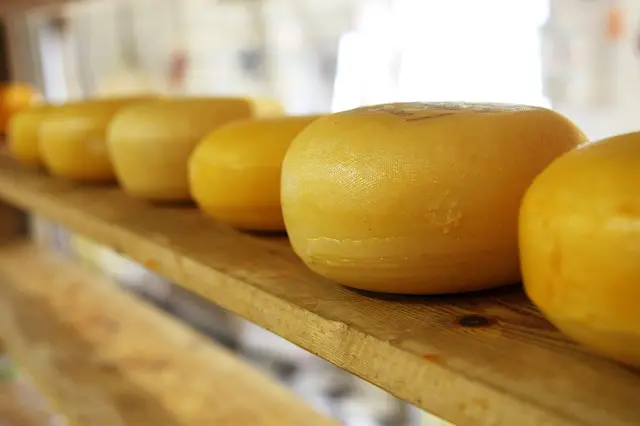
Small-batch cheese and yoghurt maker
Buy in local milk and make cheese, yoghurt or butter in a small rented unit for delis and markets.
- £15k-60k
- Part-time
- Own premises

Local frozen food shop
Open a small high street shop selling frozen meals, ingredients and desserts to local households.
- £15k-60k
- Full-time
- Own premises
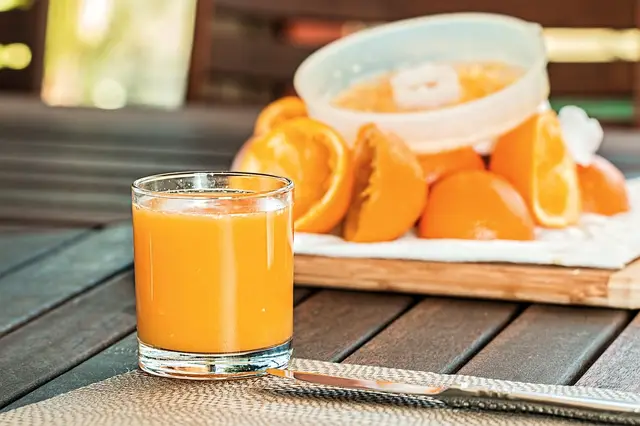
Juice and smoothie bar
Run a small shop serving fresh juices and smoothies made to order for locals, workers and gym-goers.
- £15k-60k
- Full-time
- Own premises
Russian and Eastern European grocery shop
Open a small shop selling Russian and Eastern European foods, drinks and treats to local shoppers.
- £15k-60k
- Full-time
- Own premises

Niche wine importer using a bonded warehouse
Bring in wines from a region you know well and sell them to independent restaurants, bars and shops.
- £15k-60k
- Part-time
- From home
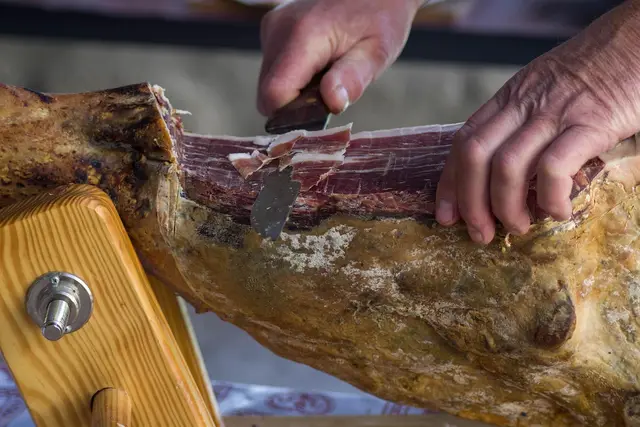
Cured ham and charcuterie shop
Run a small high street shop selling whole and sliced cured hams, salamis and matching extras to local food lovers.
- £15k-60k
- Full-time
- Own premises