Indoor recirculating tank fish farm
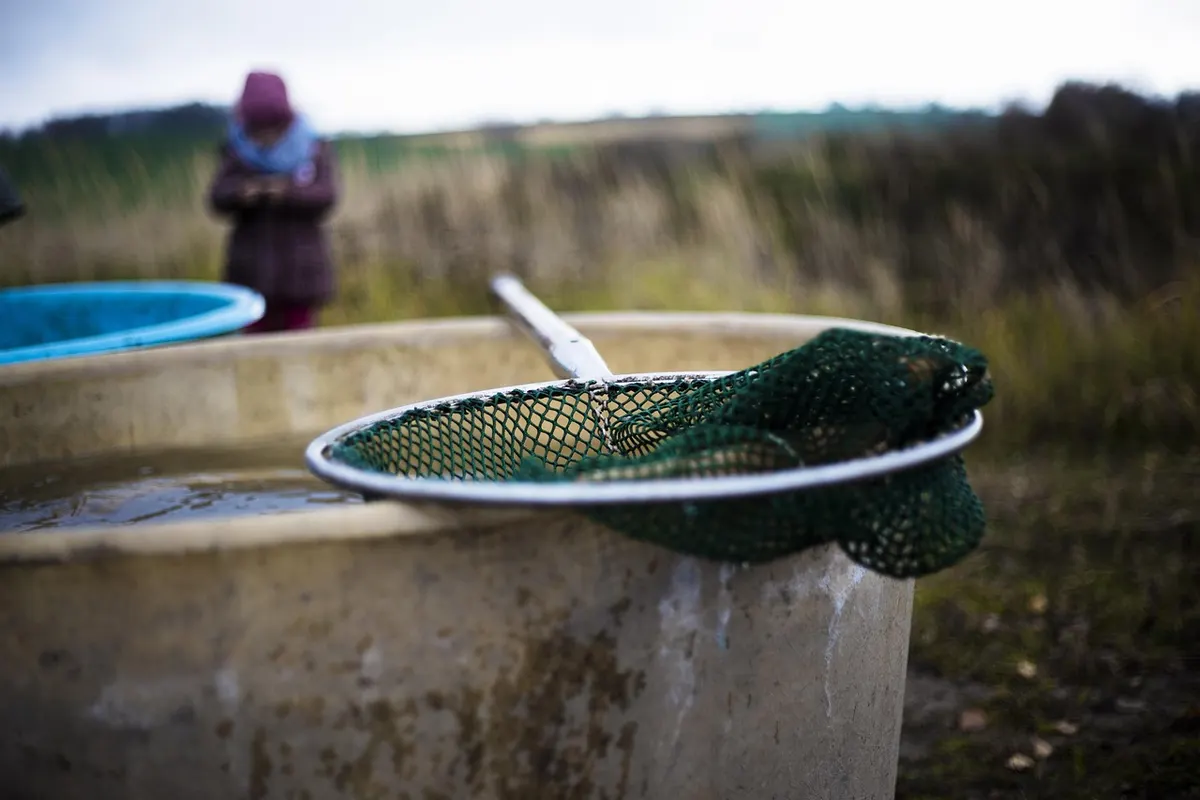
Grow fish in tanks inside a shed or unit with filtered, recycled water, and sell fresh to local buyers.
- £40k-150k
- Part-time
- Own premises
- Licence or permit needed
Estimates for a small start in the UK, not guarantees.
Official data
354 UK companies in this field, 20% registered in the last 2 years
SIC 03220 “Freshwater aquaculture”. Source: Companies House, November 2026.
What it is
A small recirculating aquaculture system in an outbuilding or rented unit. Water is filtered and reused, so you need less land and can control temperature and conditions.
Your first three steps
- Take a short aquaculture or recirculating systems course, or spend time on an existing small system
- Cost a pilot setup, including tanks, filtration, electricity, backup power and water testing kit
- Speak to the fish health authority and your council about authorisation and planning before you buy equipment
Who pays
Local restaurants, independent fishmongers, farm shops and households buying direct, often paying extra for fresh, local fish.
How it makes money
Sales per kilo of fish once they reach harvest size. Income starts only after the first batch has grown, so cash flow needs planning.
Skills that help
- Technical know-how with pumps and filters
- Careful daily monitoring
- Building relationships with local buyers
Watch out for
- Aquaculture businesses generally need registration or authorisation with the fish health authority, check what applies in your part of the UK
- Energy costs and power cuts can be a serious risk, so budget for backup
- Discharge of waste water may need permission, check with the environment regulator
- Planning permission or business rates may apply to a unit or converted outbuilding, check with your council
- Food business registration with your local council is usually needed if you sell fish for eating
- Stock losses from disease or equipment failure, so think about insurance and starting small
- Fit-out costs for tanks, filtration, building work, electrics and backup power can be high, so get several quotes before committing
Deep research report · UK
Everything you need to start: indoor recirculating tank fish farm
Researched with live web search for United Kingdom: real startup prices, the licences and rules, what others charge, a break-even example, how to find your first customers and a 30-day launch plan. With sources.
- Startup costs with real prices
- Licences, registration and rules
- Pricing: what others charge
- Break-even example
- Finding your first customers
- 30-day launch plan
- Risks and how to reduce them
Questions people ask
How much does it cost to start an indoor fish farm in the UK?
Estimates suggest startup costs typically around £40,000 to £150,000, depending on tanks, filtration, building work, electrics and backup power. Fit-out costs can be high, so get several quotes before committing.
How much can an indoor tank fish farm earn?
Monthly revenue is typically estimated at around £800 to £4,000, depending on how much fish you sell and to whom. Local restaurants, fishmongers, farm shops and direct customers may pay extra for fresh, local fish.
Do I need permission to run an indoor fish farm in the UK?
Things to check include registration or authorisation with the fish health authority in your part of the UK, permission for waste water discharge from the environment regulator, planning permission or business rates from your council, and food business registration with your local council.
Other ways to run this business

Similar farming and garden ideas
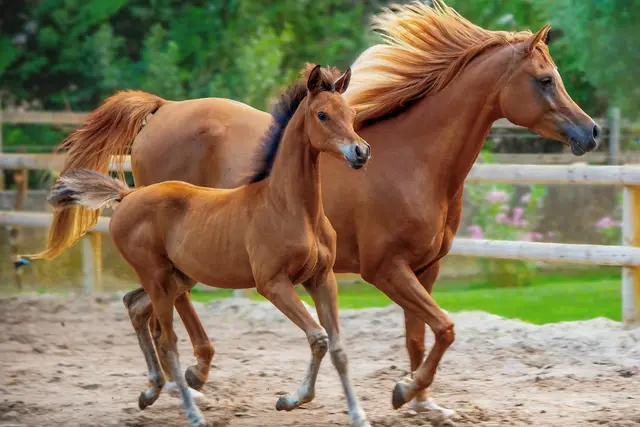
Full-time stud breeding and producing youngsters
Run a small stud with several mares, raise and start youngsters, and sell them on to riders.
- £30k-150k
- Full-time
- Own premises

Arable farm on rented land using contractors
Rent or contract-farm fields, grow cereals or oilseeds, and hire contractors for heavy jobs rather than buying machinery.
- £30k-150k
- Full-time
- Own premises

Small-scale turf grower and supplier
Grow, harvest and sell your own turf from rented or owned land to local landscapers and homeowners.
- £25k-120k
- Full-time
- Own premises
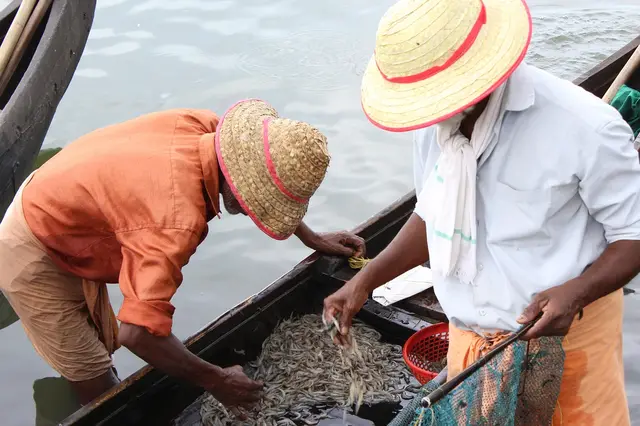
Small inshore prawn boat
Run a small licensed boat catching prawns in local waters and sell to merchants, markets or restaurants.
- £20k-100k
- Part-time
- Out and about
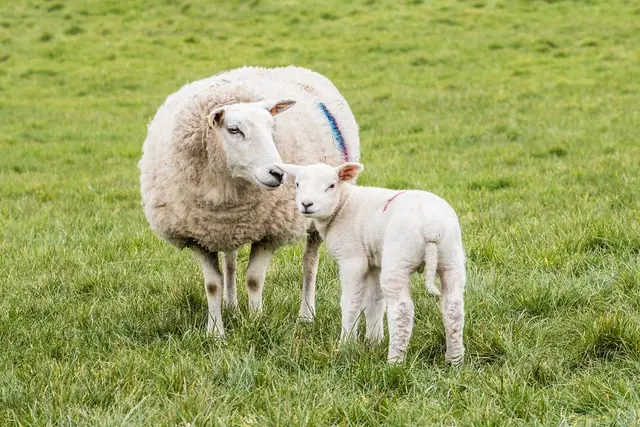
Full-time small farm selling beef, lamb or pork direct
Run a small grass-fed herd or flock as your main job and sell direct to customers rather than through the wholesale market.
- £20k-100k
- Full-time
- Own premises

Local farm inputs store
Run a small rural unit stocking fertiliser and crop protection for nearby farms and growers.
- £25k-100k
- Full-time
- Own premises
Photo: fjord77 on Pixabay