Indoor vintage and craft market with rented stalls
Lease a unit and split it into stalls or booths that sellers rent weekly or monthly, open to shoppers every week.

- £15k-60k
- Part-time
- Own premises
Estimates for a small start in the UK, not guarantees.
Official data
459,005 UK companies in this field, 26% registered in the last 2 years
SIC 68209 “Other letting and operating of own or leased real estate”. Source: Companies House, November 2026.
What it is
You lease a shop, warehouse or similar space and divide it into stalls, cabinets or booths. Sellers rent them to sell second-hand, vintage and handmade goods while you run the building, promote it and keep it open.
Your first three steps
- Look at empty units in busy towns or near popular shopping spots, and work out how many stalls fit and what rent you would need to charge to cover the costs
- Talk to local car boot sellers, vintage dealers and crafters to see how many would commit to a stall, and ask for early sign-ups
- Get advice on lease terms, business rates, insurance and fire safety before you sign, then plan a launch day
Who pays
Sellers pay weekly or monthly rent for their space. Shoppers browse for free, and a cafe corner can add extra income.
How it makes money
Stall rents from many sellers cover the lease and bills, and the rest is yours. Some markets also take a small commission on sales or run a cafe corner.
Skills that help
- Organising and managing people
- Basic bookkeeping
- Marketing a venue locally and online
- Handling disputes between sellers fairly
Watch out for
- Lease commitments, which can be long, so check break clauses and get advice before signing
- Upfront costs such as the rent deposit, legal fees, fit-out, shelving, stall units, lighting and signage can add up, so get quotes before committing
- Planning use class, business rates and landlord permission for a market use
- Public liability insurance, plus buildings or contents cover if the lease requires it
- Fire safety risk assessment, exits and maximum occupancy
- Empty stalls mean you still pay the rent, so build a waiting list before opening
- Check sellers' goods are legal and genuine, and that food sellers are registered with the council
- Employer's liability insurance if you hire staff
Deep research report · UK
Everything you need to start: indoor vintage and craft market with rented stalls
Researched with live web search for United Kingdom: real startup prices, the licences and rules, what others charge, a break-even example, how to find your first customers and a 30-day launch plan. With sources.
- Startup costs with real prices
- Licences, registration and rules
- Pricing: what others charge
- Break-even example
- Finding your first customers
- 30-day launch plan
- Risks and how to reduce them
Questions people ask
How much does it cost to open an indoor vintage market?
Estimates suggest startup costs typically around £15,000 to £60,000, depending on the rent deposit, legal fees, fit-out, shelving, stall units, lighting and signage. Get quotes before committing, as these costs can add up quickly.
How much can an indoor market with rented stalls earn?
Monthly revenue is typically estimated at around £2,000 to £8,000, depending on how many stalls you fill. Sellers pay weekly or monthly rent for their space, and a cafe corner can add extra income.
What should I check before leasing a unit for a market?
Things to check include lease terms and break clauses, planning use class, business rates and landlord permission for market use. Also check public liability insurance, fire safety risk assessment, exits and maximum occupancy before you open.
Other ways to run this business
Similar retail ideas
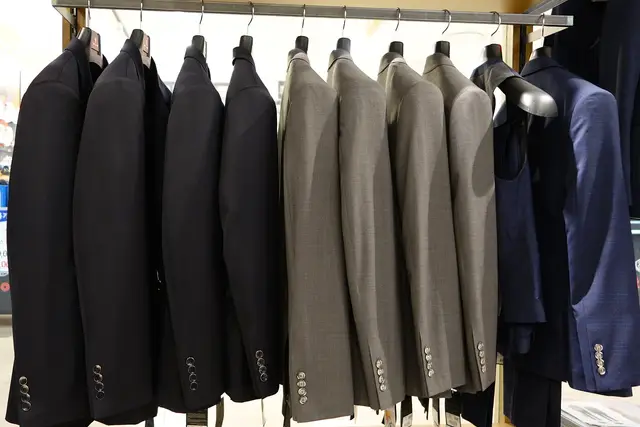
Independent menswear shop
Open a small local shop selling shirts, trousers and suits, with fitting advice customers can't get online.
- £15k-60k
- Full-time
- Own premises
Local Judaica shop
Open a small shop near a Jewish community selling ritual items, books and gifts, with advice and personal service.
- £15k-60k
- Full-time
- Own premises

Computer parts distributor from a small unit
Hold stock of components and systems in a small unit and supply local resellers and repair shops quickly.
- £15k-60k
- Full-time
- Own premises

Local stationery and office supplies shop
Run a small high street shop selling stationery, paper and office basics to nearby businesses, schools and households.
- £15k-60k
- Full-time
- Own premises
Handmade wooden furniture showroom
Open a small shop showing solid wood, traditional-style furniture made by local craftspeople, with made-to-order options.
- £15k-60k
- Full-time
- Own premises

Motorcycle parts and gear shop
Open a small local shop selling parts, accessories and riding gear to riders and workshops.
- £15k-60k
- Full-time
- Own premises