Monthly flea and craft market in a hired hall
Hire a local hall once a month and rent tables to sellers of vintage, second-hand and handmade goods.

- £300-1.5k
- Side hustle
- Out and about
Estimates for a small start in the UK, not guarantees.
Official data
459,005 UK companies in this field, 26% registered in the last 2 years
SIC 68209 “Other letting and operating of own or leased real estate”. Source: Companies House, November 2026.
What it is
You organise a regular market in a village hall, church hall, community centre or similar venue. You find the sellers, lay out the stalls, promote the day and welcome shoppers, then pack down at the end.
Your first three steps
- Visit similar markets nearby, note their stall prices and what is missing locally, then shortlist two or three halls and ask about dates and hire costs
- Get quotes for public liability insurance that covers running a market, then set your stall fee and a simple set of seller rules
- Recruit your first 10 to 15 sellers through local Facebook groups and craft or vintage communities, and start promoting the first date
Who pays
Sellers pay you for a table or stall space. Shoppers usually pay a small entry fee or get in free.
How it makes money
Stall fees per event, minus hall hire, insurance and advertising. Some organisers add a small door charge or a tea and cake stand run by a local group.
Skills that help
- Organising and planning
- Friendly with sellers and shoppers
- Promoting events on social media and locally
- Calm when things go wrong on the day
Watch out for
- Public liability insurance for the event, and check what the hall's own insurance does and does not cover
- Hall hire terms such as deposits, cancellation, fire exits and maximum numbers
- Sellers of food and drink need to be registered with their local council, so ask for proof
- Check sellers are not selling fake or unsafe goods, and consider asking Trading Standards for guidance
- Weak turnout early on can mean you still have to pay the hall, so start with a smaller venue
- Register as a sole trader with HMRC once you start earning
Deep research report · UK
Everything you need to start: monthly flea and craft market in a hired hall
Researched with live web search for United Kingdom: real startup prices, the licences and rules, what others charge, a break-even example, how to find your first customers and a 30-day launch plan. With sources.
- Startup costs with real prices
- Licences, registration and rules
- Pricing: what others charge
- Break-even example
- Finding your first customers
- 30-day launch plan
- Risks and how to reduce them
Questions people ask
How much does it cost to start a flea market in a hired hall?
Startup costs are typically estimated at around £300 to £1,500, depending on the hall and how you set up. Starting with a smaller venue can limit the risk if early turnout is weak, as you may still have to pay the hall.
How much can a monthly flea and craft market earn?
Monthly revenue is typically estimated at around £300 to £1,500, depending on turnout and how many tables you let. Sellers pay you for table or stall space, and shoppers may pay a small entry fee or get in free.
What rules and insurance should I check before running a market?
Things to check include public liability insurance for the event, the hall's own insurance and hire terms such as deposits, cancellation, fire exits and maximum numbers. Food and drink sellers need to be registered with their local council, so ask for proof.
Other ways to run this business
Similar retail ideas

Online second-hand CD seller
Buy used CD collections and sell the discs through online marketplaces and your own web shop.
- £200-1.5k
- Side hustle
- Online

Online bangle and jewellery shop
Sell bangles and matching jewellery online for weddings, festivals and gifts, packed and posted from home.
- £300-1.5k
- Side hustle
- From home
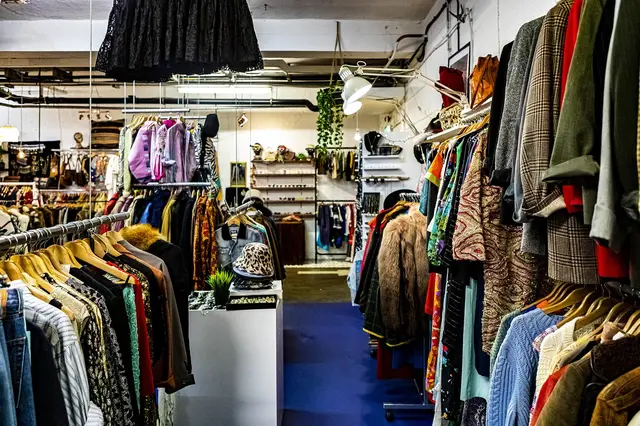
Online vintage clothes shop
Source, photograph and sell curated vintage clothing through your own site or online marketplaces.
- £200-1.5k
- Side hustle
- Online

Online secondhand bookseller
Source secondhand books and sell them online from home through marketplaces and your own simple shop.
- £200-1.5k
- Side hustle
- Online

Online software and licence shop
Sell software and licences online to a niche group, such as designers, students or small firms.
- £300-1.5k
- Side hustle
- Online

Salvage and scrap reseller
Buy salvage and second-hand goods cheaply, clean, repair and resell what you can online or at car boot sales, and sell the rest on as scrap.
- £300-1.5k
- Side hustle
- From home