Used and vintage clothing exporter
Collect and grade quality second-hand clothing from a small unit, then ship it in bales to overseas buyers.

- £5k-25k
- Part-time
- Own premises
Estimates for a small start in the UK, not guarantees.
Official data
15,000 UK companies in this field, 42% registered in the last 2 years
SIC 46420 “Wholesale of clothing and footwear”. Source: Companies House, November 2026.
What it is
You source used or vintage clothing from charities, clearance sellers or collection schemes. You sort and grade it from a rented unit, bale it and sell it to overseas wholesalers and market traders.
Your first three steps
- Visit a few established graders or wholesalers and ask suppliers what they sell and at what prices
- Get an EORI number, ask a freight forwarder for quotes, and get costs for a small unit or storage space
- Buy a small first batch, grade it, and offer sample bales to two or three overseas buyers
Who pays
Overseas wholesalers, vintage shops and market traders who buy graded clothing by the bale or pallet.
How it makes money
You buy mixed stock by weight, sort it into grades and sell by the bale. Higher grades and vintage pieces bring in a better price per kilo, and you add freight costs on top or build them into the price.
Skills that help
- Spotting quality, brands and vintage value
- Physical stamina for sorting and lifting
- Negotiating bulk deals
- Keeping accurate stock and shipping records
Watch out for
- Check whether your stock counts as waste. If you buy it as a product it may not, but if you collect or transport it as waste (for example from clothing banks or clearances) you may need to register as a waste carrier. Check with the Environment Agency in England, or SEPA, Natural Resources Wales or the NIEA, and with your local council
- Some countries restrict or ban imports of used clothing, so check the rules before you sell
- Contamination, damp or unsellable stock can wipe out your margin, so inspect before buying
- Public liability and goods-in-transit insurance
- Check planning and business rates for any unit, and fire safety for stored textiles
- Sorting and baling is heavy work, so plan for safe lifting and equipment
Deep research report · UK
Everything you need to start: used and vintage clothing exporter
Researched with live web search for United Kingdom: real startup prices, the licences and rules, what others charge, a break-even example, how to find your first customers and a 30-day launch plan. With sources.
- Startup costs with real prices
- Licences, registration and rules
- Pricing: what others charge
- Break-even example
- Finding your first customers
- 30-day launch plan
- Risks and how to reduce them
Questions people ask
How much does it cost to start a used clothing export business?
Startup costs are typically around £5,000 to £25,000, depending on your unit, stock and baling equipment. These are estimates only. Inspect stock before buying, as contaminated, damp or unsellable clothing can wipe out your margin.
How much can a used clothing exporter earn?
Monthly revenue is typically around £3,000 to £15,000, depending on the quality and grades you sell and your overseas buyers. These are estimates, not guarantees, and revenue is not profit after stock, unit and shipping costs.
What rules should I check before exporting used clothing?
Check whether your stock counts as waste, as collecting or transporting it as waste may mean registering as a waste carrier. Also check whether destination countries restrict used clothing imports, plus planning, business rates and fire safety for any unit.
Other ways to run this business
Similar making and manufacturing ideas

Small fabric exporter with your own stock
Buy fabric from UK mills, hold it in a small unit and sell smaller quantities to overseas designers and makers.
- £5k-25k
- Part-time
- Own premises
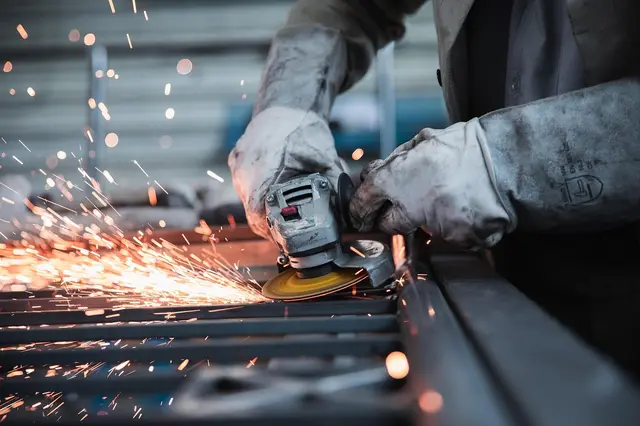
Small-unit metal fabrication workshop
Cut, bend and weld steel and aluminium into custom gates, frames, brackets and one-off parts for local customers.
- £5k-25k
- Full-time
- Own premises
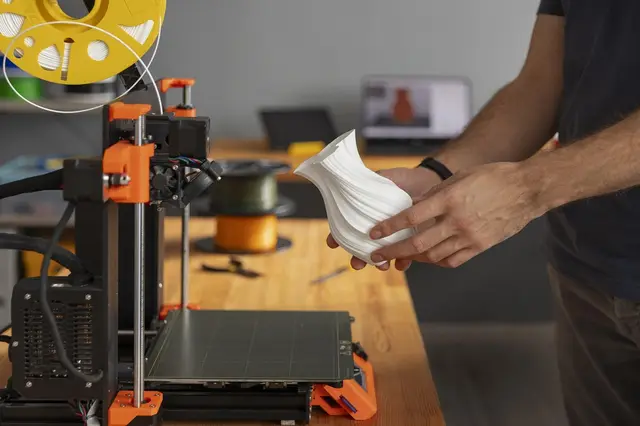
Small-unit 3D print farm for businesses
Run several printers in a small unit to make short production runs and prototypes for business customers.
- £5k-25k
- Part-time
- Own premises
Small metal fabrication workshop
Cut, bend and weld steel to order from a rented unit for trade and private customers.
- £5k-25k
- Full-time
- Own premises

Piano restoration workshop
Rebuild and restore tired pianos for families, schools and churches in a small rented workshop.
- £5k-25k
- Part-time
- Own premises

Ceramics studio supplying shops and cafés
Rent a small studio unit and make tableware in repeat batches for independent shops, galleries and cafés.
- £6k-25k
- Full-time
- Own premises