Small fabric exporter with your own stock
Buy fabric from UK mills, hold it in a small unit and sell smaller quantities to overseas designers and makers.

- £5k-25k
- Part-time
- Own premises
Estimates for a small start in the UK, not guarantees.
Official data
4,661 UK companies in this field, 32% registered in the last 2 years
SIC 46410 “Wholesale of textiles”. Source: Companies House, November 2026.
What it is
You buy rolls, ends or ranges of fabric from UK mills, store them in a small unit or rented space, and sell cut lengths or full rolls to buyers abroad. You handle packing, shipping and export documents yourself.
Your first three steps
- Pick a narrow range of fabrics and ask mills for trade prices, sample terms and minimum order quantities
- Find a small unit, storage space or part of a shared workspace, and price up cutting tables, packing materials and courier or freight rates
- Set up a simple online catalogue with sample swatches, and test it with a few overseas buyers before ordering stock in bulk
Who pays
Overseas independent designers, small clothing and homeware makers, interior businesses and shops that want smaller quantities than a mill will supply.
How it makes money
You sell at a mark-up on what you paid the mill, with the margin covering storage, shipping and paperwork costs.
Skills that help
- Knowing fabrics, weights and finishes
- Buying and stock control
- Packing and shipping
- Customer service across time zones
Watch out for
- Check whether you need an EORI number and how customs declarations and commodity codes work for textiles
- Check export VAT rules and keep the right shipping evidence
- Unsold stock ties up cash, so start with small orders
- Check duties, import rules and labelling requirements in each destination country
- Insurance for stock in storage and goods in transit, plus public liability cover
- Check the lease, business rates and whether the space can be used for storage and dispatch
Deep research report · UK
Everything you need to start: small fabric exporter with your own stock
Researched with live web search for United Kingdom: real startup prices, the licences and rules, what others charge, a break-even example, how to find your first customers and a 30-day launch plan. With sources.
- Startup costs with real prices
- Licences, registration and rules
- Pricing: what others charge
- Break-even example
- Finding your first customers
- 30-day launch plan
- Risks and how to reduce them
Questions people ask
How much does it cost to start a fabric exporting business?
Startup costs are typically around £5,000 to £25,000, depending on how much fabric you buy, your storage space and your packing and shipping setup. Unsold stock ties up cash, so start with small orders.
How much can a small fabric exporter earn?
Monthly revenue is typically around £2,000 to £10,000, depending on your range, prices and how many overseas buyers you reach. The estimate assumes about 20 hours a week or more, and it is revenue, not profit.
What rules should I check before exporting fabric?
Check whether you need an EORI number and how customs declarations and commodity codes work for textiles. Also check export VAT rules and shipping evidence, duties and labelling requirements in each destination country, your lease and business rates, and insurance for stock and goods in transit.
Other ways to run this business
Similar making and manufacturing ideas
Used and vintage clothing exporter
Collect and grade quality second-hand clothing from a small unit, then ship it in bales to overseas buyers.
- £5k-25k
- Part-time
- Own premises
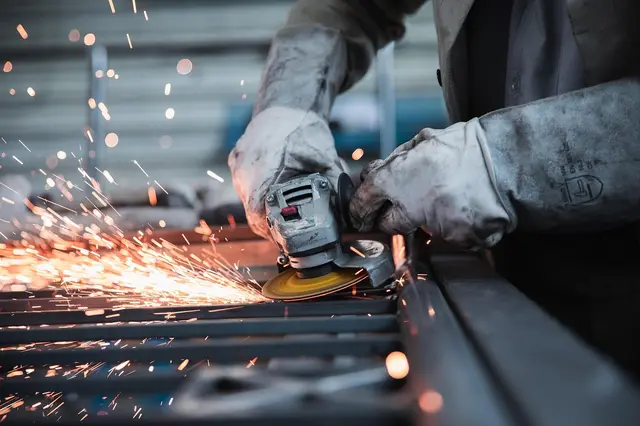
Small-unit metal fabrication workshop
Cut, bend and weld steel and aluminium into custom gates, frames, brackets and one-off parts for local customers.
- £5k-25k
- Full-time
- Own premises
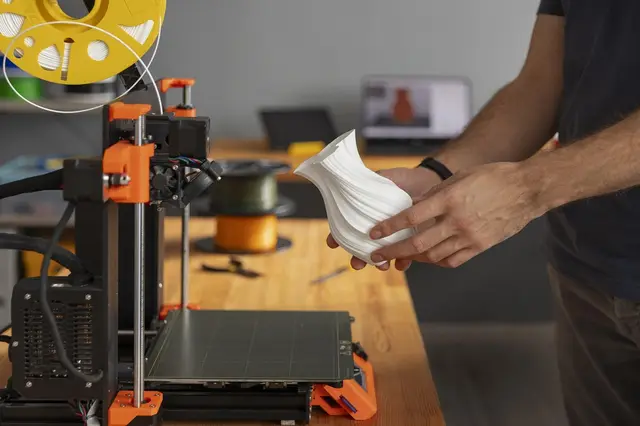
Small-unit 3D print farm for businesses
Run several printers in a small unit to make short production runs and prototypes for business customers.
- £5k-25k
- Part-time
- Own premises

Small metal fabrication workshop
Cut, bend and weld steel to order from a rented unit for trade and private customers.
- £5k-25k
- Full-time
- Own premises

Piano restoration workshop
Rebuild and restore tired pianos for families, schools and churches in a small rented workshop.
- £5k-25k
- Part-time
- Own premises
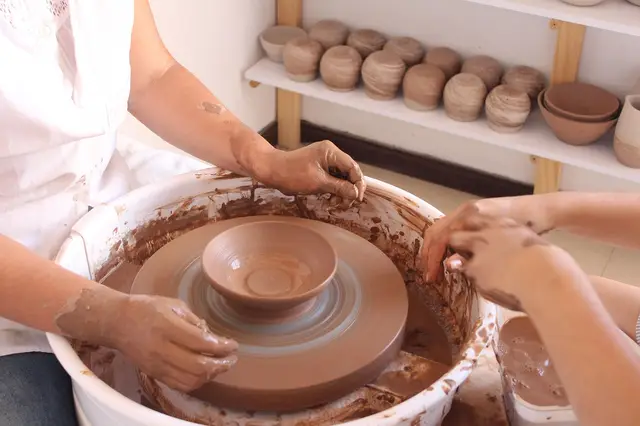
Ceramics studio supplying shops and cafés
Rent a small studio unit and make tableware in repeat batches for independent shops, galleries and cafés.
- £6k-25k
- Full-time
- Own premises