Local bottled gas and appliance shop
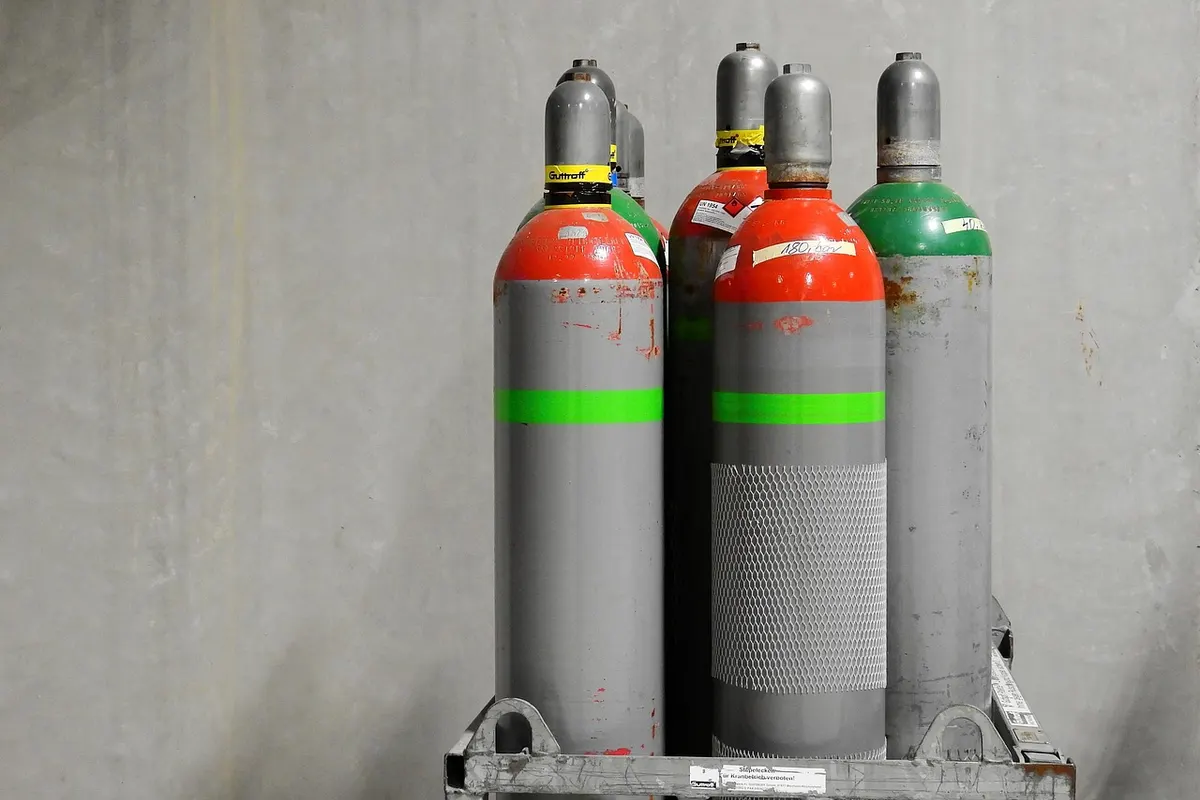
Run a small shop selling and exchanging gas cylinders, with heaters, hobs and caravan accessories.
- £5k-25k
- Full-time
- Own premises
Estimates for a small start in the UK, not guarantees.
What it is
A small unit or yard shop where customers swap empty gas cylinders for full ones and buy related items such as regulators, hoses, patio heaters, camping stoves and caravan fittings. Many shops act as a stockist for a national gas supplier.
Your first three steps
- Contact gas suppliers about becoming a stockist or dealer and ask what they need from your premises
- Find a unit or yard with safe, secure outdoor cylinder storage and check the planning use with your council
- Price up starter stock and a cylinder cage, and map out nearby caravan parks, campsites and rural households as customers
Who pays
Households off the mains gas network, caravan and campervan owners, campers, barbecue users, market traders and small businesses.
How it makes money
A margin on each cylinder sold or exchanged, plus profit on appliances, accessories and sometimes a small delivery charge.
Skills that help
- Customer service and product knowledge
- Safe handling of heavy cylinders
- Stock control and basic bookkeeping
Watch out for
- Check whether any licence, consent or notification applies to your premises and the quantity of LPG you plan to store. Small stockists often need no separate licence, but you must still do a risk assessment and follow storage rules. Confirm with your supplier, the local fire and rescue service, the council and the Health and Safety Executive
- Public liability and product liability insurance, and check your policy covers gas storage
- Supplier requirements, deposits and training for staff handling cylinders
- Selling gas appliances: check what safety information and installation advice you must give, as fitting usually needs a Gas Safe registered engineer
- Demand is seasonal, so plan cash flow for quieter months
Deep research report · UK
Everything you need to start: local bottled gas and appliance shop
Researched with live web search for United Kingdom: real startup prices, the licences and rules, what others charge, a break-even example, how to find your first customers and a 30-day launch plan. With sources.
- Startup costs with real prices
- Licences, registration and rules
- Pricing: what others charge
- Break-even example
- Finding your first customers
- 30-day launch plan
- Risks and how to reduce them
Questions people ask
How much does it cost to open a bottled gas shop?
Startup costs are typically around £5,000 to £25,000, depending on your premises and stock. These are estimates. Also check that your insurance covers gas storage and what deposits or training your supplier requires.
How much can a gas cylinder shop earn?
Monthly revenue is typically around £3,000 to £14,000, depending on your location and product range. This is an estimate. Demand is seasonal, so plan your cash flow for quieter months.
Do I need a licence to sell and store gas cylinders?
Check whether any licence, consent or notification applies to your premises and the quantity of LPG you plan to store. Do a risk assessment, follow storage rules, and confirm details with your supplier, the fire and rescue service, the council and the HSE.
Other ways to run this business
Similar retail ideas

Second-hand bookshop on the high street
Open a small shop selling pre-owned books and buying stock from local people.
- £5k-25k
- Full-time
- Own premises

Used and refurbished bakery equipment
Buy, refurbish and sell or hire second-hand ovens and mixers to bakeries on a tighter budget.
- £5k-25k
- Part-time
- Own premises

Consignment shop on your high street
Rent a small shop and sell other people's quality second-hand items, keeping a share of each sale.
- £5k-25k
- Full-time
- Own premises

Flag shop with a small unit
Open a local shop for flags, poles and bunting, serving walk-in and business customers.
- £5k-25k
- Full-time
- Own premises
Vintage clothes shop on the high street
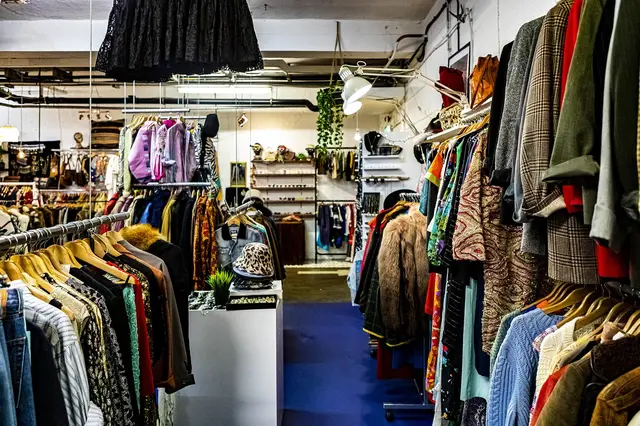
Open a small shop with a curated range of vintage clothing and accessories for local and passing trade.
- £5k-25k
- Full-time
- Own premises
Second-hand clothes shop
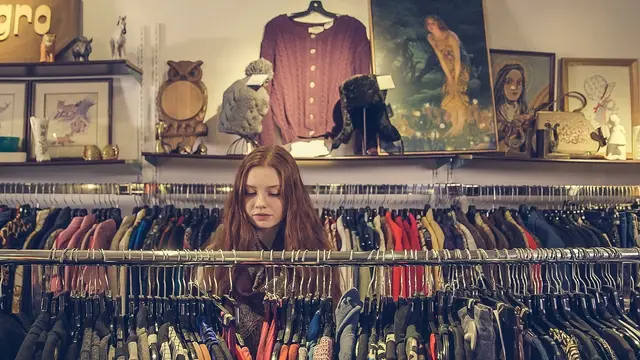
Open a small shop selling pre-owned everyday clothing to shoppers who want good value.
- £5k-25k
- Full-time
- Own premises
Photo: Bru-nO on Pixabay