Hand-Blown drinking glasses from a shared studio
Blow drinking glasses and carafes in a rented or shared hot glass studio and supply bars, restaurants and shops.

- £1k-5k
- Part-time
- Own premises
Estimates for a small start in the UK, not guarantees.
Official data
43 UK companies in this field, 5% registered in the last 2 years
SIC 23130 “Manufacture of hollow glass”. Source: Companies House, November 2026.
What it is
Making drinking glasses, jugs and bowls by glassblowing. Most newcomers rent bench time in a shared hot shop rather than build a furnace, which keeps start-up costs and risk lower while you build skills and orders.
Your first three steps
- Take glassblowing courses and ask local studios about bench rental or assistant work
- Develop a small range of drinking glasses you can make consistently, and cost out each piece including studio time, materials and energy
- Show samples to a few local bars, restaurants and independent shops and ask what volumes and prices would work for them
Who pays
Restaurants, bars and hotels wanting house glassware, independent homeware shops, galleries, and private customers buying sets or gifts.
How it makes money
Wholesale and trade orders for sets of glasses, plus higher-priced retail pieces and commissions. Repeatable designs that you can make quickly are key to profit.
Skills that help
- Glassblowing technique, usually learned through courses or an apprenticeship
- Making consistent, matching pieces
- Design sense
- Dealing with trade buyers and quoting for orders
Watch out for
- Hot glass is a serious burn and fire risk. Get proper training and make sure the studio's safety rules and insurance cover you
- Public liability and product liability insurance, and check whether the studio's policy covers your work
- Start-up costs assume renting bench time and buying hand tools, packaging and insurance. Taking your own unit and furnace would cost far more, and you would need to check planning use, gas and fuel safety, and business rates with your council
- Furnace and annealing energy costs can be high and change, so build them into pricing
- Glass for drinking must be suitable for food contact. Check any colourants or decoration before selling
- Building a skill level to produce matching sets can take time, so expect a slow start
Deep research report · UK
Everything you need to start: hand-blown drinking glasses from a shared studio
Researched with live web search for United Kingdom: real startup prices, the licences and rules, what others charge, a break-even example, how to find your first customers and a 30-day launch plan. With sources.
- Startup costs with real prices
- Licences, registration and rules
- Pricing: what others charge
- Break-even example
- Finding your first customers
- 30-day launch plan
- Risks and how to reduce them
Questions people ask
How much does it cost to start a hand-blown glassware business?
Startup costs are typically around £1,000 to £5,000, depending on bench time, hand tools, packaging and insurance. These assume renting studio time rather than building your own furnace, which would cost far more.
How much can you earn selling hand-blown glassware?
Monthly revenue is typically around £1,000 to £5,000, depending on how many matching pieces you make and your trade and private orders. These are estimates, and furnace energy costs can change, so build them into pricing.
What safety and rules should you check before blowing glass for sale?
Hot glass is a burn and fire risk, so check the studio's safety rules and that its insurance covers you. Check public and product liability cover, and whether colourants or decoration are suitable for food contact before selling drinking glasses.
Other ways to run this business
Similar making and manufacturing ideas

Online paper bag reseller
Buy paper bags in bulk from manufacturers and sell plain and printed ranges to small shops and cafes.
- £1k-5k
- Side hustle
- Online

Online trade supplier of niche plastic goods
Supply one narrow range of plastic items, such as bags or containers, to trade buyers from home, with small stock or supplier dispatch.
- £1k-5k
- Side hustle
- From home
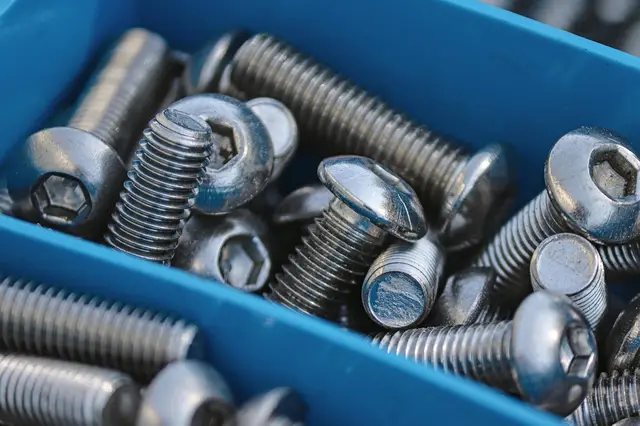
Online screw and fixings supplier
Sell screws and fixings in bulk boxes to builders and tradespeople online, shipped from a spare room or small store.
- £1k-5k
- Side hustle
- Online
Home-based digital print studio
Print flyers, cards, posters and stickers in small runs for local businesses and individuals from a spare room.
- £1k-5k
- Side hustle
- From home
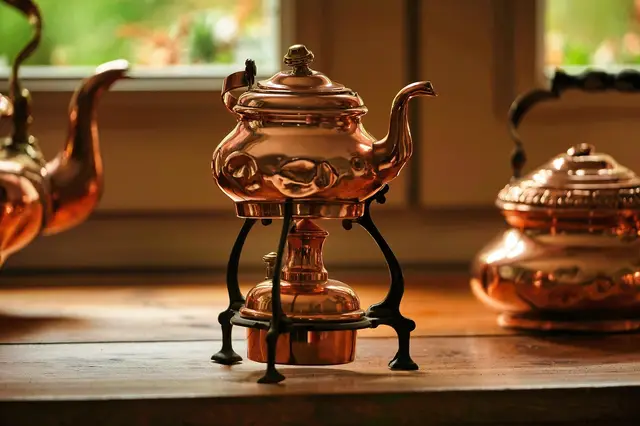
Handmade metalware from a home workshop
Make small metal kitchen and decorative items in a garage or shed and sell them online and at markets.
- £1k-5k
- Side hustle
- From home
Leather export agent
Connect UK tanneries with overseas bag, shoe and upholstery makers and earn commission on sales.
- £1k-5k
- Side hustle
- From home