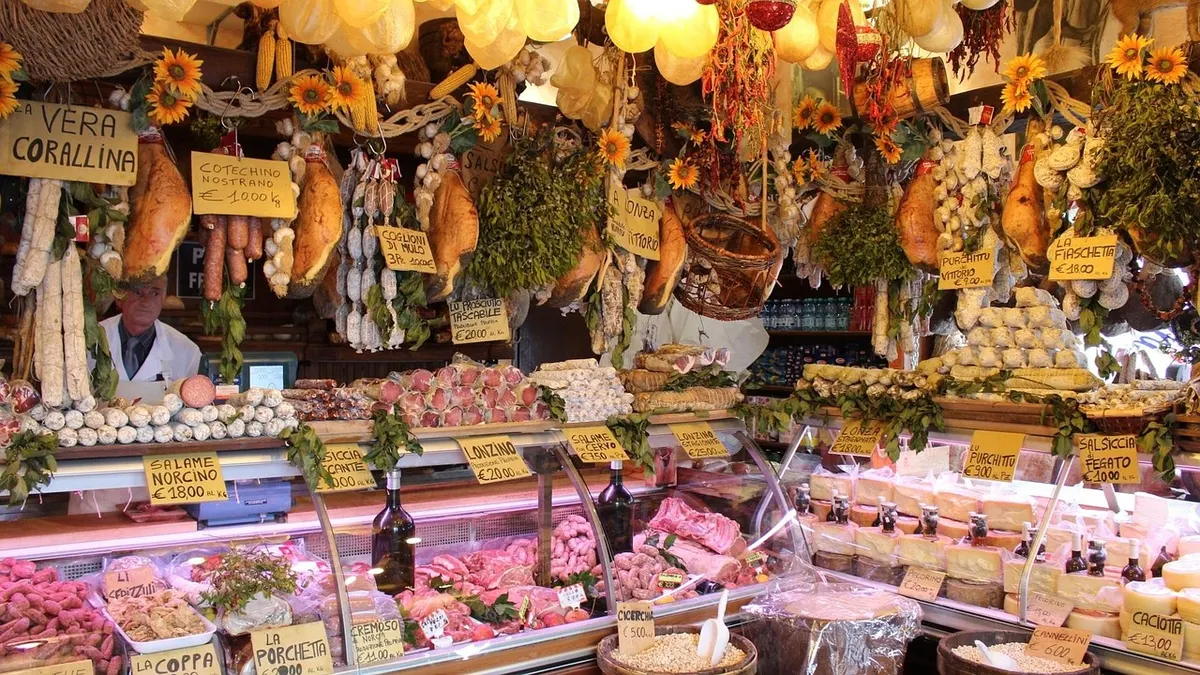
Gourmet delicatessen and grocery shop
Run a small shop selling cheese, charcuterie and specialist foods to local food lovers.
- £15k-60k
- Full-time
- Own premises
- Licence or permit needed
Estimates for a small start in the UK, not guarantees.
What it is
A small high street or village shop stocking premium and specialist foods such as cheese, cured meats, olive oils, preserves and imported goods, often with some local producers alongside.
Your first three steps
- Visit similar shops in nearby towns and note their stock, prices and what is missing in your area
- Contact specialist wholesalers and local producers for price lists and minimum orders
- Look at available shop units and work out rent, rates and the weekly sales you would need to cover them
Who pays
Food-focused local shoppers, people buying gifts and hampers, and nearby cafes or households wanting something better than the supermarket.
How it makes money
You buy from wholesalers and producers and sell at a markup. Extra income can come from gift boxes, sandwiches, cheese and charcuterie platters, and tastings.
Skills that help
- Good food knowledge and a keen palate
- Buying and stock control
- Friendly customer service
- Basic bookkeeping
Watch out for
- Register your food business with your local council before you open, usually at least 28 days ahead (check with your council)
- Food hygiene and allergen rules, including labelling for any food you pack yourself, plus a food safety plan
- Public liability insurance, stock insurance and employers' liability insurance if you hire staff
- Shop lease terms, business rates and any reliefs you may qualify for
- Fresh stock such as cheese and cured meats can spoil, so order carefully
- If you want to sell alcohol, you will need a premises licence and a personal licence holder (check with your council)
Deep research report · UK
Everything you need to start: gourmet delicatessen and grocery shop
Researched with live web search for United Kingdom: real startup prices, the licences and rules, what others charge, a break-even example, how to find your first customers and a 30-day launch plan. With sources.
- Startup costs with real prices
- Licences, registration and rules
- Pricing: what others charge
- Break-even example
- Finding your first customers
- 30-day launch plan
- Risks and how to reduce them
Questions people ask
How much does it cost to open a delicatessen in the UK?
Startup costs are typically estimated at around £15,000 to £60,000, depending on the premises, shop fit-out, initial stock and insurance. Check the lease terms, business rates and any reliefs you may qualify for.
How much can a gourmet grocery shop earn?
Monthly revenue is typically estimated at around £6,000 to £30,000, depending on location, range and footfall. That is revenue before stock, rent and staff, and fresh items such as cheese and cured meats can spoil if you over-order.
What licences or rules apply to a delicatessen?
Register your food business with your local council before you open, usually at least 28 days ahead, and check food hygiene and allergen rules. If you want to sell alcohol, you will need a premises licence and a personal licence holder, so check with your council.
Other ways to run this business

Gourmet food market stall
Sell cheese, charcuterie and specialist foods from a stall at local markets before taking a shop.
- £1.5k-7k
- Side hustle
- Out and about

Online gourmet food and hamper shop
Sell curated specialist foods, gift boxes and hampers online from home, with delivery by courier.
- £1.5k-8k
- Side hustle
- Online
Similar food ideas
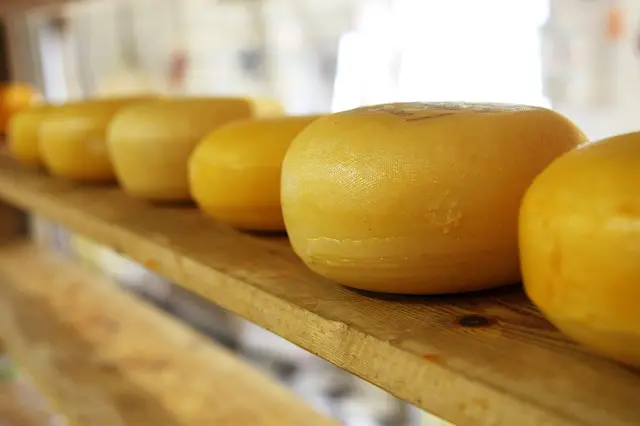
Small-batch cheese and yoghurt maker
Buy in local milk and make cheese, yoghurt or butter in a small rented unit for delis and markets.
- £15k-60k
- Part-time
- Own premises

Local frozen food shop
Open a small high street shop selling frozen meals, ingredients and desserts to local households.
- £15k-60k
- Full-time
- Own premises
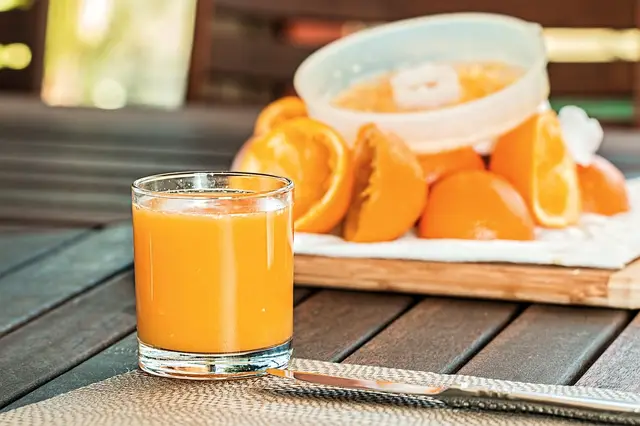
Juice and smoothie bar
Run a small shop serving fresh juices and smoothies made to order for locals, workers and gym-goers.
- £15k-60k
- Full-time
- Own premises
Russian and Eastern European grocery shop
Open a small shop selling Russian and Eastern European foods, drinks and treats to local shoppers.
- £15k-60k
- Full-time
- Own premises
Niche wine importer using a bonded warehouse
Bring in wines from a region you know well and sell them to independent restaurants, bars and shops.
- £15k-60k
- Part-time
- From home
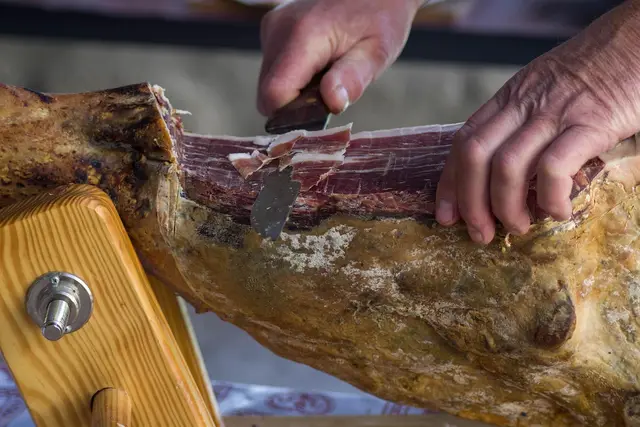
Cured ham and charcuterie shop
Run a small high street shop selling whole and sliced cured hams, salamis and matching extras to local food lovers.
- £15k-60k
- Full-time
- Own premises
Photo: GBSurf on Pixabay