Neighbourhood grocery shop
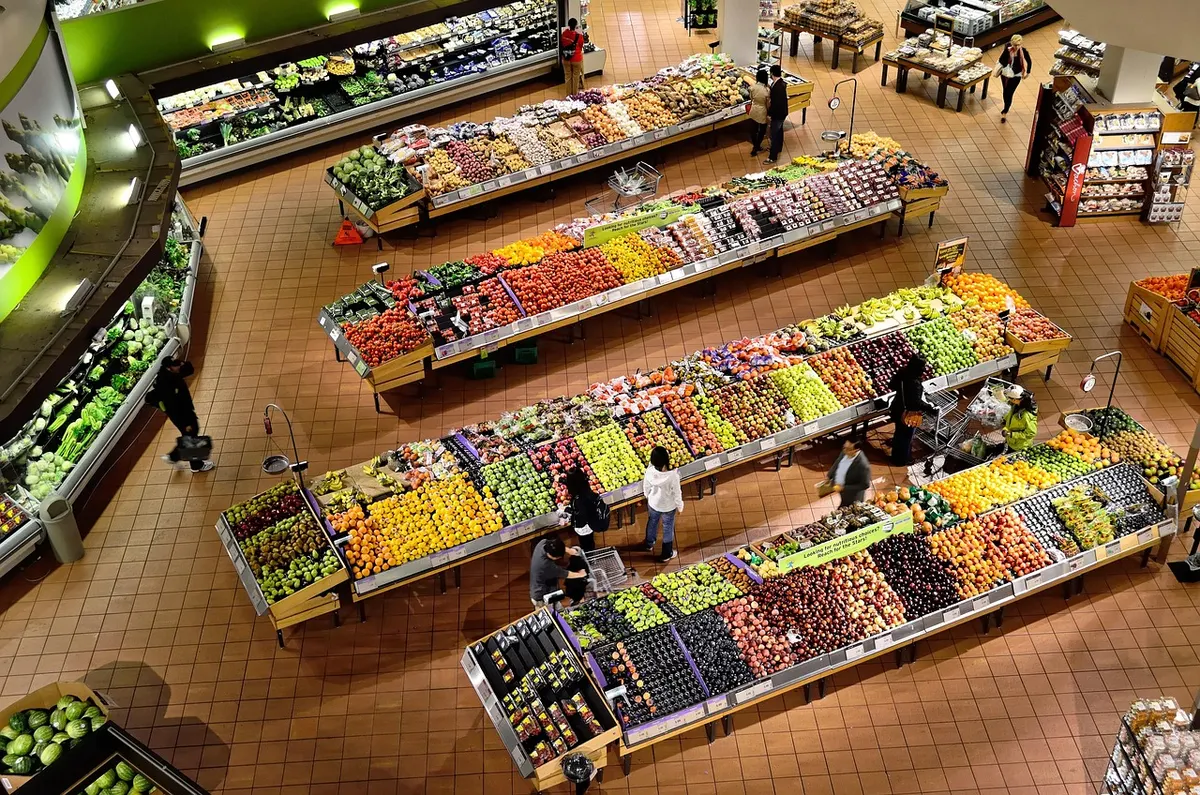
Run a small local shop selling everyday food, drinks and household basics to people living nearby.
- £15k-75k
- Full-time
- Own premises
- Licence or permit needed
Estimates for a small start in the UK, not guarantees.
Official data
34,633 UK companies in this field, 36% registered in the last 2 years
SIC 47110 “Retail sale in non-specialised stores with food, beverages or tobacco predominating”. Source: Companies House, November 2026.
What it is
A small shop on a local high street or estate stocking everyday essentials such as bread, milk, fresh produce, tinned food, drinks and cleaning items. You choose the range to suit the area, for example more fresh food or more international lines.
Your first three steps
- Walk the areas you are considering at different times of day and check what nearby shops already sell
- Open a trade account with a cash and carry or wholesaler and price a realistic opening range of stock
- Draw up a simple budget covering rent, deposit, shopfitting and stock, then view available small units or existing shops for sale
Who pays
Local residents, older people who prefer a short walk, workers popping in for lunch or a top-up shop, and people shopping outside supermarket hours.
How it makes money
You buy stock from wholesalers or suppliers and sell at a mark-up. Profit depends on a good location, tight control of waste and a steady mix of everyday items and higher-margin extras like snacks and drinks.
Skills that help
- Customer service
- Stock ordering and cash handling
- Negotiating with suppliers
- Long, regular working hours
Watch out for
- You will need to register as a food business with your local council, usually at least 28 days before you start trading. This is a registration rather than a licence, and you should also check the hygiene rules for what you sell
- A licence is only needed for certain products. If you plan to sell alcohol, check with your council about the premises licence and the personal licence held by your designated premises supervisor (rules differ in Scotland and Northern Ireland)
- If you plan to sell tobacco or vaping products, check the age-check, display and any retailer registration rules that apply in your part of the UK
- Public liability insurance, plus employer's liability once you hire staff, and cover for stock and theft
- Margins can be thin and fresh food can go to waste, so check your numbers before signing a lease
- Check planning use class for the premises, and the terms of any lease, business rates and any reliefs you may qualify for
- Long opening hours can be tiring if you are covering the shop alone
Deep research report · UK
Everything you need to start: neighbourhood grocery shop
Researched with live web search for United Kingdom: real startup prices, the licences and rules, what others charge, a break-even example, how to find your first customers and a 30-day launch plan. With sources.
- Startup costs with real prices
- Licences, registration and rules
- Pricing: what others charge
- Break-even example
- Finding your first customers
- 30-day launch plan
- Risks and how to reduce them
Questions people ask
How much does it cost to open a neighbourhood grocery shop?
Startup costs are typically around £15,000 to £75,000, depending on your premises, fit-out and opening stock. These are estimates. Margins can be thin and fresh food can go to waste, so check your numbers before signing a lease.
How much can a small grocery shop earn?
Monthly revenue is typically around £10,000 to £50,000, depending on your location, opening hours and product range. That is revenue, not profit. Long opening hours can be tiring if you are covering the shop alone.
Do I need a licence to open a grocery shop?
Check that you register as a food business with your local council, usually at least 28 days before trading. This is a registration rather than a licence. If you plan to sell alcohol or tobacco, check the premises licence, age-check and retailer rules for your part of the UK.
Similar food ideas
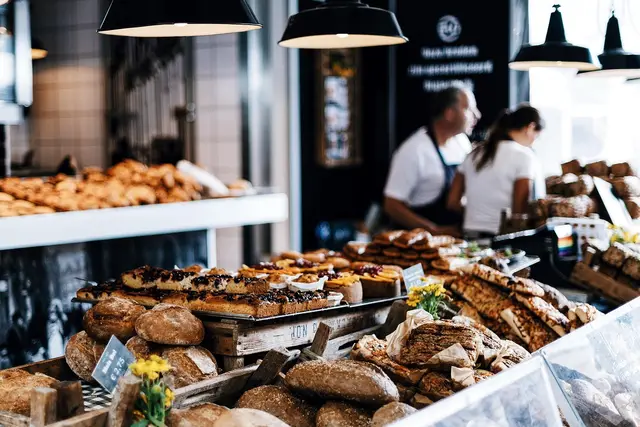
Neighbourhood bakery shop
Open a small shop baking bread, pastries and cakes fresh each day for people on your local high street.
- £15k-75k
- Full-time
- Own premises

Sri Lankan takeaway shop
Open a small takeaway unit serving kottu, hoppers and curries to your local area.
- £15k-75k
- Full-time
- Own premises

Nigerian restaurant or takeaway shop
Open a small eat-in and takeaway spot serving jollof, suya, pepper soup and more to your local community.
- £15k-75k
- Full-time
- Own premises

Small-batch sake brewery in a rented unit
Brew sake in small batches from a rented unit and sell to bars, restaurants, shops and online.
- £20k-80k
- Part-time
- Own premises
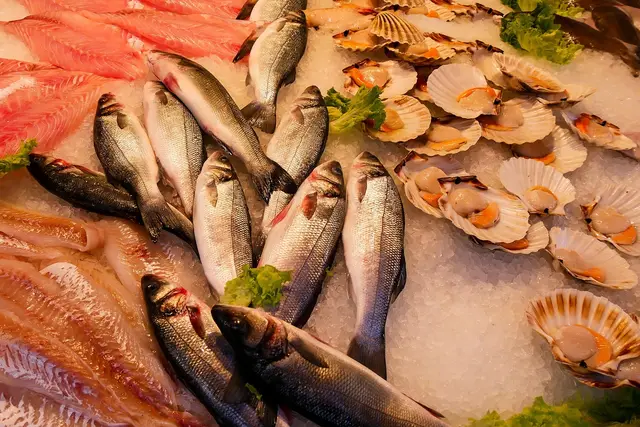
Independent fishmonger shop
Open a small fish shop serving home cooks and supplying local restaurants and caterers.
- £20k-80k
- Full-time
- Own premises
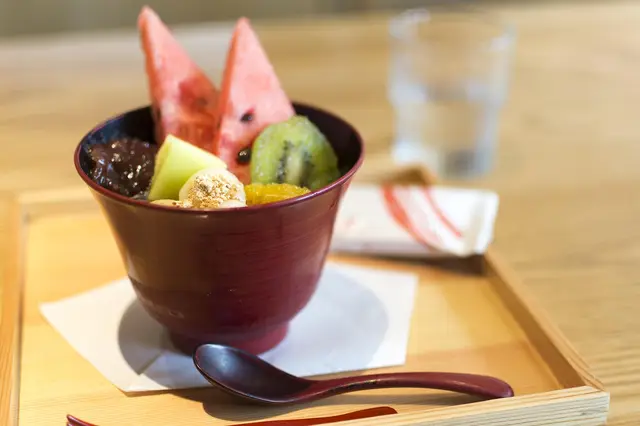
Japanese sweets and tea café
Run a small café serving wagashi, mochi, dorayaki and matcha drinks to locals and dessert fans.
- £15k-70k
- Full-time
- Own premises
Photo: ElasticComputeFarm on Pixabay