Nigerian restaurant or takeaway shop
Open a small eat-in and takeaway spot serving jollof, suya, pepper soup and more to your local community.

- £15k-75k
- Full-time
- Own premises
- Licence or permit needed
Estimates for a small start in the UK, not guarantees.
Official data
144 active UK companies have “nigerian” in their name, 74% registered since 2024
Name search “company names containing “nigerian””. Source: Companies House, November 2026.
What it is
A small restaurant or takeaway unit with a full Nigerian menu, including jollof, pounded yam with soups, grilled fish, suya and drinks. It can also take delivery orders and catering bookings.
Your first three steps
- Write a business plan with a costed menu and check rents and footfall in two or three possible areas
- Check planning use class, lease terms and council requirements for the premises before signing anything
- Register your food business, arrange insurance and run a soft launch with friends and community groups
Who pays
Local Nigerian and West African communities, families, groups celebrating events, and diners looking for something new.
How it makes money
Dine-in and takeaway sales, delivery app orders, and catering for parties and events. Success depends on location, food cost control and steady repeat customers.
Skills that help
- Cooking and running a kitchen
- Managing costs, stock and staff
- Marketing to local and community audiences
Watch out for
- Food business registration with your council and a food hygiene rating inspection
- Planning permission or change of use for hot food, plus extraction and ventilation needs
- A premises licence if you plan to sell alcohol
- Public liability, employer's liability once you hire, and buildings or contents cover as needed
- High fixed costs such as rent, rates and staff wages, so test demand before committing
Deep research report · UK
Everything you need to start: nigerian restaurant or takeaway shop
Researched with live web search for United Kingdom: real startup prices, the licences and rules, what others charge, a break-even example, how to find your first customers and a 30-day launch plan. With sources.
- Startup costs with real prices
- Licences, registration and rules
- Pricing: what others charge
- Break-even example
- Finding your first customers
- 30-day launch plan
- Risks and how to reduce them
Other ways to run this business

Nigerian home-cooked takeaway
Cook jollof, suya and stews from a registered home kitchen for pre-orders, collection and local delivery.
- £500-3k
- Side hustle
- From home
Nigerian street food stall
Sell suya, jollof boxes and snacks at markets, festivals and events from a gazebo or small trailer.
- £2k-10k
- Side hustle
- Out and about
Similar food ideas
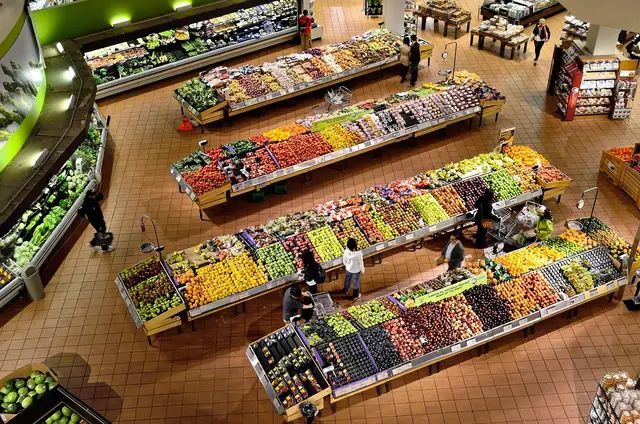
Neighbourhood grocery shop
Run a small local shop selling everyday food, drinks and household basics to people living nearby.
- £15k-75k
- Full-time
- Own premises
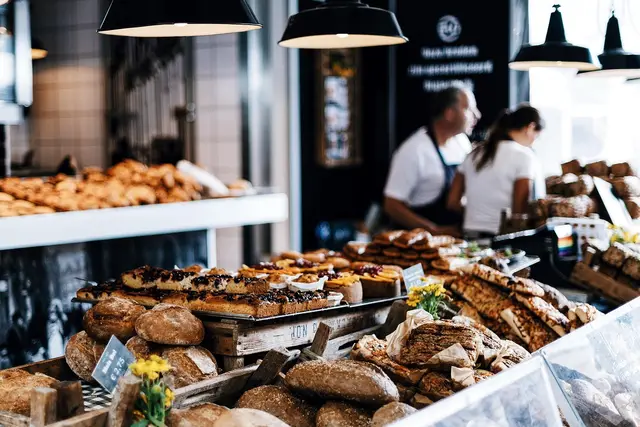
Neighbourhood bakery shop
Open a small shop baking bread, pastries and cakes fresh each day for people on your local high street.
- £15k-75k
- Full-time
- Own premises

Sri Lankan takeaway shop
Open a small takeaway unit serving kottu, hoppers and curries to your local area.
- £15k-75k
- Full-time
- Own premises
Small-batch sake brewery in a rented unit
Brew sake in small batches from a rented unit and sell to bars, restaurants, shops and online.
- £20k-80k
- Part-time
- Own premises
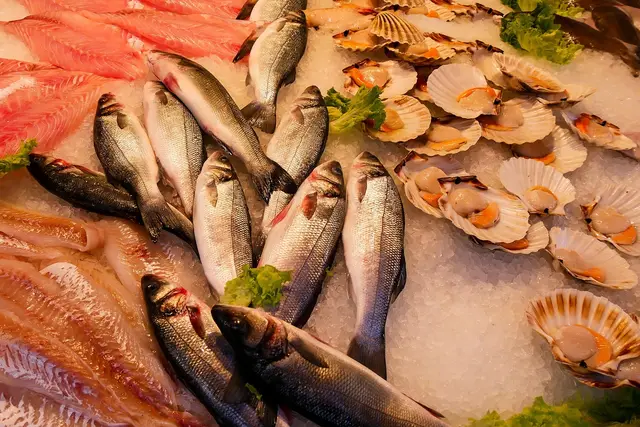
Independent fishmonger shop
Open a small fish shop serving home cooks and supplying local restaurants and caterers.
- £20k-80k
- Full-time
- Own premises
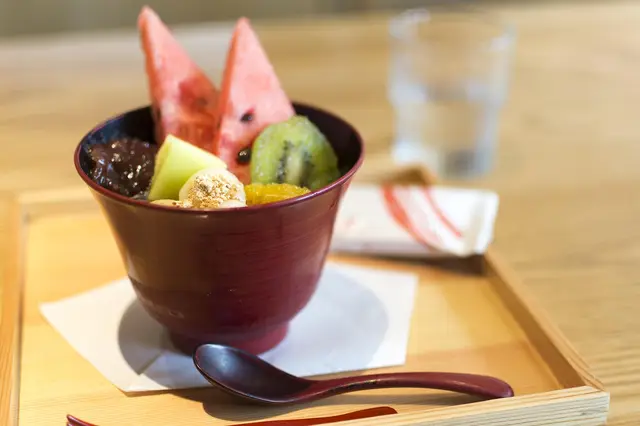
Japanese sweets and tea café
Run a small café serving wagashi, mochi, dorayaki and matcha drinks to locals and dessert fans.
- £15k-70k
- Full-time
- Own premises