Home-Based craft exporter for overseas shops
Gather work from UK makers and sell it wholesale to shops and online retailers abroad, working from your spare room.

- £500-2.5k
- Side hustle
- From home
Estimates for a small start in the UK, not guarantees.
Official data
6,931 UK companies in this field, 40% registered in the last 2 years
SIC 46499 “Wholesale of household goods (other than musical instruments) n.e.c.”. Source: Companies House, November 2026.
What it is
You choose a craft niche, such as ceramics, knitwear, candles or woodwork, and work with UK makers. You then sell their products wholesale to overseas shops and online retailers. Stock is kept small, or sent by the maker once an order is confirmed.
Your first three steps
- Pick one craft niche and one or two target countries, then research which overseas shops stock similar goods
- Agree wholesale prices and minimum order terms with three to five makers and get good photos and samples
- Contact 20 overseas shops or retailers with a short line sheet, and offer a small first order
Who pays
Independent gift shops, galleries, concept stores and online retailers abroad that want authentic British handmade goods.
How it makes money
You buy from makers at a wholesale price and sell to overseas buyers at a higher price, or take an agreed commission on each order. Your margin has to cover shipping, packaging and any fees.
Skills that help
- Spotting good products and a clear niche
- Building relationships with makers and buyers
- Careful organising and paperwork
- Writing clear product descriptions
Watch out for
- Check whether you need an EORI number and how customs declarations work for your goods and destination countries
- Check import duties, VAT and any labelling or product safety rules in the countries you sell to
- Some materials, such as ivory or certain woods and shells, have export restrictions, so check before you sell
- Agree payment terms carefully with overseas buyers, ideally payment upfront or a deposit for new customers
- Check you have insurance for goods in transit and public liability cover
- Check whether your landlord or mortgage lender allows you to run a business from home
Deep research report · UK
Everything you need to start: home-based craft exporter for overseas shops
Researched with live web search for United Kingdom: real startup prices, the licences and rules, what others charge, a break-even example, how to find your first customers and a 30-day launch plan. With sources.
- Startup costs with real prices
- Licences, registration and rules
- Pricing: what others charge
- Break-even example
- Finding your first customers
- 30-day launch plan
- Risks and how to reduce them
Questions people ask
How much does it cost to start a craft export business from home?
Startup costs are typically around £500 to £2,500, depending on how much stock you hold, the samples you send to buyers and your insurance. Keeping stock small, or having makers ship once an order is confirmed, helps limit what you spend upfront.
What export rules should I check before selling crafts overseas?
Check whether you need an EORI number and how customs declarations work for your goods and destinations. Also check import duties, VAT, labelling and product safety rules abroad, plus export restrictions on materials such as ivory or certain woods and shells.
How much revenue can a home-based craft exporter make?
Monthly revenue is typically around £400 to £2,000, depending on your niche, the makers you work with and the buyers you win. The estimate assumes at least about 8 hours a week. Agree payment terms carefully, ideally with a deposit from new customers.
Other ways to run this business
Similar creative ideas

Home taxidermy workshop
Mount game birds, fish and small animals for local shooters, anglers and collectors from a spare room or outbuilding.
- £500-2.5k
- Side hustle
- From home

Online music producer and mixer
Produce, mix and master tracks remotely for artists anywhere, sent as files.
- £300-2.5k
- Side hustle
- Online

Dance troupe for hire at events
Form a small troupe and sell ready-made dance acts to weddings, corporate events, festivals and venues.
- £500-2.5k
- Side hustle
- Out and about

Chamber orchestra for hire
Book a small group of skilled players for weddings, corporate events, church services and local festivals.
- £300-2.5k
- Side hustle
- Out and about

Online art gallery
Curate and sell original art from a website, earning commission without paying for a shop.
- £300-2.5k
- Side hustle
- Online
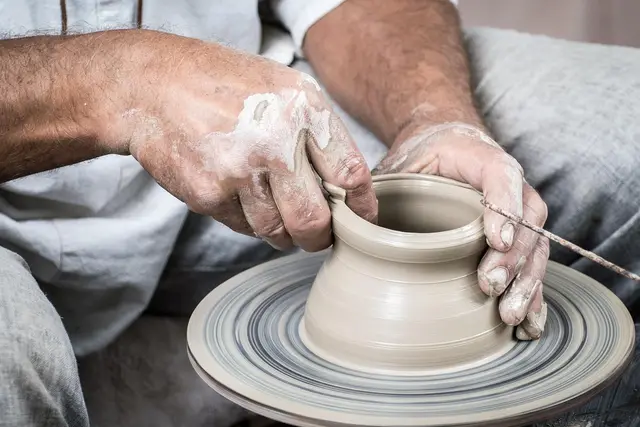
Mobile clay workshops for groups and schools
Bring clay and tools to schools, care homes and parties, and fire the pieces at home or a shared kiln.
- £500-2.5k
- Side hustle
- Out and about