Stocked craft exporter selling at trade fairs
Hold stock from a group of UK makers in a small unit and supply overseas importers and retailers, including through trade fairs.

- £5k-20k
- Full-time
- Own premises
Estimates for a small start in the UK, not guarantees.
Official data
6,931 UK companies in this field, 40% registered in the last 2 years
SIC 46499 “Wholesale of household goods (other than musical instruments) n.e.c.”. Source: Companies House, November 2026.
What it is
A fuller version of the business. You buy stock from several UK makers and keep it in a small unit or storage space. You pack and ship mixed orders to overseas importers, shops and online retailers, and attend trade fairs to find new buyers.
Your first three steps
- Build a range with a handful of reliable makers and agree supply terms, lead times and returns in writing
- Find affordable storage or a small unit and set up a simple stock and order tracking system
- Research trade fairs and online wholesale marketplaces in your target countries and plan one to attend or join
Who pays
Overseas importers, distributors, department and gift shops, and online retailers that want a ready range from one supplier.
How it makes money
You sell a curated range at wholesale prices above your buying cost. Repeat orders from importers and retailers bring steadier income than one-off sales.
Skills that help
- Buying and stock control
- Negotiating with makers and buyers
- Packing and shipping know-how
- Selling face to face at trade events
Watch out for
- Check customs rules, EORI registration, commodity codes and any export documents needed for each destination
- Check duties, VAT and product safety or labelling rules for the countries you sell to, as these can change
- Stock ties up cash, so avoid buying more than your confirmed orders justify
- Check you have insurance for stock, goods in transit and public liability, plus employer's liability if you hire help
- Check business rates, planning use and lease terms if you rent a unit
- Check the exchange rate risk and payment terms on overseas invoices
Deep research report · UK
Everything you need to start: stocked craft exporter selling at trade fairs
Researched with live web search for United Kingdom: real startup prices, the licences and rules, what others charge, a break-even example, how to find your first customers and a 30-day launch plan. With sources.
- Startup costs with real prices
- Licences, registration and rules
- Pricing: what others charge
- Break-even example
- Finding your first customers
- 30-day launch plan
- Risks and how to reduce them
Questions people ask
How much does it cost to start a stocked craft export business?
Startup costs are typically around £5,000 to £20,000, depending on how much stock you buy, the unit or storage space you rent, shipping supplies and trade fair costs. Avoid buying more stock than your confirmed orders justify, as it ties up cash.
What customs and export rules should I check?
Check customs rules, EORI registration, commodity codes and any export documents needed for each destination. Also check duties, VAT, and product safety or labelling rules in the countries you sell to, as these can change, and your insurance for stock and transit.
How much revenue can a stocked craft exporter make?
Monthly revenue is typically around £2,000 to £10,000, depending on your range, your buyers and how many orders you ship. The estimate assumes at least about 30 hours a week. Check exchange rate risk and payment terms on overseas invoices.
Other ways to run this business
Similar creative ideas

Home longarm quilting service
Machine-quilt finished quilt tops for local sewers and quilters from a spare room or garage.
- £4k-20k
- Side hustle
- From home

Full-time modelling agency with an office
Run a professional agency from a small office, with a larger roster, in-house test shoots and regular client work.
- £5k-20k
- Full-time
- Own premises
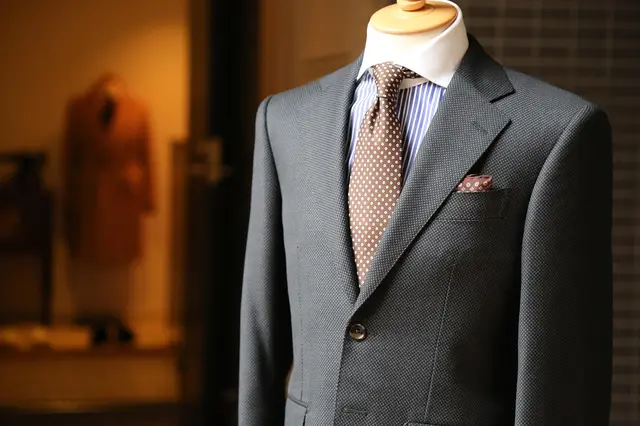
Bespoke suit tailor with a small studio
Make suits, jackets and trousers to measure for men from a small studio or unit.
- £4k-20k
- Full-time
- Own premises
Sewing school in a small rented studio
Run regular courses, workshops and parties from a rented studio with machines for every student.
- £5k-20k
- Part-time
- Own premises
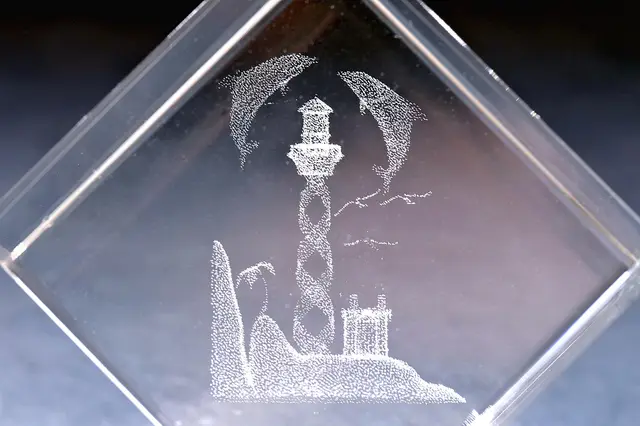
Etched glass for shops and businesses
Supply etched window frosting, door panels, signage and branded glassware to local trade customers.
- £4k-20k
- Full-time
- Own premises
Set design and build workshop
Design, build and install scenery and displays for theatres, events and exhibitions from a rented workshop unit.
- £4k-20k
- Full-time
- Own premises