Local heating oil delivery round
Deliver heating oil by small tanker to rural homes off the gas grid, building up regular customers in your area.
- £30k-90k
- Full-time
- Out and about
- Licence or permit needed
Estimates for a small start in the UK, not guarantees.
Official data
1,127 UK companies in this field, 20% registered in the last 2 years
SIC 46719 “Wholesale of other fuels and related products”. Source: Companies House, November 2026.
What it is
You buy heating oil (usually kerosene) from a wholesaler or depot and deliver it by tanker to household tanks in villages and farms without mains gas. Most small suppliers start with one second-hand tanker, a defined delivery area and a few hundred regular customers.
Your first three steps
- Price up a small used tanker and a supply deal by talking to two or three wholesalers or depots about volumes, credit terms and loading access
- Map your delivery area, check how many off-gas villages it includes and see what local suppliers charge
- Speak to a commercial insurer and the relevant bodies about the driver training, vehicle operator licensing and equipment checks you will need
Who pays
Rural homeowners, landlords, holiday-let owners and small rural businesses that heat with oil.
How it makes money
You earn a margin on each litre sold, so the more litres you deliver per drop and per mile, the better it works. Extras can include fixed-price plans, tank monitoring and sludge or tank-cleaning referrals.
Skills that help
- Safe, confident tanker driving
- Route planning and scheduling
- Managing cash flow and stock purchases
- Dealing with customers who need fuel urgently
Watch out for
- Carrying fuel by road may need ADR dangerous goods driver training and the right vehicle equipment, so check the current rules
- Vehicles over a certain weight may need a goods vehicle operator's licence, so check with the Traffic Commissioner
- Metering equipment is usually subject to Trading Standards weights and measures rules, so check what applies
- Check whether you need to register with HMRC for fuel duty or rebated fuel rules
- Spills are costly, so you need specialist motor and pollution/environmental liability insurance as well as public liability
- Prices swing and you carry the stock cost, so cash flow can be tight and demand peaks in winter
- Check your local council and the Environment Agency (or the equivalent body in Scotland, Wales or Northern Ireland) about where you can store fuel and park the tanker
Deep research report · UK
Everything you need to start: local heating oil delivery round
Researched with live web search for United Kingdom: real startup prices, the licences and rules, what others charge, a break-even example, how to find your first customers and a 30-day launch plan. With sources.
- Startup costs with real prices
- Licences, registration and rules
- Pricing: what others charge
- Break-even example
- Finding your first customers
- 30-day launch plan
- Risks and how to reduce them
Questions people ask
How much does it cost to start a heating oil delivery business?
Startup costs are typically around £30,000 to £90,000, depending on the tanker, metering equipment and how much fuel stock you buy. These are estimates, and prices swing while you carry the stock cost, so cash flow can be tight.
How much can a heating oil delivery round earn?
Monthly revenue is typically around £12,000 to £60,000, depending on your customer numbers, the season and oil prices. This is an estimate of revenue, not profit, and demand peaks in winter.
What licences and rules should I check for delivering heating oil?
Check ADR dangerous goods driver training, whether you need a goods vehicle operator's licence, Trading Standards rules on metering, and HMRC fuel duty or rebated fuel rules. Also check specialist insurance and where the council and Environment Agency allow fuel storage and tanker parking.
Other ways to run this business
Similar trades ideas
Used forklift sales and hire from a small yard
Buy, refurbish and sell used forklifts to local warehouses and factories, with a few trucks for short-term hire.
- £25k-90k
- Part-time
- Own premises
Steel fabrication and fitting workshop
Make steel beams and frames in your own unit, then install them for extension and building projects.
- £25k-90k
- Full-time
- Own premises

Bespoke brick and timber garage builder
Design and build custom brick or timber-frame garages from groundwork to roof for homeowners.
- £25k-90k
- Full-time
- Out and about

Local solar trade supplier with stock
Stock panels, inverters and mounting kits from a small unit and supply local installers and builders.
- £25k-100k
- Full-time
- Own premises
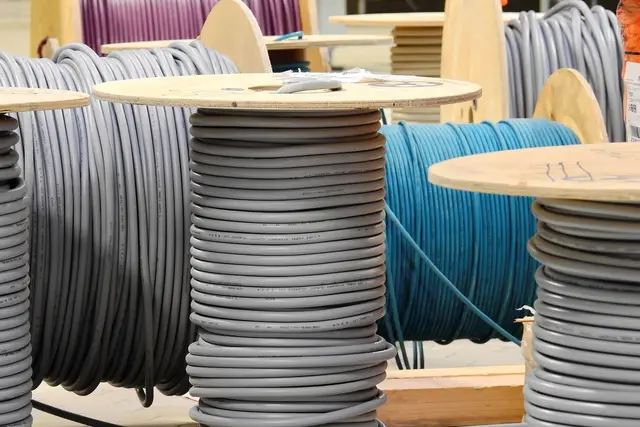
Local cable trade counter and delivery
Run a small unit stocking cable drums for local electricians and contractors, with counter sales and next-day van delivery.
- £20k-80k
- Full-time
- Own premises
Tool wholesaler with a small trade counter
Run a small unit stocking tools in bulk, serving local builders and shops with counter sales and delivery.
- £20k-80k
- Full-time
- Own premises