Herbal remedy shop on your high street
Open a small shop selling dried herbs, teas and herbal products to local customers.
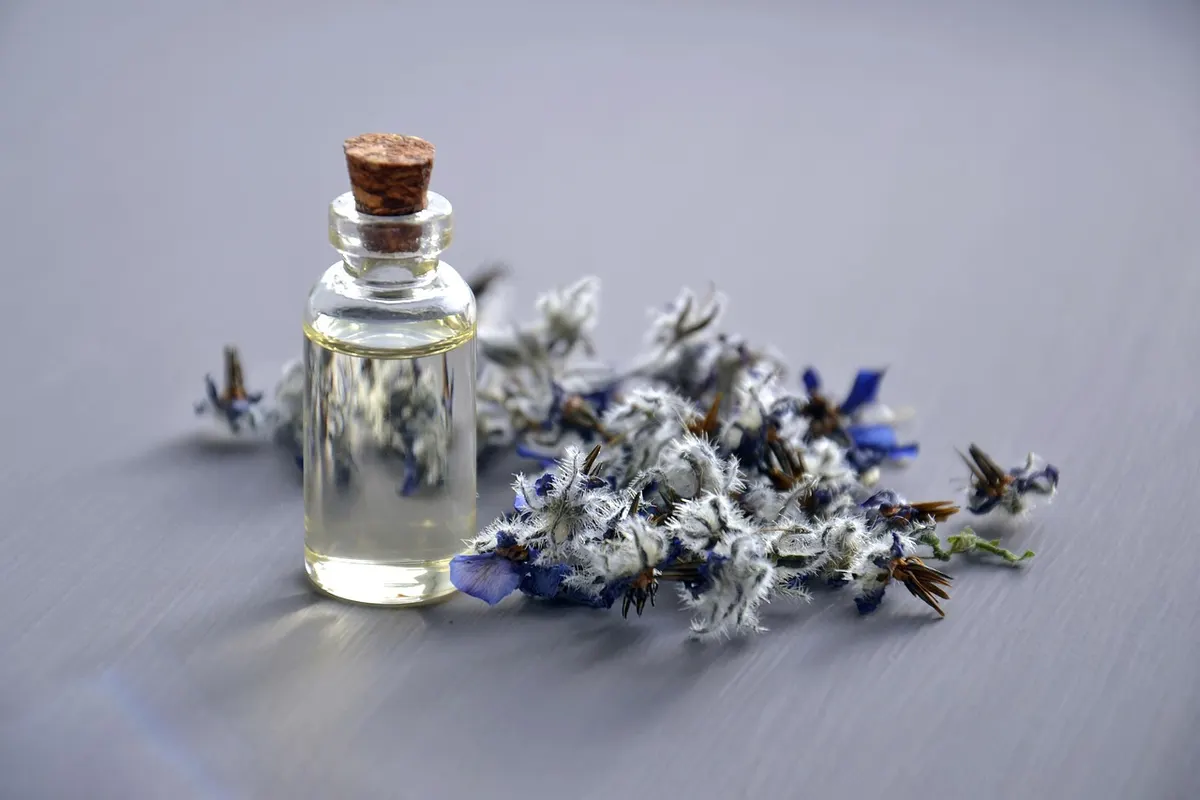
- £8k-35k
- Full-time
- Own premises
- Licence or permit needed
Estimates for a small start in the UK, not guarantees.
What it is
A small independent shop selling loose dried herbs, herbal teas, tinctures, balms and related wellbeing products. You share general product information, such as what an ingredient is and how it is traditionally used, without giving medical advice or suggesting a product treats a condition.
Your first three steps
- Visit similar shops, list what they stock and price, and find a gap in your area
- Contact herb wholesalers and request trade price lists and samples
- Check with the MHRA which products you plan to stock count as medicines and what approval they need
Who pays
Local people looking for natural products, herbal tea drinkers, home cooks and people interested in traditional remedies.
How it makes money
Profit on each sale: you buy herbs and products wholesale and sell them at a mark-up, weighing loose herbs by the gram or selling ready-packed items.
Skills that help
- Knowledge of herbs and their uses
- Customer service
- Stock control and buying
- Careful record keeping
Watch out for
- Medicines rules: a herbal product presented as treating or preventing an illness may count as a medicine under MHRA rules. Check whether each product needs a Traditional Herbal Registration or other authorisation, and only stock products that comply
- Never claim a product treats, prevents or cures an illness unless it is properly authorised, and avoid giving individual medical advice in the shop
- Some herbs are restricted or banned from sale, and some products must be supplied under supervision of a pharmacist. Check with the MHRA and your wholesalers before stocking
- Register your food business with your local council at least 28 days before you start selling herbal teas or other food items, and check food labelling rules with Trading Standards
- Public liability and product liability insurance
- Check the lease, business rates and planning use class for the unit before you commit
Deep research report · UK
Everything you need to start: herbal remedy shop on your high street
Researched with live web search for United Kingdom: real startup prices, the licences and rules, what others charge, a break-even example, how to find your first customers and a 30-day launch plan. With sources.
- Startup costs with real prices
- Licences, registration and rules
- Pricing: what others charge
- Break-even example
- Finding your first customers
- 30-day launch plan
- Risks and how to reduce them
Questions people ask
How much does it cost to open a herbal remedy shop in the UK?
Startup costs are typically around £8,000 to £35,000, depending on the unit, shop fit-out and how much stock you buy. These are estimates, so get quotes for rent, fixtures and initial stock before committing to a lease.
How much can a herbal remedy shop make each month?
Monthly revenue is typically around £2,500 to £12,000, depending on location, footfall and your product range. That is revenue, not profit, so rent, stock, rates and insurance come out of it. Estimates suggest at least 35 hours a week.
What rules should I check before selling herbal products in the UK?
Check whether each product needs a Traditional Herbal Registration or other MHRA authorisation, and avoid claiming a product treats or cures illness unless authorised. Also check restricted herbs, food business registration with your council at least 28 days before selling teas, and labelling with Trading Standards.
Other ways to run this business
Similar retail ideas

Gift basket shop on the high street
Open a small shop or unit where customers choose ready-made or build-your-own gift baskets.
- £8k-35k
- Full-time
- Own premises

Local toiletries and personal care shop
Run a small high street shop selling everyday soaps, shaving kit, toothpaste and personal care basics.
- £8k-35k
- Full-time
- Own premises

Second-hand CD shop on the high street
Open a small shop selling used CDs, buying collections over the counter and building a local music community.
- £8k-35k
- Full-time
- Own premises
Gift wrap and packaging shop
Open a small shop selling wrapping paper, bags and ribbon, with in-store gift wrapping for busy shoppers.
- £8k-35k
- Full-time
- Own premises
Local sewing and fabric shop
Open a small high street shop selling fabric, threads and notions, with advice and classes for local sewers.
- £8k-35k
- Full-time
- Own premises
Darts shop with a practice area
Open a small shop selling darts and boards, with a practice area that brings in local players.
- £8k-35k
- Full-time
- Own premises
Photo: Mareefe on Pixabay