Home loft and cavity insulation installer
Fit loft, floor and wall insulation in local homes to cut heat loss and energy bills.
- £1.5k-7k
- Part-time
- Out and about
Estimates for a small start in the UK, not guarantees.
Official data
37,269 UK companies in this field, 29% registered in the last 2 years
SIC 43290 “Other construction installation”. Source: Companies House, November 2026.
What it is
Installing insulation in existing homes, such as loft rolls, blown mineral wool or cavity wall fill, and underfloor insulation. You travel to each job with your tools and materials, usually working alone or with one helper.
Your first three steps
- Take an insulation installation course or get site experience with an established installer, and check which qualifications customers and schemes expect
- Get public liability insurance, basic kit (PPE, cutting tools, boards) and set up a supplier trade account
- Quote for a few local jobs from neighbours and landlords, then ask for reviews and photos of finished work
Who pays
Homeowners, private landlords and letting agents, and sometimes housing associations or energy-efficiency schemes that use approved installers.
How it makes money
Fixed quote per job based on area and material, with materials marked up slightly. Loft jobs are often done in a day, so steady local enquiries matter.
Skills that help
- Practical building and DIY skills
- Comfortable in tight, dusty spaces
- Measuring and quoting accurately
- Clear communication with customers
Watch out for
- Public liability insurance, and employer's liability once you take on staff
- Cavity wall and spray foam work usually needs specific training and certification, check what applies before offering it
- Many grant-funded schemes only allow installers with certain accreditation (for example TrustMark or PAS 2030), check before relying on grant work
- Building Regulations may apply to some work, check with your local building control
- Poor ventilation or damp after fitting can cause problems, so survey properly first
- Dust and fibres, wear proper protective equipment and take care working at height in lofts
Deep research report · UK
Everything you need to start: home loft and cavity insulation installer
Researched with live web search for United Kingdom: real startup prices, the licences and rules, what others charge, a break-even example, how to find your first customers and a 30-day launch plan. With sources.
- Startup costs with real prices
- Licences, registration and rules
- Pricing: what others charge
- Break-even example
- Finding your first customers
- 30-day launch plan
- Risks and how to reduce them
Questions people ask
How much does it cost to start an insulation installation business?
Startup costs are typically around £1,500 to £7,000, depending on your tools, materials, vehicle and insurance. These are estimates for a solo domestic installer, so price up your own set-up and the types of insulation you plan to fit.
Do I need certification to install insulation in the UK?
Check what applies before offering each service. Cavity wall and spray foam work usually needs specific training and certification. Many grant-funded schemes only allow installers with accreditation such as TrustMark or PAS 2030. Building Regulations may also apply, so check with local building control.
How much can a domestic insulation installer earn?
Monthly revenue is typically around £1,500 to £6,000, depending on how many jobs you take, their size and your prices. The estimate assumes at least about 15 hours a week. Revenue is before materials, insurance and other costs.
Other ways to run this business
Similar trades ideas
Wooden floor sanding and refinishing
Sand and refinish wooden floors in homes for owners and landlords, using hired or owned machines.
- £1.5k-7k
- Part-time
- Out and about

Garden fencing and gates installer
Fit and repair garden fences, panels and gates for homeowners and landlords in your area.
- £1.5k-7k
- Part-time
- Out and about
Solo shopfitter for small shops and cafés
Fit counters, shelving and interiors for independent shops, cafés and offices as a sole trader.
- £1.5k-7k
- Part-time
- Out and about
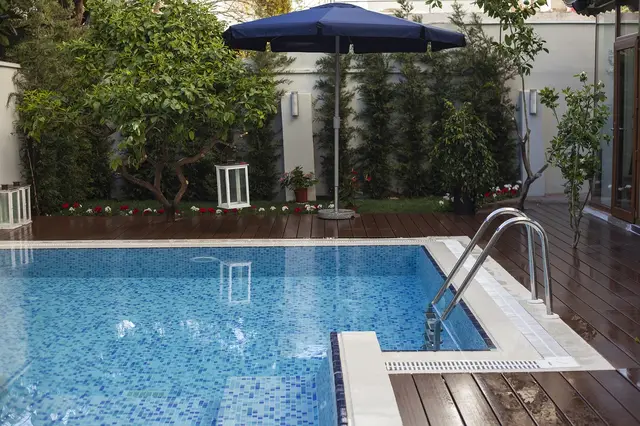
Garden decking installer
Design and build timber or composite decks for homeowners, working on your own or with one helper.
- £1.5k-7k
- Part-time
- Out and about

Garden fountain and water feature installer
Design and install fountains, ponds and water features in private gardens, working from your van.
- £1.5k-7k
- Part-time
- Out and about

Online trade lighting supplier
Supply lighting to electricians and small builders through a trade website, holding little stock and using supplier delivery.
- £1.5k-7.5k
- Side hustle
- Online