Solo shopfitter for small shops and cafés
Fit counters, shelving and interiors for independent shops, cafés and offices as a sole trader.
- £1.5k-7k
- Part-time
- Out and about
Estimates for a small start in the UK, not guarantees.
What it is
Installing shop and café interiors on site: counters, shelving, partitions, flooring, wall panels and fixtures, usually working from a client's plans or a designer's drawings.
Your first three steps
- Build a small portfolio of photos from past work and write simple quote templates
- Contact local fit-out firms, shop designers and commercial letting agents to offer sub-contract labour
- Get public liability insurance and set up as a sole trader with HMRC
Who pays
Independent shop owners, café and restaurant owners, small office tenants, and sometimes larger fit-out firms who sub-contract labour.
How it makes money
Fixed price per job or a day rate for labour, plus a mark-up on materials if you supply them. Sub-contract day rates for larger firms are a steady fallback.
Skills that help
- Carpentry and general building skills
- Reading plans and measuring accurately
- Working to deadlines around a shop's opening date
- Quoting and managing small jobs
Watch out for
- Public liability insurance, and check whether clients or main contractors ask for a specific cover level
- Health and safety on site, including working at height and using power tools; check what training or cards (such as CSCS) main contractors expect
- Electrics, gas and some structural work usually need qualified tradespeople; check what you can and cannot do yourself
- Building regulations or landlord consent may apply to some alterations; check with the client and local council
- Late payment on larger jobs, so agree stage payments and get terms in writing
Deep research report · UK
Everything you need to start: solo shopfitter for small shops and cafés
Researched with live web search for United Kingdom: real startup prices, the licences and rules, what others charge, a break-even example, how to find your first customers and a 30-day launch plan. With sources.
- Startup costs with real prices
- Licences, registration and rules
- Pricing: what others charge
- Break-even example
- Finding your first customers
- 30-day launch plan
- Risks and how to reduce them
Questions people ask
How much does it cost to start as a solo shopfitter?
Startup costs are typically around £1,500 to £7,000, depending on the tools, transport and insurance you need. Treat this as an estimate and check what your first clients or main contractors expect before you buy.
How much can a solo shopfitter earn?
Monthly revenue is typically around £2,000 to £7,000, depending on how many jobs you win and their size. The estimate assumes from about 25 hours a week, so your actual income will vary.
What rules should a shopfitter check before starting?
Check public liability cover and whether clients ask for a specific level. Check site health and safety, including working at height, and what training or cards such as CSCS main contractors expect. Also check which electrics, gas or structural work needs qualified tradespeople, and building regulations or landlord consent.
Other ways to run this business
Similar trades ideas
Wooden floor sanding and refinishing
Sand and refinish wooden floors in homes for owners and landlords, using hired or owned machines.
- £1.5k-7k
- Part-time
- Out and about

Garden fencing and gates installer
Fit and repair garden fences, panels and gates for homeowners and landlords in your area.
- £1.5k-7k
- Part-time
- Out and about
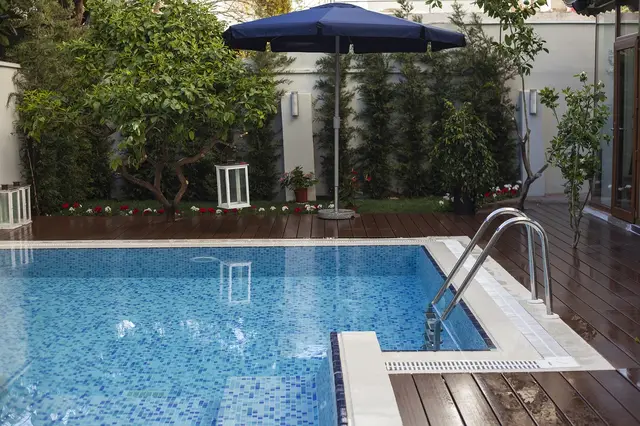
Garden decking installer
Design and build timber or composite decks for homeowners, working on your own or with one helper.
- £1.5k-7k
- Part-time
- Out and about

Garden fountain and water feature installer
Design and install fountains, ponds and water features in private gardens, working from your van.
- £1.5k-7k
- Part-time
- Out and about
Home loft and cavity insulation installer
Fit loft, floor and wall insulation in local homes to cut heat loss and energy bills.
- £1.5k-7k
- Part-time
- Out and about
Online trade lighting supplier
Supply lighting to electricians and small builders through a trade website, holding little stock and using supplier delivery.
- £1.5k-7.5k
- Side hustle
- Online