Insulation trade counter and shop
Stock boards, rolls and foam in a small unit and serve local builders and DIYers.

- £25k-80k
- Full-time
- Own premises
Estimates for a small start in the UK, not guarantees.
Official data
3,482 UK companies in this field, 22% registered in the last 2 years
SIC 47520 “Retail sale of hardware, paints and glass in specialised stores”. Source: Companies House, November 2026.
What it is
A small shop or trade counter unit selling insulation for lofts, walls, floors and roofs, plus tapes, fixings and membranes. You give practical product advice and arrange local delivery.
Your first three steps
- Visit local builders and merchants to see what they buy, what they pay and where the gaps are
- Open trade accounts with two or three insulation manufacturers or wholesalers and ask about minimum orders and credit terms
- Shortlist units with easy van access and parking, then check the lease terms, business rates and permitted use
Who pays
Local builders, loft converters and heating installers, plus homeowners doing their own insulation work.
How it makes money
You buy from manufacturers and wholesalers and sell at a margin. Trade accounts bring repeat orders, and delivery charges and add-on items lift each sale.
Skills that help
- Knowing insulation types and where each is used
- Stock control and buying
- Customer service for trade and DIY customers
- Basic cost and margin calculation
Watch out for
- Check the planning use class and lease terms for a unit with storage and customer visits
- Some foam and board products are flammable, so check fire safety and insurance requirements for storage
- Products should meet UK standards (such as UKCA or CE marking, depending on the product), so check with your suppliers
- Public liability and product liability insurance, and employer's liability once you hire
- Heavy and bulky stock means manual handling risks, and delivery may need a suitable vehicle
- Suppliers may give limited credit to a new business, so plan your cash flow carefully
- Avoid giving advice on building regulations that you are not sure about
Deep research report · UK
Everything you need to start: insulation trade counter and shop
Researched with live web search for United Kingdom: real startup prices, the licences and rules, what others charge, a break-even example, how to find your first customers and a 30-day launch plan. With sources.
- Startup costs with real prices
- Licences, registration and rules
- Pricing: what others charge
- Break-even example
- Finding your first customers
- 30-day launch plan
- Risks and how to reduce them
Questions people ask
How much does it cost to open an insulation trade counter?
Startup costs are typically around £25,000 to £80,000, depending on the unit, stock levels, fit-out and any delivery vehicle. These are estimates, and suppliers may give limited credit to a new business, so plan your cash flow carefully.
How much can an insulation trade counter earn?
Monthly revenue is typically around £8,000 to £30,000, depending on your location, range, pricing and how many trade customers you win. These are estimates only and will vary from one counter to another.
What rules should I check before selling insulation materials?
Check the planning use class and lease terms for a unit with storage and customer visits. Check fire safety and insurance for flammable foam and boards, UK standards such as UKCA or CE marking with suppliers, and public and product liability insurance.
Other ways to run this business
Similar retail ideas

Gun shop counter selling ammunition and shooting supplies
Run a small licensed shop selling ammunition and shooting accessories to local sporting users, with regular opening hours.
- £20k-80k
- Full-time
- Own premises

Local yard supplying blocks, paving and slabs
Run a small yard with a trade counter and delivery lorry, stocking concrete products for local builders and homeowners.
- £20k-80k
- Full-time
- Own premises
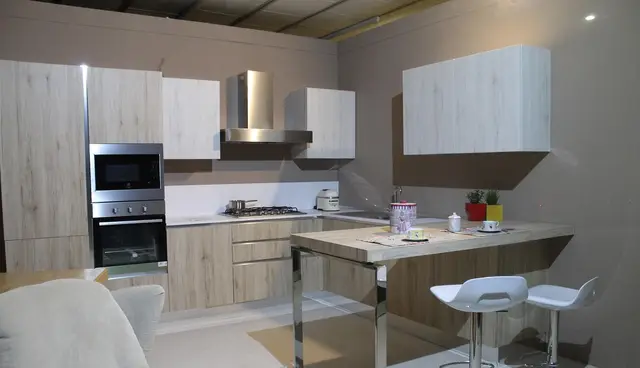
Small kitchen showroom
Open a local showroom with display kitchens, worktops and appliances, plus design and fitting for homeowners.
- £20k-80k
- Full-time
- Own premises

Local golf shop with club fitting
Open a small golf shop selling kit, with fittings and regrips for local players.
- £25k-80k
- Full-time
- Own premises

Welding supplies trade counter
Open a small unit selling welding kit, consumables and safety gear to local trades and workshops.
- £20k-80k
- Full-time
- Own premises
Local trade counter for metalware and tools
Run a small unit or shop supplying local tradespeople and the public with metal goods, fittings and tools.
- £25k-80k
- Full-time
- Own premises