Solo drylining and partition contractor
Fit stud walls, plasterboard and ceilings for builders and homeowners as a skilled one-person trade.
- £1.5k-6k
- Part-time
- Out and about
Estimates for a small start in the UK, not guarantees.
What it is
Building internal stud walls, partitions and plasterboard ceilings in homes, shops and offices, working alone or alongside a labourer. Many jobs are extensions, loft conversions and refits.
Your first three steps
- Check your experience and book a drylining or interior systems course or NVQ if you need a recognised qualification
- Buy core hand tools, a board lift or trestles and get public liability insurance
- Tell local builders, joiners and plasterers you are available and show photos of past work
Who pays
Small builders and main contractors who subcontract the work, plus homeowners and landlords who hire you directly.
How it makes money
Priced per square metre of board or wall, per day, or as a fixed price per job. Repeat work from a few builders can keep your diary full.
Skills that help
- Plasterboard and metal or timber stud fitting
- Measuring and setting out accurately
- Reading simple plans
- Reliable and tidy on site
Watch out for
- Public liability insurance, and check whether clients expect a certain level of cover
- Many larger sites require a CSCS card, check what each client asks for
- Subcontractors on construction work may fall under the Construction Industry Scheme (CIS), check with HMRC about registering
- Working at height and dust from cutting board, check the safety rules and use proper protection
- Old ceilings and walls may contain asbestos, never disturb suspect materials and check before starting
🔒 Full research report for UK
Real cost breakdown with current prices, licences and registration checklist, local competition, pricing, break-even and a 30-day launch plan, with sources.
Coming soonQuestions people ask
How much does it cost to start a drylining business?
Estimates suggest startup costs are typically around £1,500 to £6,000, depending on the tools and equipment you buy and the insurance and setup you need. Get quotes before committing.
How much can a solo drylining contractor earn?
Estimated monthly revenue is typically around £2,000 to £6,000, depending on how many jobs you take and whether you work for builders or direct for homeowners and landlords. Treat this as an estimate, not a guarantee.
What cards, insurance or rules should I check to start drylining?
Things to check: public liability insurance, and whether clients expect a certain level of cover. Many larger sites require a CSCS card, and the Construction Industry Scheme may apply, so check with HMRC. Also check the rules on working at height and asbestos.
Other ways to run this business
Similar trades ideas
Online air tools shop for garages and trades
Sell air tools, fittings and hoses online to garages, workshops and tradespeople across the UK.
- £1k-6k
- Side hustle
- Online
Granite and stone slab broker
Source granite slabs from importers and quarries, and sell them on to local fabricators and builders without holding much stock.
- £1.5k-6k
- Part-time
- From home
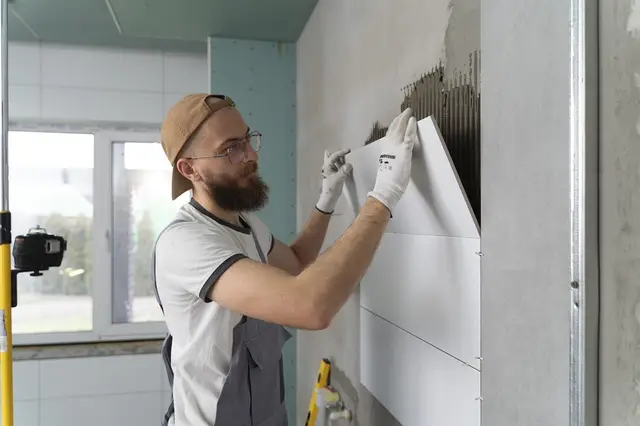
Solo bathroom fitter
Strip out and refit bathrooms for local homeowners, from basic replacements to full tiled refits.
- £1.5k-6k
- Part-time
- Out and about
Prefabricated garage installer
Fit timber, concrete or steel garage kits on prepared bases for homeowners and kit suppliers.
- £1.5k-6k
- Part-time
- Out and about

Mobile piano repair technician
Visit homes, schools and churches to fix sticking keys, broken strings and worn piano actions.
- £1.5k-6k
- Side hustle
- Out and about
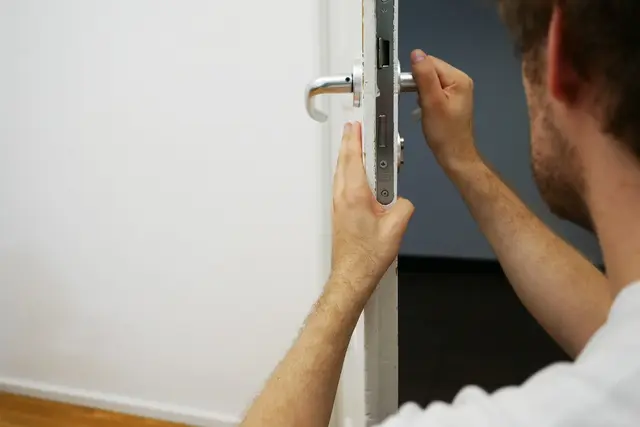
Mobile locksmith
Get people back into their homes and fit better locks, travelling to customers in a van or car.
- £1.5k-6k
- Part-time
- Out and about