Small japanese sweets shop
Run a small shop selling Japanese sweets, snacks and gift boxes to walk-in customers and visitors.
- £15k-60k
- Full-time
- Own premises
Estimates for a small start in the UK, not guarantees.
Official data
7,128 UK companies in this field, 39% registered in the last 2 years
SIC 47240 “Retail sale of bread, cakes, flour confectionery and sugar confectionery in specialised stores”. Source: Companies House, November 2026.
What it is
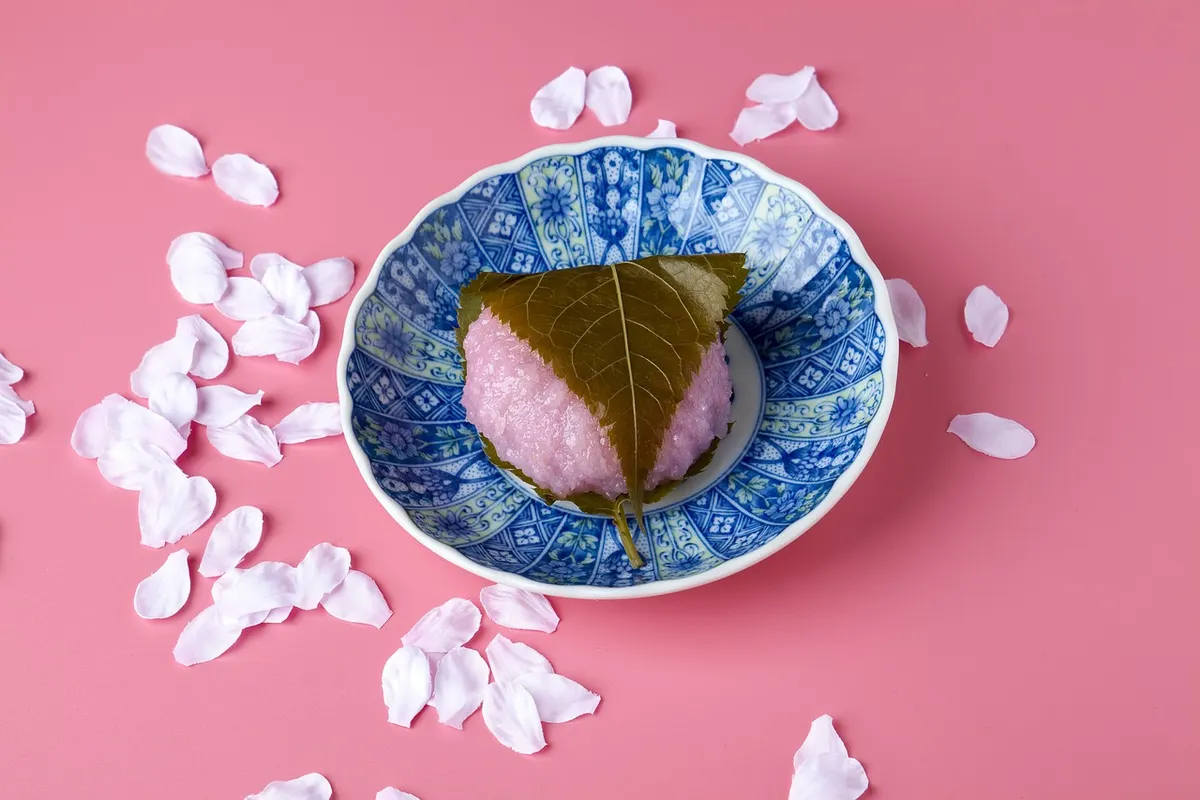
A small high street or market-hall shop selling Japanese confectionery such as mochi, wagashi-style sweets, KitKat flavours, candy, biscuits and gift boxes, plus tea to go with them.
Your first three steps
- Visit similar shops and Japanese food wholesalers, then draft a product range and price list
- Shortlist units or market-hall stalls in busy areas and work out rent and rates against your likely sales
- Register as a sole trader or limited company and contact your local council about registering as a food business
Who pays
Local shoppers, fans of Japanese culture, tourists, students and people buying gifts.
How it makes money
You buy stock from importers or wholesalers and sell at a mark-up at the counter. Gift boxes, seasonal items and tea or drinks can raise the average sale.
Skills that help
- Customer service
- Stock buying and ordering
- Basic bookkeeping
- Knowledge of Japanese sweets and flavours
Watch out for
- Register your food business with your local council before trading; check how far ahead you need to do this
- Allergen information and English-language labelling on packaged goods, especially imported items; check with your local trading standards or environmental health team
- If you import directly from Japan, check current import rules and who counts as the importer; buying from a UK wholesaler is simpler at first
- Rent, business rates and fit-out costs; check the lease terms and whether the unit's permitted use covers a food shop
- Best-before dates and stock that does not sell, so start with small orders
- Public liability insurance, and employer's liability insurance once you hire staff
Deep research report · UK
Everything you need to start: small Japanese sweets shop
Researched with live web search for United Kingdom: real startup prices, the licences and rules, what others charge, a break-even example, how to find your first customers and a 30-day launch plan. With sources.
- Startup costs with real prices
- Licences, registration and rules
- Pricing: what others charge
- Break-even example
- Finding your first customers
- 30-day launch plan
- Risks and how to reduce them
Questions people ask
How much does it cost to open a Japanese sweets shop?
Startup costs are typically around £15,000 to £60,000, depending on the unit, fit-out, rent deposit and opening stock. Starting with small orders can limit waste. These are estimates, not quotes.
What do I need to check before opening a Japanese sweets shop?
Check food business registration with your local council and how far ahead to apply, allergen and English-language labelling on imported goods, import rules if you buy direct from Japan, and whether the unit's permitted use covers a food shop.
How much can a Japanese sweets shop earn?
Estimated monthly revenue is typically around £4,000 to £18,000, depending on location, footfall and your range of sweets and gift boxes. Around 30 hours a week or more is the minimum estimated for a shop.
Other ways to run this business
Similar food ideas
Small-batch cheese and yoghurt maker
Buy in local milk and make cheese, yoghurt or butter in a small rented unit for delis and markets.
- £15k-60k
- Part-time
- Own premises

Local frozen food shop
Open a small high street shop selling frozen meals, ingredients and desserts to local households.
- £15k-60k
- Full-time
- Own premises
Juice and smoothie bar
Run a small shop serving fresh juices and smoothies made to order for locals, workers and gym-goers.
- £15k-60k
- Full-time
- Own premises

Russian and Eastern European grocery shop
Open a small shop selling Russian and Eastern European foods, drinks and treats to local shoppers.
- £15k-60k
- Full-time
- Own premises

Niche wine importer using a bonded warehouse
Bring in wines from a region you know well and sell them to independent restaurants, bars and shops.
- £15k-60k
- Part-time
- From home
Cured ham and charcuterie shop
Run a small high street shop selling whole and sliced cured hams, salamis and matching extras to local food lovers.
- £15k-60k
- Full-time
- Own premises
Photo: sayama on Pixabay