Home-Based kinesiology practice
See clients one to one in a spare room, using muscle testing and movement assessment to support their wellbeing.

- £1.5k-5k
- Side hustle
- From home
Estimates for a small start in the UK, not guarantees.
What it is
A small private practice from a quiet, clean room at home. You use muscle testing and movement assessment to talk through lifestyle, stress and wellbeing, then suggest simple next steps. It is a complementary approach and should sit alongside, not replace, medical care.
Your first three steps
- Check which kinesiology training and professional bodies are recognised, and complete or confirm your qualification
- Set up a welcoming treatment space at home and get insurance that covers your therapy
- Offer a few discounted introductory sessions to friends and local contacts and ask for honest feedback
Who pays
Individuals looking for a complementary approach to wellbeing, often found through word of mouth, local groups and wellbeing fairs.
How it makes money
A fee per session, usually 45 to 90 minutes, with some practitioners offering a discounted block of sessions or follow-up appointments.
Skills that help
- Completed kinesiology training with a recognised course
- Good listening and a calm manner
- Clear, honest communication about what you can and cannot do
- Basic record keeping
Watch out for
- Professional indemnity and public liability insurance; check your insurer is happy with treatments at home
- Check with your landlord, mortgage lender or council about seeing clients at home, plus parking and neighbours
- Advertising rules: avoid claiming to diagnose, treat or cure medical conditions, and check current ASA and CAP guidance
- Consider joining a professional body, such as one linked to the Complementary and Natural Healthcare Council, and check what it requires
- Data protection: client notes are health information, so check your obligations, including whether you need to register with the ICO
- Know when to suggest a client sees their GP
Deep research report · UK
Everything you need to start: home-based kinesiology practice
Researched with live web search for United Kingdom: real startup prices, the licences and rules, what others charge, a break-even example, how to find your first customers and a 30-day launch plan. With sources.
- Startup costs with real prices
- Licences, registration and rules
- Pricing: what others charge
- Break-even example
- Finding your first customers
- 30-day launch plan
- Risks and how to reduce them
Questions people ask
How much does it cost to start a kinesiology practice at home?
Startup costs are typically around £1,500 to £5,000, depending on your training, room setup, insurance and marketing. These are estimates, so check what your chosen course and professional body require before you budget.
How much can a home kinesiologist earn?
Monthly revenue is typically around £300 to £1,800, depending on how many clients you see and how often. These are estimates, not guarantees, and a home practice often builds gradually through word of mouth and local groups.
What should I check before seeing kinesiology clients at home?
Things to check include whether your insurer is happy with treatments at home, your landlord, mortgage lender or council, advertising rules on not claiming to diagnose, treat or cure, data protection and ICO registration, and when to suggest a GP.
Other ways to run this business
Similar health and wellness ideas
Mobile first aid trainer
Teach first aid courses at workplaces, clubs and community halls for employers and individuals.
- £1.5k-5k
- Side hustle
- Out and about
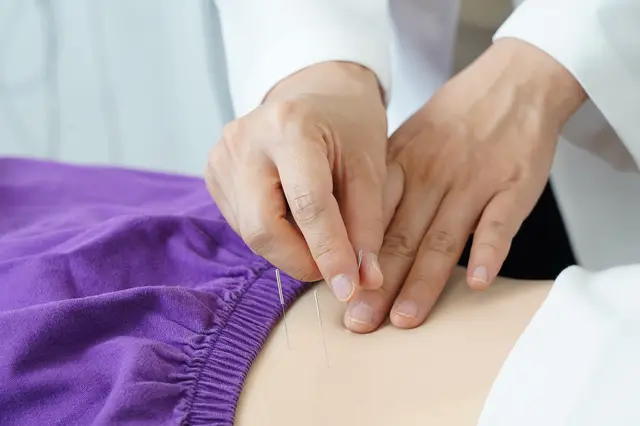
Home-based acupuncture and herbal clinic
Turn a spare room into a calm treatment room and see a small number of regular acupuncture and herbal clients.
- £1k-5k
- Side hustle
- From home
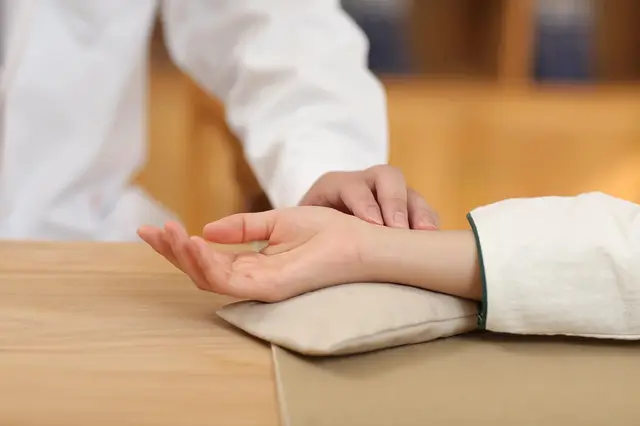
Holistic practitioner in a rented clinic room
Rent a treatment room by the day or hour in a wellbeing centre and build a fuller client list.
- £1k-5k
- Part-time
- Own premises

Online Ayurvedic consultations
Offer Ayurvedic diet and lifestyle consultations by video call from home, paid per session.
- £1k-5k
- Side hustle
- Online
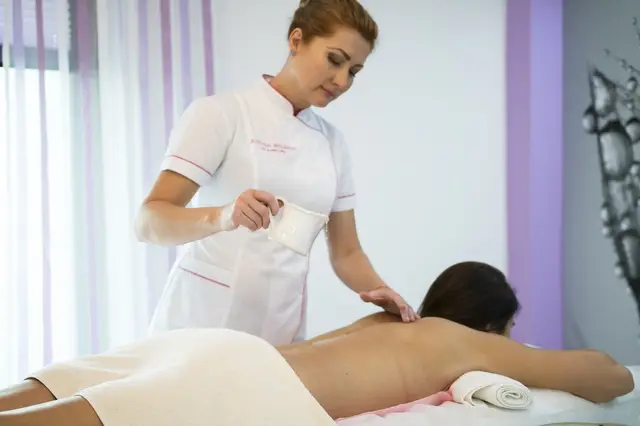
Therapist renting a room in a wellbeing clinic
Rent a treatment room by the hour or day in a clinic or therapy centre and build a client base without your own premises.
- £1k-5k
- Part-time
- Own premises

Home-based herbal practice
See clients one to one in a spare room at home and make up herbal remedies for their needs.
- £1k-5k
- Side hustle
- From home