Local language classes
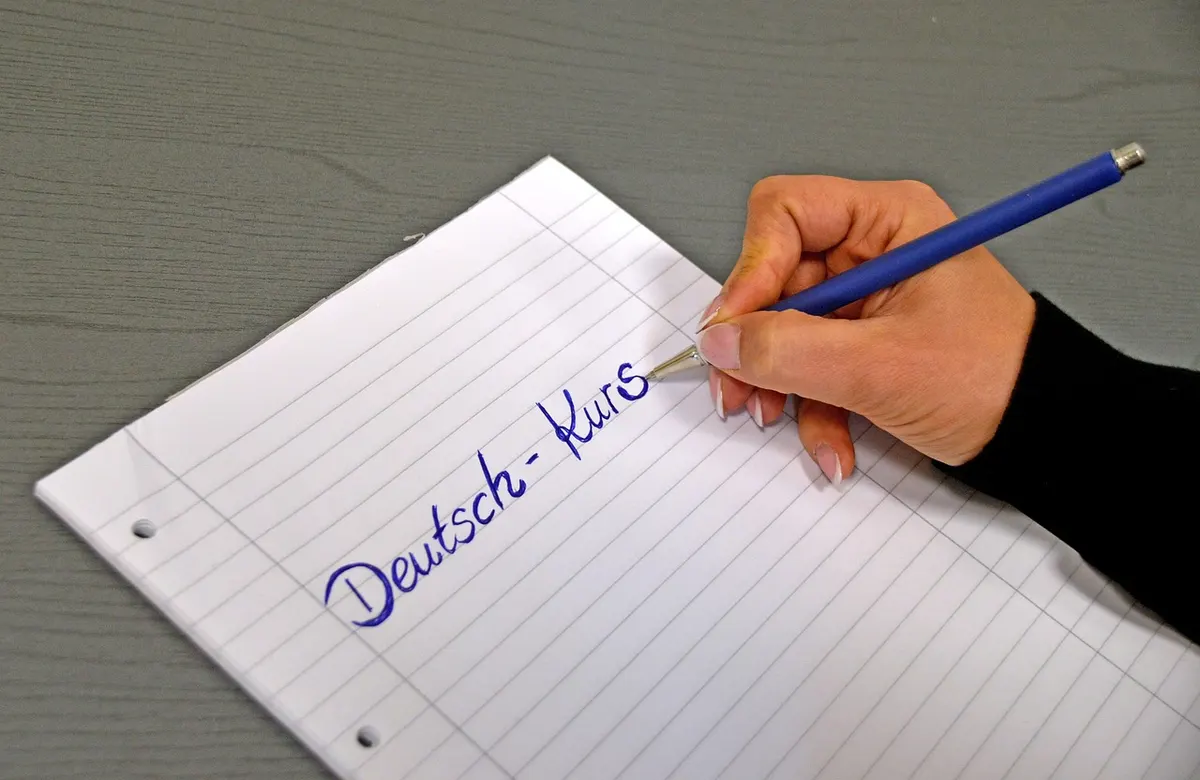
Run weekly language classes for adults or children in a hired community room or library.
- £300-2k
- Side hustle
- Out and about
Estimates for a small start in the UK, not guarantees.
What it is
Regular in-person classes in a language, held in hired community halls, libraries or school rooms. You run courses over a term, for example evening classes for adults or after-school clubs for children.
Your first three steps
- Find a suitable room locally and check hire prices and available evenings or afternoons
- Design a 6 to 10 week beginner course and set a price per learner
- Promote it through local Facebook groups, parent networks and noticeboards, and run a taster session
Who pays
Adult learners, parents of children, and sometimes schools or nurseries that bring you in for clubs.
How it makes money
Course fees per term or a fee per session per learner. Income depends on class size and how many classes you can fill each week.
Skills that help
- Fluent in the language you teach
- Confident leading a group
- Planning courses and materials
- Local marketing
Watch out for
- Public liability insurance, and check whether the venue requires it
- Working with children: check whether you need an enhanced DBS check, especially for school clubs
- Safeguarding and a clear policy on parents' attendance and pick-up
- Classes that do not fill, so set a minimum number before running a course
- Register as a sole trader with HMRC
🔒 Full research report for UK
Real cost breakdown with current prices, licences and registration checklist, local competition, pricing, break-even and a 30-day launch plan, with sources.
Coming soonQuestions people ask
How much does it cost to start language classes?
Startup costs are typically around £300 to £2,000, depending on the rooms you hire, the materials you prepare and how much you spend on local marketing. These are estimates, so check your own venue and course costs.
How much can you earn running local language classes?
Monthly revenue is typically around £400 to £3,000, depending on how many classes you run, how many learners attend and what you charge. These are estimates, not guarantees, and classes that do not fill will lower income.
What rules apply to teaching languages in hired rooms?
Check whether you need public liability insurance and whether the venue requires it. If you teach children, check whether an enhanced DBS check is needed, and set a safeguarding policy. Also check that you register as a sole trader with HMRC.
Other ways to run this business

Online language tutor
Teach your language one-to-one or in small online groups to adults and children, from your own home.
- £100-800
- Side hustle
- Online
Small language school
Rent a small unit and run classes in several languages with a few part-time teachers.
- £5k-25k
- Full-time
- Own premises
Similar teaching and tutoring ideas
Dance classes in a hired hall
Run weekly children's and adult dance classes in a village or church hall, paid by the term.
- £300-2k
- Side hustle
- Out and about
Home drum teacher
Teach drum lessons one to one from a spare room or garage, using an electronic kit that keeps the noise down.
- £400-2k
- Side hustle
- From home
Evening classes in a hired local venue
Run short evening courses in a hired hall or classroom, teaching a skill or hobby you know well.
- £300-2k
- Side hustle
- Out and about

Online live cookery classes
Teach cook-along classes by video from your kitchen to students anywhere in the UK.
- £400-2k
- Side hustle
- Online
Subcontract apprenticeship trainer
Deliver training and coaching to apprentices for an approved provider, without setting up a full centre yourself.
- £300-2k
- Side hustle
- Out and about
Group singing classes
Run weekly group singing classes in a hired hall for beginners, kids or community groups.
- £300-2k
- Side hustle
- Own premises
Photo: Katja_Kolumna on Pixabay