Leather stockholder and exporter
Buy leather hides from tanneries, hold stock and sell it on to overseas makers in smaller, flexible lots.

- £15k-60k
- Full-time
- Own premises
Estimates for a small start in the UK, not guarantees.
Official data
268 UK companies in this field, 28% registered in the last 2 years
SIC 46240 “Wholesale of hides, skins and leather”. Source: Companies House, November 2026.
What it is
You buy hides or cut leather from tanneries, store them in a small unit or shared warehouse, and sell to overseas workshops and brands that want smaller quantities than a tannery offers.
Your first three steps
- Open accounts with a few tanneries and agree trial orders, payment terms and minimum quantities
- Find suitable dry storage and get quotes from freight forwarders for your target countries
- Pick a narrow range, such as one leather type or finish, and offer samples to a short list of overseas makers
Who pays
Small and mid-sized makers of bags, shoes, belts and upholstery abroad, plus other merchants and designers.
How it makes money
You sell at a margin above your buying price. Fast delivery, small minimum orders and a good choice of colours let you charge more than a tannery would.
Skills that help
- Judging leather quality and grades
- Negotiating with suppliers and buyers
- Export paperwork and shipping
- Managing cash flow and stock
Watch out for
- Check customs rules: EORI number, commodity codes, export declarations and any duties in the destination country
- Payment risk with overseas buyers; consider upfront payment, letters of credit or trade credit insurance
- Stock insurance and storage conditions, as leather can be damaged by damp
- Currency changes can reduce your margin, so check how to quote and get paid
- Check VAT treatment of exports and whether you need to register
- Check buyer requirements on chemicals in leather and any rules for exotic skins
Deep research report · UK
Everything you need to start: leather stockholder and exporter
Researched with live web search for United Kingdom: real startup prices, the licences and rules, what others charge, a break-even example, how to find your first customers and a 30-day launch plan. With sources.
- Startup costs with real prices
- Licences, registration and rules
- Pricing: what others charge
- Break-even example
- Finding your first customers
- 30-day launch plan
- Risks and how to reduce them
Questions people ask
How much does it cost to start a leather stockholding and export business?
Estimates suggest startup costs typically around £15,000 to £60,000, depending on how much stock you buy and your storage. Stock insurance and storage conditions matter, as leather can be damaged by damp.
How much can a leather exporter earn?
Estimated monthly revenue is typically around £5,000 to £25,000, depending on stock levels and the buyers you win. Currency changes can reduce your margin, so check how to quote and get paid.
What export rules should I check before selling leather overseas?
Check customs rules, including an EORI number, commodity codes, export declarations and any duties in the destination country. Also check the VAT treatment of exports and whether you need to register, and consider payment risk with overseas buyers.
Other ways to run this business
Similar making and manufacturing ideas
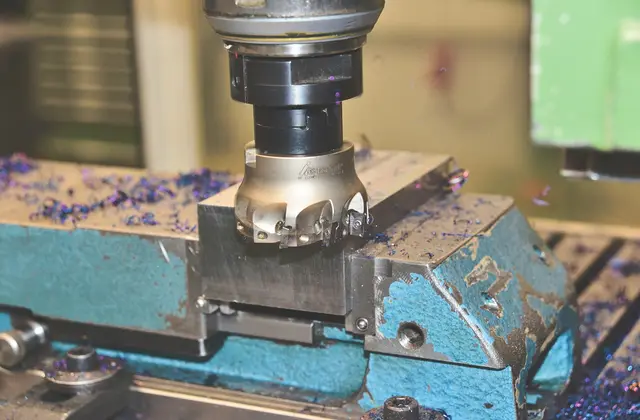
Jobbing machine shop in a small unit
Make and repair one-off and short-run metal parts for local firms, farms and workshops from a rented unit.
- £15k-60k
- Full-time
- Own premises

Barrel reconditioning workshop
Rent a small unit to refurbish used barrels and sell new and reconditioned casks to drinks producers.
- £15k-60k
- Full-time
- Own premises

Bespoke staircase maker with a workshop
Design, build and install made-to-measure timber staircases from a small rented workshop.
- £15k-60k
- Full-time
- Own premises
Small-batch lingerie workshop
Run a small UK workshop making lingerie in short runs for independent brands and labels.
- £15k-60k
- Full-time
- Own premises

Local aluminium frames stockist with a small unit
Hold popular frame sizes and profiles in a small unit and supply local trades quickly, with your own delivery.
- £15k-60k
- Full-time
- Own premises
Small-unit digital print shop
Run a small unit with a production digital press, offering fast short-run printing for businesses, events and walk-in customers.
- £15k-60k
- Full-time
- Own premises