Part-Time sheep and cattle dealer
Buy store lambs, ewes or calves at marts and from farms, then sell on for a margin, using a hired haulier.
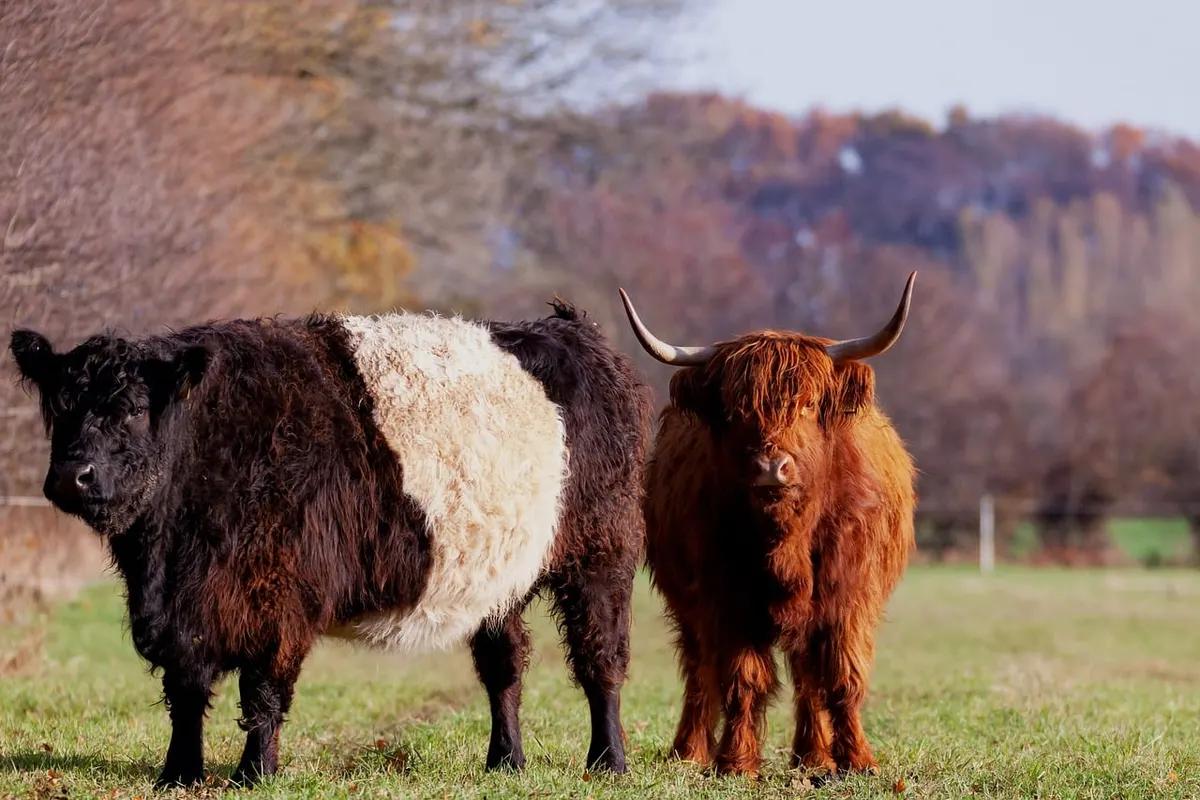
- £1k-5k
- Side hustle
- Out and about
- Licence or permit needed
Estimates for a small start in the UK, not guarantees.
Official data
298 UK companies in this field, 33% registered in the last 2 years
SIC 46230 “Wholesale of live animals”. Source: Companies House, November 2026.
What it is
Buying farm animals such as store lambs, breeding ewes or calves at local marts or direct from farmers, and selling them on to other farmers or finishers. You start small, often alongside a job or farm work, and hire in transport rather than owning a lorry.
Your first three steps
- Spend a few weeks at your local marts watching prices and getting to know buyers, sellers and hauliers
- Check with APHA and your local trading standards what registrations and holding numbers you need to buy, hold and move animals
- Line up a reliable livestock haulier and somewhere approved to keep animals briefly, then try a small first batch
Who pays
Farmers looking for breeding or fattening stock, finishers, and other dealers or buyers at marts and private sales.
How it makes money
The difference between what you pay and what you sell for, after transport, mart fees, feed and any losses. Your margin depends on your eye for stock and timing.
Skills that help
- Judging livestock condition and value
- Negotiating with farmers
- Safe animal handling
- Good record keeping
Watch out for
- Registration of any land or holding you use, and movement reporting rules, which differ between England, Scotland, Wales and Northern Ireland, so check with APHA and your national body
- Cattle TB testing and movement restrictions, which can trap you with stock you cannot sell
- Animal welfare law and rules on transporting animals, including who needs authorisation or a certificate of competence
- Price swings and disease losses: you can lose money on a batch, so only risk what you can afford
- Insurance, including public liability and cover for stock and transport, and tax records as a sole trader
Deep research report · UK
Everything you need to start: part-time sheep and cattle dealer
Researched with live web search for United Kingdom: real startup prices, the licences and rules, what others charge, a break-even example, how to find your first customers and a 30-day launch plan. With sources.
- Startup costs with real prices
- Licences, registration and rules
- Pricing: what others charge
- Break-even example
- Finding your first customers
- 30-day launch plan
- Risks and how to reduce them
Questions people ask
How much does it cost to start livestock dealing part-time?
Estimates suggest startup costs are typically around £1,000 to £5,000, depending on how much stock you buy at first, what you pay for hired haulage, and the insurance you take out.
How much can a part-time livestock dealer make?
Estimated monthly revenue is typically around £500 to £2,500, depending on how many animals you trade and market prices. This is revenue, not profit, and price swings or disease losses can leave you out of pocket on a batch.
What rules should I check before dealing in sheep and cattle?
Check registration of any land or holding you use and movement reporting rules, which differ between UK nations, with APHA and your national body. Also check cattle TB restrictions, animal welfare and transport rules, and insurance.
Other ways to run this business
Similar farming and garden ideas

Independent crop inputs agent
Visit farms and growers, take orders for fertiliser and crop protection, and earn commission from a supplier.
- £1k-5k
- Part-time
- Out and about
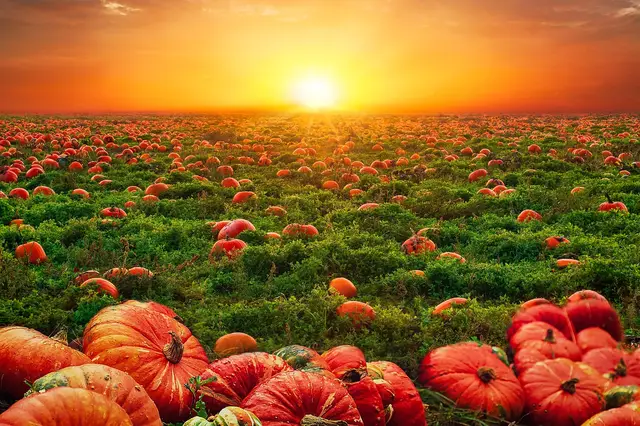
Small seasonal pumpkin patch
Grow pumpkins on a rented or family field and open it to families to pick their own each October.
- £1k-5k
- Side hustle
- Own premises

Online farm shop with boxes and collection
Take orders online for veg boxes, meat or dairy, then deliver locally or hand over at a weekly collection point.
- £500-6k
- Part-time
- Online
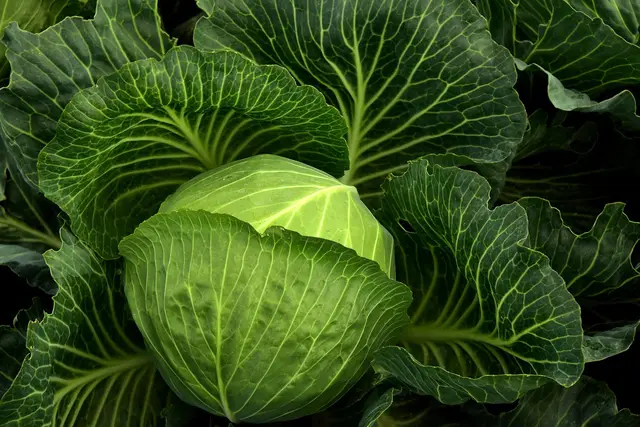
Small organic plot for salads and herbs
Start small on a rented plot or large garden, growing organic salad and herbs for local cafes, restaurants and neighbours.
- £1.5k-6k
- Side hustle
- Own premises

Online seed shop for gardeners
Sell flower, vegetable and herb seeds to home gardeners through your own website and online marketplaces.
- £500-4k
- Side hustle
- Online
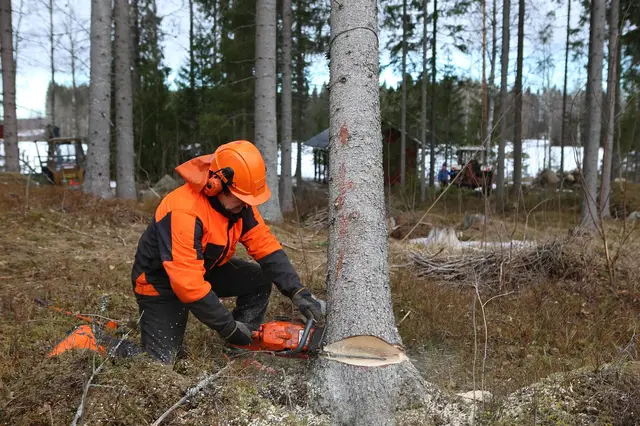
Tree planting and woodland upkeep
Plant trees, fit tree guards and clear weeds for landowners creating or restoring woodland, as a seasonal or part-time job.
- £500-4k
- Side hustle
- Out and about
Photo: Andhoj on Pixabay