Business finance broker
Help small firms find business loans, asset finance and cash flow funding, paid by commission or fee.
- £1k-6k
- Part-time
- From home
- Licence or permit needed
Estimates for a small start in the UK, not guarantees.
Official data
9,891 UK companies in this field, 26% registered in the last 2 years
SIC 66190 “Activities auxiliary to financial intermediation n.e.c.”. Source: Companies House, November 2026.
What it is
You act as the go-between for small businesses needing funding and the lenders who provide it. You gather the paperwork, compare lenders and submit applications for things like business loans, vehicle and equipment finance, and invoice finance. You work from home using phone, email and online lender portals.
Your first three steps
- Pick a niche, such as asset finance for tradespeople or loans for local shops, and learn how its lenders work
- Check with the Financial Conduct Authority (FCA) whether the type of lending you want to arrange needs authorisation or an appointed representative arrangement
- Apply to broker panels or lender introducer schemes and meet local accountants who might refer clients
Who pays
Lenders usually pay you commission when a deal completes. Some brokers also charge the business a fee, which must be clearly explained up front.
How it makes money
A commission from the lender on each completed deal, sometimes plus an agreed fee from the client. Income comes in lumps as deals complete, so it can vary a lot from month to month.
Skills that help
- Comfortable talking about money and numbers
- Building relationships with accountants and business owners
- Careful paperwork and follow-up
- Clear, honest explanations
Watch out for
- FCA rules: arranging credit for individuals, sole traders and some small partnerships is often regulated, so check before you trade
- Professional indemnity insurance and, where relevant, public liability cover
- Data protection: register with the ICO and handle financial documents securely
- Fees and commission must be disclosed clearly to clients; check the rules on this
- Income can be uneven and deals can fall through after weeks of work
Deep research report · UK
Everything you need to start: business finance broker
Researched with live web search for United Kingdom: real startup prices, the licences and rules, what others charge, a break-even example, how to find your first customers and a 30-day launch plan. With sources.
- Startup costs with real prices
- Licences, registration and rules
- Pricing: what others charge
- Break-even example
- Finding your first customers
- 30-day launch plan
- Risks and how to reduce them
Questions people ask
How much does it cost to start as a business finance broker?
Startup costs are typically estimated at around £1,000 to £6,000, depending on insurance, software, regulatory costs and marketing. You work from home using phone, email and lender portals, which keeps overheads fairly low.
How much can a business finance broker earn?
Monthly revenue is typically estimated at around £1,000 to £5,000, depending on how many deals complete. Income can be uneven, and deals can fall through after weeks of work, so plan your cash flow.
What rules should I check before becoming a finance broker?
Check FCA rules before you trade, as arranging credit for individuals, sole traders and some small partnerships is often regulated. Also check professional indemnity insurance, ICO registration, secure handling of documents, and how fees and commission must be disclosed to clients.
Other ways to run this business

Similar business services ideas
Water filter supply and replacement service
Supply and swap filters at offices, cafes and commercial kitchens on a regular service visit.
- £1.5k-6k
- Part-time
- Out and about

Coffin supplier to funeral directors
Source coffins and caskets from makers and supply small funeral directors, with fast delivery.
- £1k-6k
- Side hustle
- From home

Independent local business broker
Help owners of small local firms sell up, find buyers and earn a commission when the sale completes.
- £1.5k-6k
- Part-time
- From home

Home-based lettings agent for landlords
Find tenants, run viewings and handle paperwork for local landlords, working from home and on the road.
- £1.5k-6k
- Side hustle
- From home
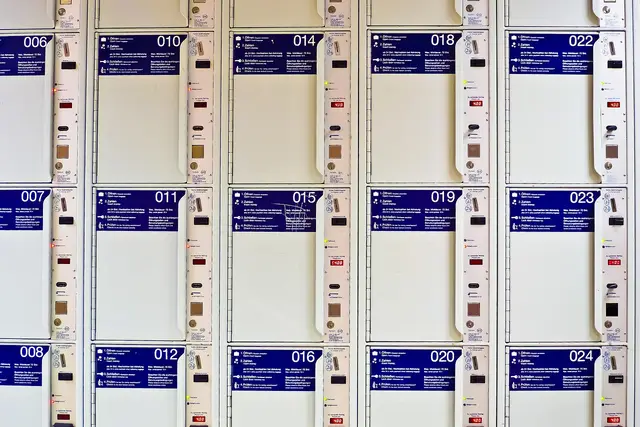
Coin-operated lockers in local venues
Place pay-to-use storage lockers in venues like pools, gyms or attractions and share the takings with the owner.
- £1k-6k
- Side hustle
- Out and about

Local hybrid estate agent working from home
Sell and let homes in your area from a home office, with no high street shop to pay for.
- £1.5k-6k
- Part-time
- From home