Local measuring instruments trade supplier
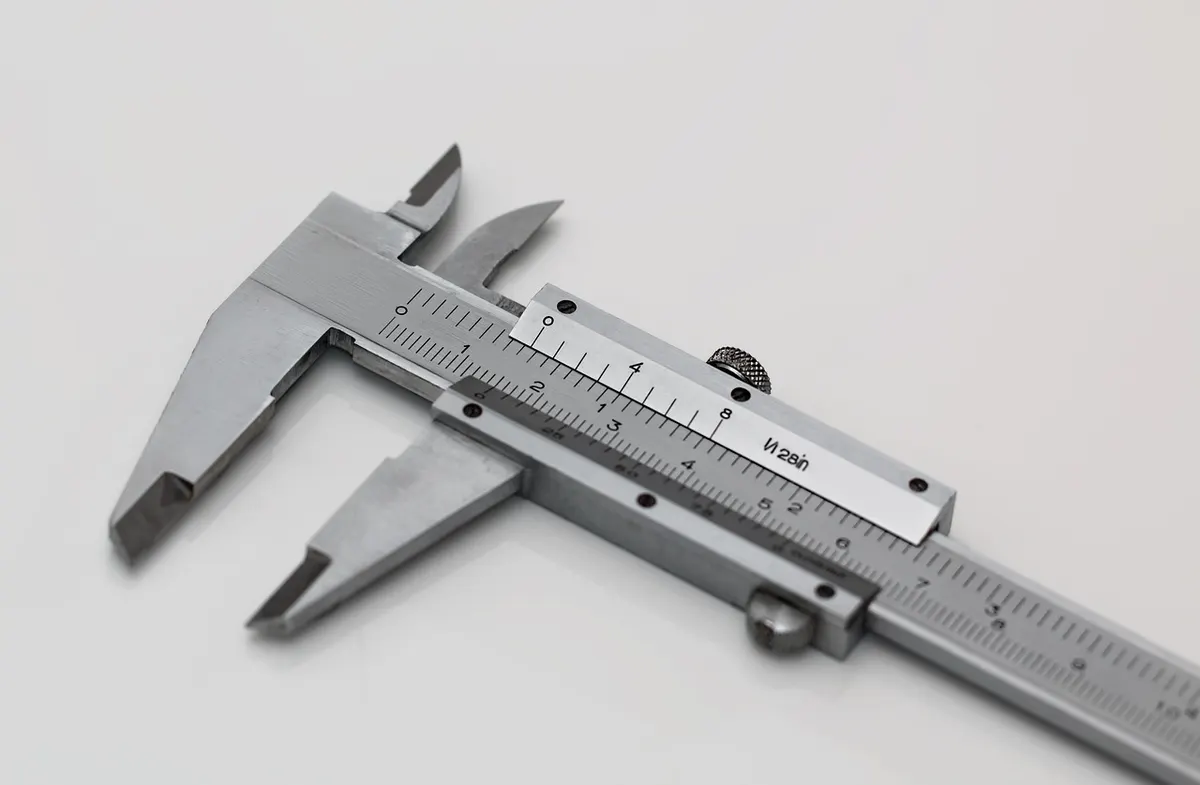
Stock precision tools and instruments from a small unit and supply local factories, workshops and labs on account.
- £15k-50k
- Full-time
- Own premises
Estimates for a small start in the UK, not guarantees.
What it is
A small unit or trade counter holding a range of measuring tools and instruments, backed by an online catalogue. You supply local engineering firms, workshops, labs and trade customers, and can order in less common items for them.
Your first three steps
- Visit local workshops and manufacturers to find out what they buy, from whom, and what annoys them about current suppliers
- Open trade accounts with several UK distributors and agree credit terms and stock lines
- Price up a small unit or shared trade space and work out the monthly break-even before signing a lease
Who pays
Manufacturers, engineering workshops, laboratories, college workshops, maintenance teams and tradespeople.
How it makes money
Margin on products sold over the counter, by phone and by email, plus regular account customers who reorder. Specialist advice and quick availability help you charge more than online-only sellers.
Skills that help
- Technical product knowledge
- Building relationships with business buyers
- Stock control and purchasing
- Quoting and invoicing
Watch out for
- Rent, rates and stock tie up a lot of money before sales build, so check your break-even figures carefully
- Public liability and stock or contents insurance, plus employer's liability if you hire staff
- Check which product safety and marking rules apply to the instruments you sell
- Customers may ask for traceable calibration certificates, so check what you can supply and from whom
- Offering credit to business customers brings late-payment risk, so check customers before giving account terms
- Check planning and lease terms for the unit, including permitted use
🔒 Full research report for UK
Real cost breakdown with current prices, licences and registration checklist, local competition, pricing, break-even and a 30-day launch plan, with sources.
Coming soonQuestions people ask
How much does it cost to start a measuring instruments trade supplier?
Startup costs are typically around £15,000 to £50,000, depending on your premises and stock levels. Rent, rates and stock tie up a lot of money before sales build, so check your break-even figures carefully.
How much can a trade counter supplying measuring instruments earn?
Monthly revenue is typically around £8,000 to £35,000, depending on your customer base and range. These are estimates, not guarantees. Offering credit to business customers brings late-payment risk, so check customers before giving account terms.
What should I check before opening a measuring instruments trade counter?
Check planning and lease terms for the unit, including permitted use, and which product safety and marking rules apply to the instruments you sell. Also check what traceable calibration certificates you can supply and from whom, and which insurance you need.
Other ways to run this business
Similar making and manufacturing ideas
Bespoke fitted furniture workshop
Make and supply made-to-measure wardrobes, alcove units and kitchens from a small rented workshop.
- £15k-50k
- Full-time
- Own premises
Powder coating workshop
Rent a small unit and powder coat gates, railings, furniture and parts for trade and local customers.
- £12k-50k
- Full-time
- Own premises

Custom spring maker with a small workshop
Make springs to order on a coiling machine for local manufacturers, engineers and repair firms.
- £12k-50k
- Full-time
- Own premises
Used machine tool and tooling dealer
Buy, check and resell used metalworking machines, plus tooling and consumables, from a small unit.
- £12k-50k
- Part-time
- Own premises

Contract knitwear studio for independent labels
Rent a small unit, run flat-bed knitting machines and produce short runs for fashion start-ups and independent brands.
- £12k-50k
- Full-time
- Own premises

Leather trade supplier from a small unit
Stock hides in a small unit and supply workshops, upholsterers and makers on trade accounts.
- £10k-50k
- Full-time
- Own premises
Photo: stevepb on Pixabay