Used machine tool and tooling dealer
Buy, check and resell used metalworking machines, plus tooling and consumables, from a small unit.
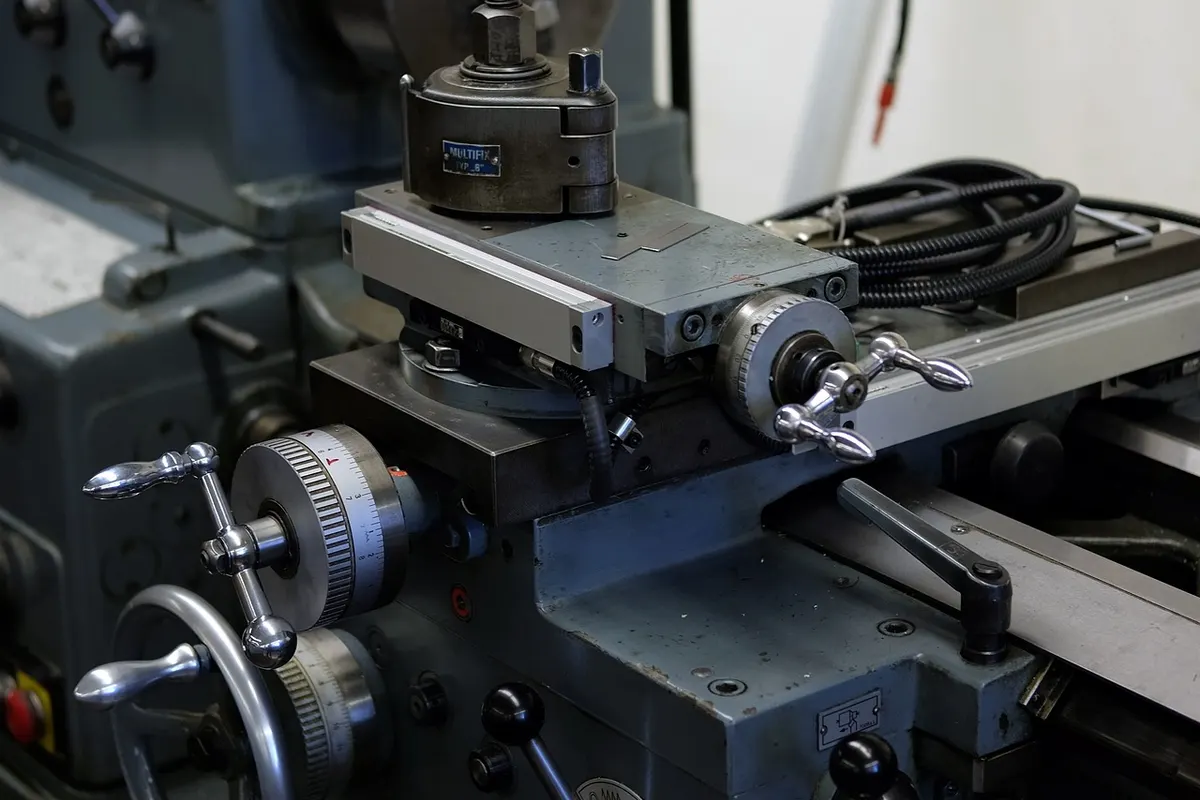
- £12k-50k
- Part-time
- Own premises
Estimates for a small start in the UK, not guarantees.
Official data
1,073 UK companies in this field, 24% registered in the last 2 years
SIC 46620 “Wholesale of machine tools”. Source: Companies House, November 2026.
What it is
You source second-hand lathes, mills, saws and similar machines from closing workshops and auctions. You clean and test them, then resell them with tooling and consumables from a small unit or yard.
Your first three steps
- Visit machinery auctions and online listings to learn typical buy and sell prices for a few machine types
- Find a small unit or storage space with level floors and access for a van or forklift, and check the terms
- Buy two or three machines, test and photograph them, and list them online and with local workshops
Who pays
Start-up workshops, hobby and small-batch engineers, fabricators, agricultural and vehicle workshops, and schools or colleges.
How it makes money
You sell machines for more than you paid and cover the refurbishment cost. Extra margin comes from cutting tools, vices, measuring kit and delivery or installation fees.
Skills that help
- Judging the condition and value of machines
- Basic mechanical and electrical awareness
- Buying and negotiating
Watch out for
- Stock can tie up cash and be slow to sell, so start small
- Check the safety rules for supplying second-hand machinery, including guarding and electrical safety testing
- Public liability, product liability and stock insurance, and goods in transit cover
- Safe lifting and moving of heavy machines, and any training or equipment needed
- Check unit lease terms, business rates and whether your use is allowed in the premises
- Keep proof of ownership for what you buy and be clear about what warranty you offer
Deep research report · UK
Everything you need to start: used machine tool and tooling dealer
Researched with live web search for United Kingdom: real startup prices, the licences and rules, what others charge, a break-even example, how to find your first customers and a 30-day launch plan. With sources.
- Startup costs with real prices
- Licences, registration and rules
- Pricing: what others charge
- Break-even example
- Finding your first customers
- 30-day launch plan
- Risks and how to reduce them
Questions people ask
How much does it cost to start a used machine tool dealership?
Startup costs are typically around £12,000 to £50,000, depending on your unit and how much stock you buy. Stock can tie up cash and be slow to sell, so it makes sense to start small.
How much can a used machine tool dealer earn?
Monthly revenue is typically around £4,000 to £20,000, depending on the machines, tooling and consumables you sell. This usually needs around 25 hours a week or more, and sales can be slow.
What rules and insurance should I check before selling used machinery?
Check the safety rules for supplying second-hand machinery, including guarding and electrical safety testing. Check public liability, product liability, stock and goods in transit insurance, plus your unit lease terms, business rates and whether your use is allowed.
Other ways to run this business
Similar making and manufacturing ideas
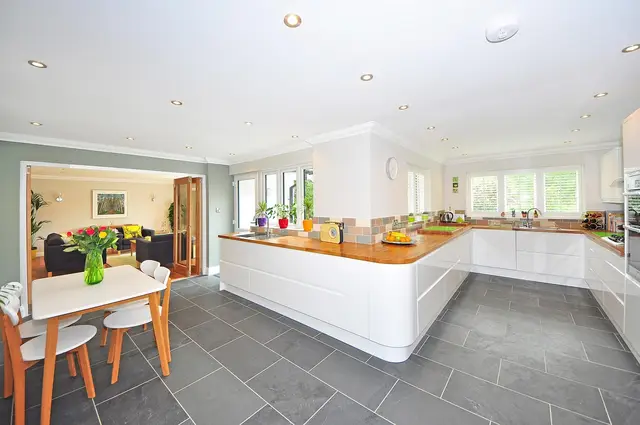
Bespoke fitted furniture workshop
Make and supply made-to-measure wardrobes, alcove units and kitchens from a small rented workshop.
- £15k-50k
- Full-time
- Own premises
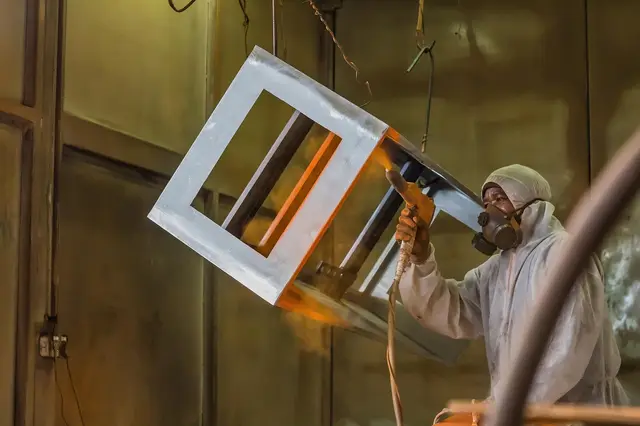
Powder coating workshop
Rent a small unit and powder coat gates, railings, furniture and parts for trade and local customers.
- £12k-50k
- Full-time
- Own premises

Custom spring maker with a small workshop
Make springs to order on a coiling machine for local manufacturers, engineers and repair firms.
- £12k-50k
- Full-time
- Own premises
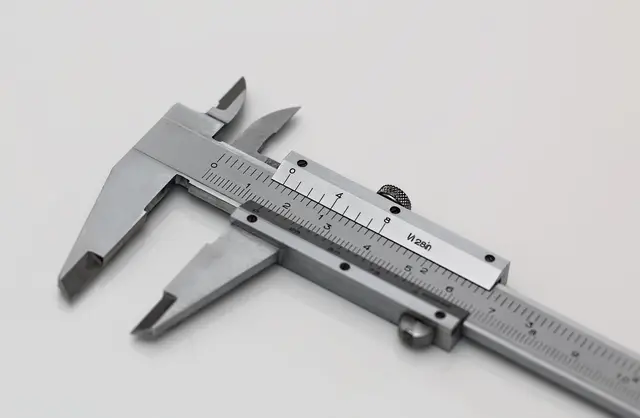
Local measuring instruments trade supplier
Stock precision tools and instruments from a small unit and supply local factories, workshops and labs on account.
- £15k-50k
- Full-time
- Own premises

Contract knitwear studio for independent labels
Rent a small unit, run flat-bed knitting machines and produce short runs for fashion start-ups and independent brands.
- £12k-50k
- Full-time
- Own premises

Leather trade supplier from a small unit
Stock hides in a small unit and supply workshops, upholsterers and makers on trade accounts.
- £10k-50k
- Full-time
- Own premises
Photo: emkanicepic on Pixabay