Online mobility aids and daily living shop
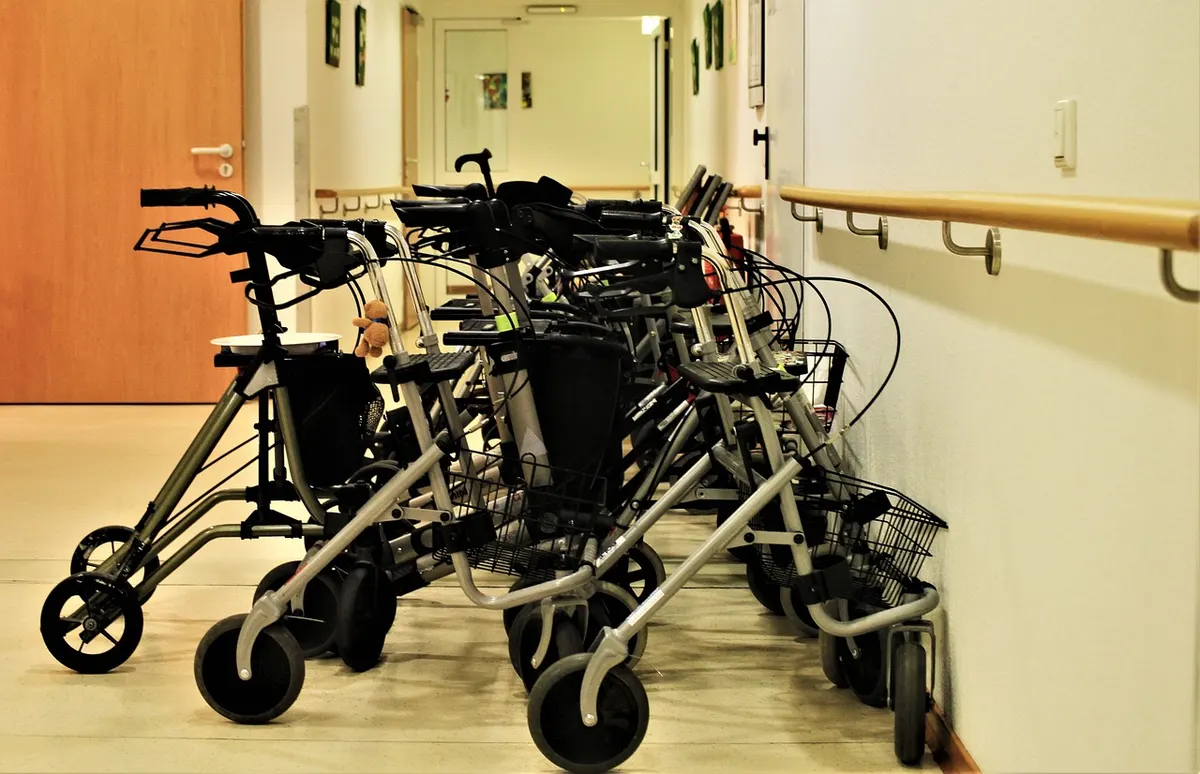
Sell walking aids, bath safety items and daily living equipment online, sourced from trade suppliers.
- £1k-6k
- Side hustle
- Online
Estimates for a small start in the UK, not guarantees.
Official data
2,916 UK companies in this field, 25% registered in the last 2 years
SIC 47749 “Retail sale of medical and orthopaedic goods in specialised stores (not incl. hearing aids) n.e.c.”. Source: Companies House, November 2026.
What it is
A small online shop selling low-risk mobility and daily living products such as walking sticks, rollators, bathroom aids and pressure-relief cushions. You buy from wholesalers and either hold small stock at home or have suppliers send orders direct.
Your first three steps
- Pick a narrow range (for example bathroom safety or walking aids) and compare prices from several UK trade wholesalers
- Set up a simple online shop with clear product descriptions, returns information and contact details
- Order a small amount of stock or arrange direct dispatch, then tell local carers' groups, community centres and social media groups about the shop
Who pays
Older people, family members buying on their behalf, carers and small care providers.
How it makes money
You add a margin to the trade price of each product. Delivery charges and bundles, such as a bathroom safety set, can lift the average order.
Skills that help
- Clear, kind communication with customers
- Product knowledge and honest advice
- Basic online shop and listing skills
- Organised stock and order handling
Watch out for
- Check which products count as medical devices and what the supplier must provide, such as UKCA or CE marking and instructions, with the MHRA guidance
- Distance selling rules: customers generally have return rights, so check the consumer law requirements
- Product liability and public liability insurance, plus insurance for stock
- Do not give clinical advice; point customers to an occupational therapist or GP for assessments
- Register as a sole trader or company, and check whether storing stock at home is allowed by your landlord or mortgage lender
Deep research report · UK
Everything you need to start: online mobility aids and daily living shop
Researched with live web search for United Kingdom: real startup prices, the licences and rules, what others charge, a break-even example, how to find your first customers and a 30-day launch plan. With sources.
- Startup costs with real prices
- Licences, registration and rules
- Pricing: what others charge
- Break-even example
- Finding your first customers
- 30-day launch plan
- Risks and how to reduce them
Questions people ask
How much does it cost to start an online mobility aids shop?
Estimates suggest startup costs typically around £1,000 to £6,000, depending on whether you hold stock, which products you choose and how you set up your online shop. Estimates start from around 8 hours a week.
How much revenue can an online mobility shop make?
Estimated monthly revenue is typically around £500 to £4,000, depending on your product range, your listings and how you reach customers. That is revenue rather than profit, so allow for stock, delivery and fees.
What rules should I check before selling mobility aids online?
Check which products count as medical devices and what suppliers must provide, such as UKCA or CE marking and instructions, using MHRA guidance. Also check distance selling rules, insurance, and avoid giving clinical advice, pointing customers to an occupational therapist or GP.
Other ways to run this business

Mobility equipment hire and delivery service
Hire out wheelchairs, mobility scooters and care beds locally, delivered and collected by you.
- £15k-60k
- Part-time
- Out and about
Mobility and care equipment shop
Open a small local shop where people can try and buy mobility aids, with delivery and hire on the side.
- £15k-70k
- Full-time
- Own premises
Similar retail ideas
Online lock and security hardware shop
Sell locks, padlocks and key safes online from home, with advice that helps customers pick the right fit.
- £1.5k-6k
- Side hustle
- Online
Online sports nutrition store
Sell protein, supplements and training extras to regular gym-goers through your own website.
- £1k-6k
- Side hustle
- Online
Online Judaica shop
Sell candlesticks, kiddush cups, books and festival gifts online to Jewish families across the UK.
- £1.5k-6k
- Side hustle
- Online

Online maternity clothing shop
Sell maternity and nursing clothes online to expectant mothers across the UK, starting from home.
- £1k-6k
- Side hustle
- Online
Fitted wardrobe and kitchen design-and-supply service
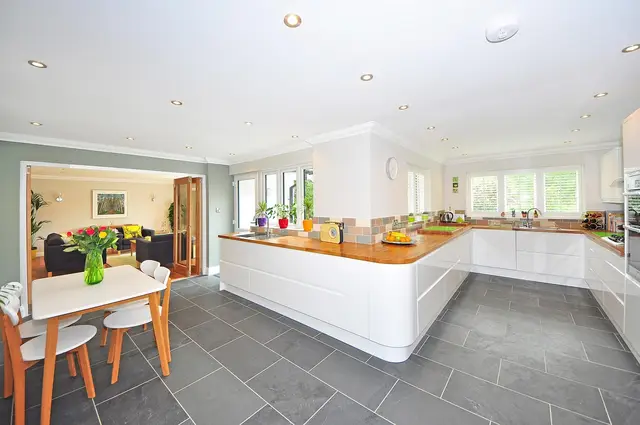
Design and sell fitted wardrobes, kitchens and storage from home, using trade suppliers and local fitters.
- £1.5k-6k
- Side hustle
- Out and about
Online tennis shop with racket stringing
Sell rackets, strings, balls and accessories online, and add stringing as a service for local players.
- £1.5k-6k
- Side hustle
- Online
Photo: Carola68 on Pixabay