Mobility and daily living showroom
Open a local shop where people can try, buy and hire mobility aids, with friendly advice and after-sales help.

- £25k-80k
- Full-time
- Own premises
Estimates for a small start in the UK, not guarantees.
Official data
2,916 UK companies in this field, 25% registered in the last 2 years
SIC 47749 “Retail sale of medical and orthopaedic goods in specialised stores (not incl. hearing aids) n.e.c.”. Source: Companies House, November 2026.
What it is
A small shop or showroom selling and hiring mobility aids and daily living equipment, such as walkers, rise-and-recline chairs, scooters, bathing aids and small home aids, with a try-before-you-buy service.
Your first three steps
- Visit local shops and talk to occupational therapists and carers' groups to find what is missing in your area
- Open trade accounts with several UK suppliers and ask about display stock, training and finance terms
- Shortlist units with step-free access and parking, and check rent, rates and any change of use needed
Who pays
Disabled and older people, family carers, care homes and sometimes private buyers guided by an occupational therapist.
How it makes money
Retail margin on sales, hire fees, delivery and set-up charges, and repair or servicing work. Care home accounts can add steady orders.
Skills that help
- Knowing the products and fitting them to people's needs
- Patient, respectful customer service
- Stock control and basic retail management
Watch out for
- Check the safety marking and legal responsibilities for each product type you sell, especially powered items
- Check VAT relief rules for eligible disabled customers before setting prices
- Public liability, product liability and stock insurance are worth checking, plus employer's liability once you hire
- Shop premises costs such as rent, business rates and fit-out can be high, so test demand first
- Be careful not to give medical advice; refer people to health professionals when needed
Deep research report · UK
Everything you need to start: mobility and daily living showroom
Researched with live web search for United Kingdom: real startup prices, the licences and rules, what others charge, a break-even example, how to find your first customers and a 30-day launch plan. With sources.
- Startup costs with real prices
- Licences, registration and rules
- Pricing: what others charge
- Break-even example
- Finding your first customers
- 30-day launch plan
- Risks and how to reduce them
Questions people ask
How much does it cost to start a mobility aids shop?
Startup costs are estimated at typically around £25,000 to £80,000, depending on your premises, fit-out and how much stock you buy. Shop costs such as rent, business rates and fit-out can be high, so test demand first.
How much can a mobility showroom bring in?
Estimated monthly revenue is typically around £6,000 to £30,000, depending on your location, product range and how much you hire out. This is revenue, not profit, so allow for rent, stock and running costs.
What should I check before selling mobility aids?
Check the safety marking and legal responsibilities for each product type, especially powered items. Also check VAT relief rules for eligible disabled customers and your insurance cover, and refer people to health professionals rather than giving medical advice.
Other ways to run this business

Online daily living aids shop
Sell grab rails, dressing aids, kitchen helpers and other small daily living products to disabled people and carers online.
- £1.5k-7.5k
- Side hustle
- Online

Mobility equipment hire with delivery
Hire out wheelchairs, scooters and walkers for holidays, recovery or events, delivered and collected by you.
- £5k-25k
- Part-time
- Out and about
Similar health and wellness ideas

Heated Bikram yoga studio
Open a dedicated heated studio with timetabled classes, memberships and drop-in passes.
- £25k-90k
- Full-time
- Own premises

Small community sauna in a rented space
Fit out a small unit, barn or garden site with a sauna and sell timed sessions all year round.
- £20k-90k
- Part-time
- Own premises
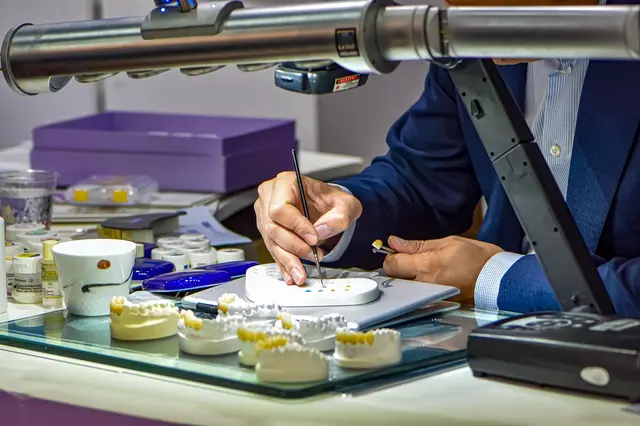
Small independent dental lab
Make crowns, bridges and dentures to order for local dental practices from a small workshop unit.
- £15k-60k
- Full-time
- Own premises
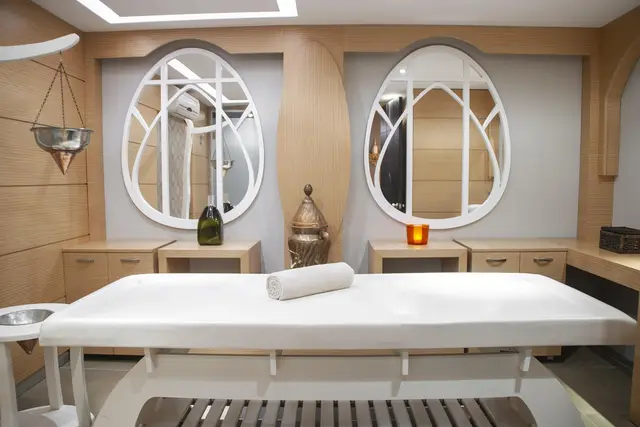
Small day spa with treatment rooms
Rent a small unit and fit out treatment rooms for facials, massage and body care, with a small team.
- £15k-60k
- Full-time
- Own premises

Mobility aids showroom
Open a small local shop where people try, buy or hire mobility aids with proper advice.
- £15k-60k
- Full-time
- Own premises
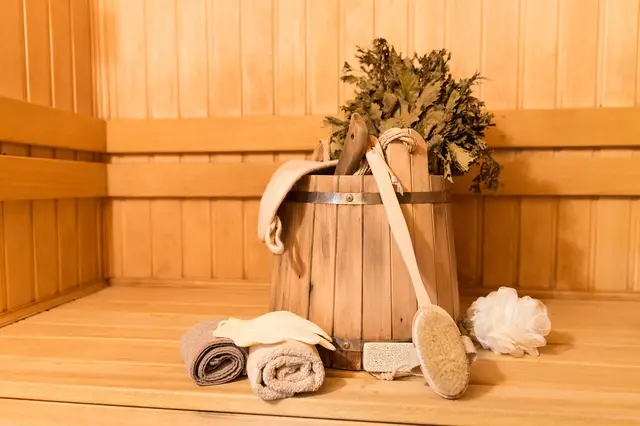
Neighbourhood sauna with bookable sessions
Open a small sauna in a rented unit, garden or lakeside plot, with public and private group sessions booked online.
- £15k-60k
- Part-time
- Own premises
Photo: 42073831 on Pixabay