Online daily living aids shop
Sell grab rails, dressing aids, kitchen helpers and other small daily living products to disabled people and carers online.

- £1.5k-7.5k
- Side hustle
- Online
Estimates for a small start in the UK, not guarantees.
Official data
2,916 UK companies in this field, 25% registered in the last 2 years
SIC 47749 “Retail sale of medical and orthopaedic goods in specialised stores (not incl. hearing aids) n.e.c.”. Source: Companies House, November 2026.
What it is
A website selling smaller daily living aids such as reachers, jar openers, bath and toilet aids, and easy-grip kitchen tools. You can hold a little stock at home or have the supplier send orders direct.
Your first three steps
- Open trade accounts with two or three UK wholesalers and compare prices, returns policies and delivery times
- Pick a clear niche, such as bathroom safety or arthritis-friendly kitchen aids, and build a simple online shop with plain-English descriptions
- Ask a local carers' group or occupational therapist to look over your range and tell you what people struggle to find
Who pays
Disabled people, older people, family carers, and sometimes occupational therapists, care homes and small care providers.
How it makes money
You earn the margin between wholesale and retail price on each item. Bundles, bulk orders for care homes and helpful advice content can raise the average order.
Skills that help
- Patient, friendly customer service
- Basic website and product listing skills
- Organised stock and order handling
Watch out for
- Check that products carry the correct safety marking for the UK and that your suppliers can show it
- Check the rules on VAT relief for eligible disabled customers before setting your prices
- Don't give medical advice; point customers to their GP or occupational therapist when unsure
- Distance selling rules on returns and refunds apply, so check your policy
- Public liability and product liability insurance are worth checking
Deep research report · UK
Everything you need to start: online daily living aids shop
Researched with live web search for United Kingdom: real startup prices, the licences and rules, what others charge, a break-even example, how to find your first customers and a 30-day launch plan. With sources.
- Startup costs with real prices
- Licences, registration and rules
- Pricing: what others charge
- Break-even example
- Finding your first customers
- 30-day launch plan
- Risks and how to reduce them
Questions people ask
How much does it cost to start a daily living aids shop online?
Startup costs are typically around £1,500 to £7,500, depending on your website, how much stock you hold and whether suppliers send orders direct. These are estimates, so compare supplier terms before you commit.
How much can an online daily living aids shop earn?
Monthly revenue is typically estimated at around £600 to £3,000, depending on your range, pricing and how many customers and carers you reach. This is revenue before stock, fees and other costs.
What rules should I check before selling daily living aids?
Check that products carry the correct UK safety marking and that suppliers can show it. Also check VAT relief rules for eligible disabled customers, distance selling rules on returns, and public liability and product liability insurance. Avoid giving medical advice.
Other ways to run this business

Mobility equipment hire with delivery
Hire out wheelchairs, scooters and walkers for holidays, recovery or events, delivered and collected by you.
- £5k-25k
- Part-time
- Out and about

Mobility and daily living showroom
Open a local shop where people can try, buy and hire mobility aids, with friendly advice and after-sales help.
- £25k-80k
- Full-time
- Own premises
Similar health and wellness ideas

Hot yoga classes in a rented room
Start small by teaching heated yoga in a hired hall or studio before you commit to your own unit.
- £1.5k-7.5k
- Side hustle
- Own premises

Thai massage clinic in a rented room
Rent a treatment room or small unit and build a full-time Thai massage practice.
- £1.5k-7k
- Part-time
- Own premises
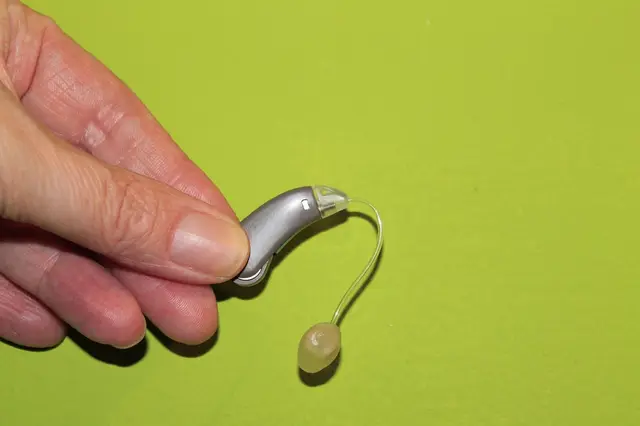
Hearing aid repair bench
Repair and service hearing aids from a small home workshop, for dispensers and users who post them in.
- £1.5k-7k
- Part-time
- From home
Kinesiology clinic in a rented therapy room
Rent a treatment room by the hour or day in a wellbeing centre and build a regular client base for kinesiology sessions.
- £2.5k-7k
- Part-time
- Own premises
Social day club in a hired hall
Start with one or two days a week in a church or community hall, offering lunch, activities and company for older adults.
- £2k-8k
- Part-time
- Own premises
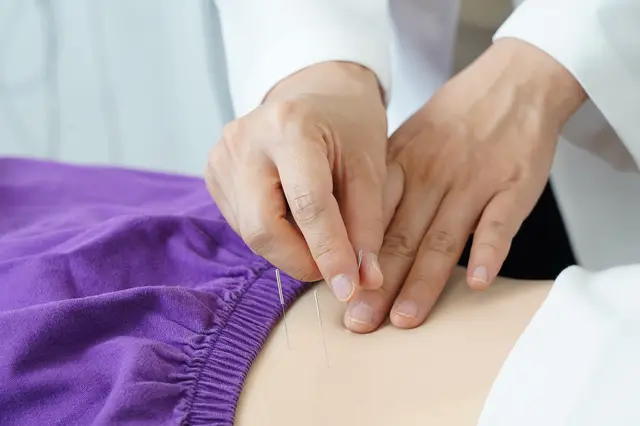
Chinese medicine practice from a rented clinic room
See acupuncture and herbal medicine clients in a room hired by the day or half-day at a therapy centre.
- £1.5k-6k
- Side hustle
- Own premises
Photo: 42073831 on Pixabay