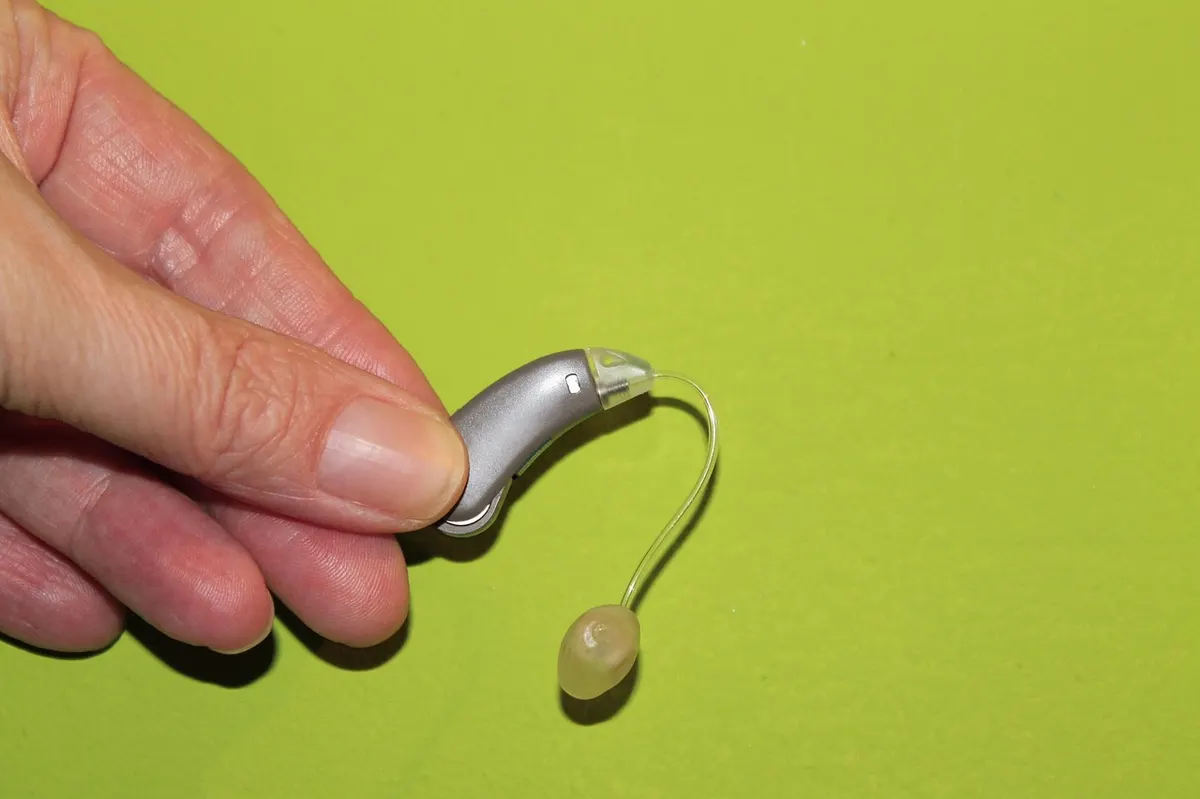
Hearing aid repair bench
Repair and service hearing aids from a small home workshop, for dispensers and users who post them in.
- £1.5k-7k
- Part-time
- From home
Estimates for a small start in the UK, not guarantees.
Official data
1,521 UK companies in this field, 39% registered in the last 2 years
SIC 95290 “Repair of personal and household goods n.e.c.”. Source: Companies House, November 2026.
What it is
A small repair bench where you fix, clean and service hearing aids: replacing tubing, microphones, receivers, buttons and battery doors, and deep cleaning. Work arrives by post or drop-off, and you return the repaired aids.
Your first three steps
- Get some training or work experience in hearing aid or small electronics repair, and ask suppliers what parts and technical support they offer to independent repairers
- Set up a clean, well-lit bench with a microscope, ultrasonic cleaner and test equipment, then price a small set of standard repairs
- Contact local independent dispensers and audiology practices to offer a trial batch of repairs at a fair price
Who pays
Independent hearing aid dispensers, audiology practices, care providers and private hearing aid users who want a quicker or cheaper repair.
How it makes money
A fixed price per repair or service, plus postage. Trade accounts with dispensers can bring regular batches of work.
Skills that help
- Fine detailed hand work, ideally with some electronics or soldering experience
- Patient fault-finding
- Clear, friendly communication with customers and dispensers
Watch out for
- Check whether manufacturers restrict access to parts, software or warranty repairs for independent repairers
- Check whether your work counts as a medical device activity under MHRA rules, and whether any professional registration applies
- Public liability and product or professional indemnity insurance, as a poor repair affects someone's hearing
- Handling customers' devices and personal details safely, including data protection basics
- Check whether running a workshop from home needs permission from your landlord, mortgage lender or council
Deep research report · UK
Everything you need to start: hearing aid repair bench
Researched with live web search for United Kingdom: real startup prices, the licences and rules, what others charge, a break-even example, how to find your first customers and a 30-day launch plan. With sources.
- Startup costs with real prices
- Licences, registration and rules
- Pricing: what others charge
- Break-even example
- Finding your first customers
- 30-day launch plan
- Risks and how to reduce them
Questions people ask
How much does it cost to start a hearing aid repair business?
Estimates suggest startup costs are typically around £1,500 to £7,000, depending on the tools, parts and workshop equipment you buy, and how much you spend on insurance and setting up your workspace.
How much can a hearing aid repair bench earn?
Estimated monthly revenue is typically around £800 to £4,000, depending on how many dispensers and private customers send work and what you charge per repair. Revenue is not the same as profit.
What rules should I check before repairing hearing aids?
Check whether manufacturers restrict access to parts, software or warranty repairs, and whether your work counts as a medical device activity under MHRA rules. Also check insurance, data protection, and whether home workshop use needs permission.
Other ways to run this business
Similar health and wellness ideas

Thai massage clinic in a rented room
Rent a treatment room or small unit and build a full-time Thai massage practice.
- £1.5k-7k
- Part-time
- Own premises

Kinesiology clinic in a rented therapy room
Rent a treatment room by the hour or day in a wellbeing centre and build a regular client base for kinesiology sessions.
- £2.5k-7k
- Part-time
- Own premises

Online daily living aids shop
Sell grab rails, dressing aids, kitchen helpers and other small daily living products to disabled people and carers online.
- £1.5k-7.5k
- Side hustle
- Online

Hot yoga classes in a rented room
Start small by teaching heated yoga in a hired hall or studio before you commit to your own unit.
- £1.5k-7.5k
- Side hustle
- Own premises
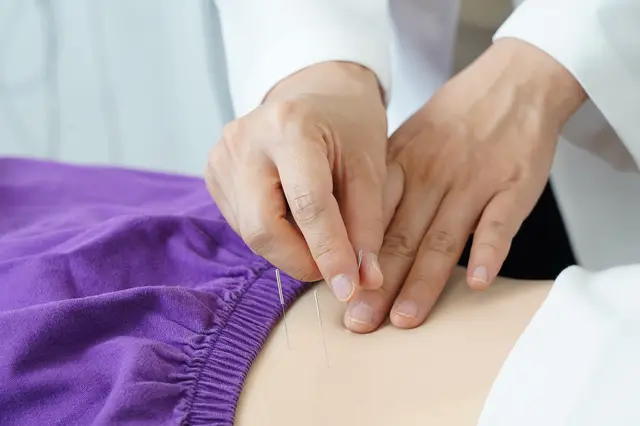
Chinese medicine practice from a rented clinic room
See acupuncture and herbal medicine clients in a room hired by the day or half-day at a therapy centre.
- £1.5k-6k
- Side hustle
- Own premises

Visiting occupational health adviser
Visit small and mid-sized employers to run health checks, screenings and fitness-for-work assessments on site.
- £1.5k-6k
- Part-time
- Out and about
Photo: kalhh on Pixabay