Local music school with teachers
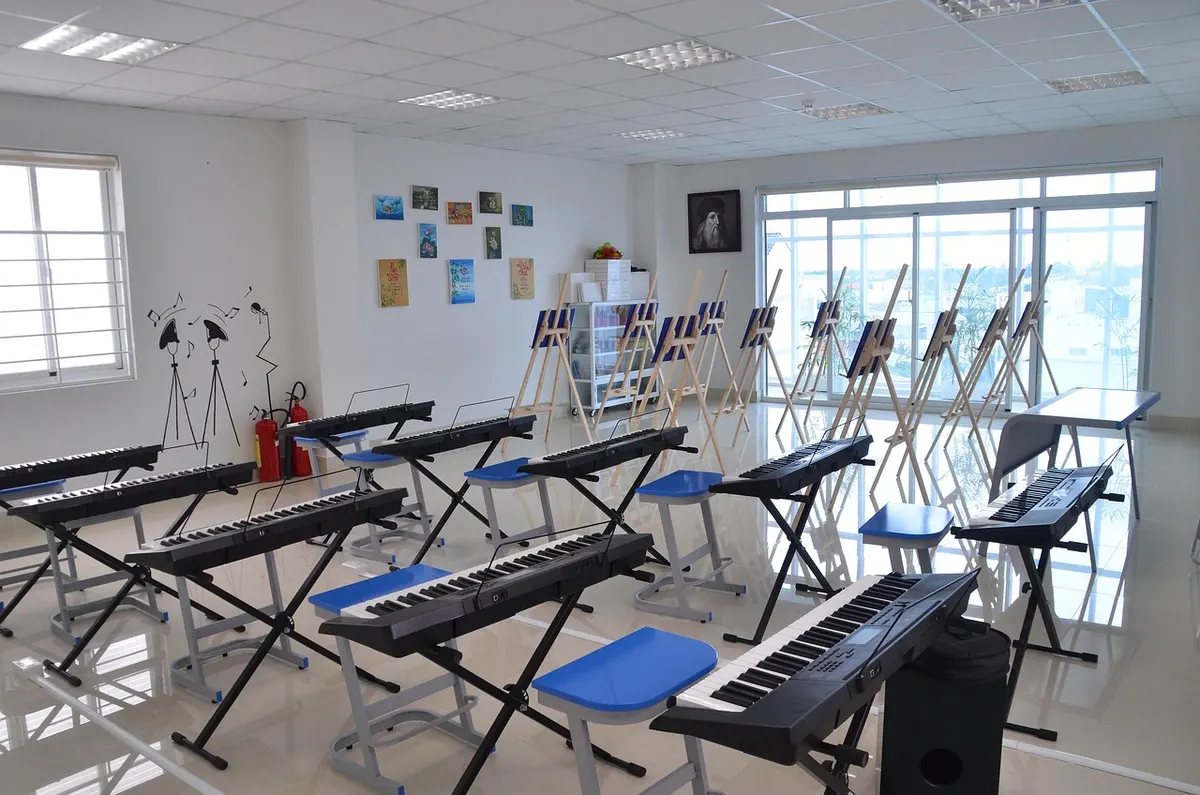
Rent a small space and run a music school with several teachers and termly fees.
- £2k-10k
- Part-time
- Own premises
Estimates for a small start in the UK, not guarantees.
What it is
A music school based in rented rooms, such as a unit, church hall or shared studio, with you and other self-employed teachers covering different instruments and singing.
Your first three steps
- Start with a small waiting list of pupils and a couple of teachers you trust before committing to a lease
- Look at rooms that rent by the hour or day, such as community centres, church halls or shared studios
- Set up a simple booking and payment system and write clear terms for fees, absences and teacher arrangements
Who pays
Families looking for lessons in one place, adult learners and sometimes schools buying in tuition.
How it makes money
Pupils pay termly or monthly fees. You keep the difference between what pupils pay and what you pay teachers and room costs, plus any group classes or ensembles you run.
Skills that help
- Teaching or musical leadership
- Organising timetables and rooms
- Managing and supporting other teachers
- Basic bookkeeping and marketing
Watch out for
- Rent and room costs are a fixed risk if pupil numbers drop, so avoid long leases early on
- Check planning and use class rules with your council, and any lease restrictions on noise
- Public liability insurance, and employer's liability insurance if you hire employees
- Check whether teachers are genuinely self-employed or count as employees, using HMRC guidance
- Safeguarding: enhanced DBS checks for staff working with children and a written policy
- Check any music licensing needs for performances or recorded music on the premises
Deep research report · UK
Everything you need to start: local music school with teachers
Researched with live web search for United Kingdom: real startup prices, the licences and rules, what others charge, a break-even example, how to find your first customers and a 30-day launch plan. With sources.
- Startup costs with real prices
- Licences, registration and rules
- Pricing: what others charge
- Break-even example
- Finding your first customers
- 30-day launch plan
- Risks and how to reduce them
Questions people ask
How much does it cost to start a music school?
Estimates suggest startup costs typically around £2,000 to £10,000, depending on the rooms you rent and the equipment you need. Rent and room costs are a fixed risk if pupil numbers drop, so avoid long leases early on.
How much can a music school earn?
Estimated monthly revenue is typically around £1,500 to £7,500, depending on pupil numbers, termly fees and how many teachers you work with. The estimates assume at least about 15 hours a week of your time.
What rules should I check before opening a music school?
Check planning and use class rules with your council, and any lease restrictions on noise. Also check whether teachers are genuinely self-employed using HMRC guidance, your insurance cover, and enhanced DBS checks for staff working with children.
Other ways to run this business

Home music teaching studio
Teach instrument or singing lessons from a spare room to local children and adults.
- £150-1k
- Side hustle
- From home

Online music lessons
Teach instrument or singing lessons by video call to pupils anywhere in the UK.
- £100-600
- Side hustle
- Online
Similar teaching and tutoring ideas
Small maths tuition centre
Rent a small room or unit and run after-school maths classes for several pupils at a time.
- £2k-10k
- Part-time
- Own premises

Independent driving instructor
Qualify as an approved driving instructor and teach learners in your own dual-control car, setting your own hours and prices.
- £3k-10k
- Part-time
- Out and about
Weekend trade skills courses
Teach beginners hands-on skills like carpentry, tiling or plastering in a rented workshop, on evenings and weekends.
- £2k-10k
- Side hustle
- Own premises
Summer English day camp
Run a holiday day camp in a hired school or hall, mixing English lessons and activities for young learners.
- £3k-10k
- Part-time
- Own premises
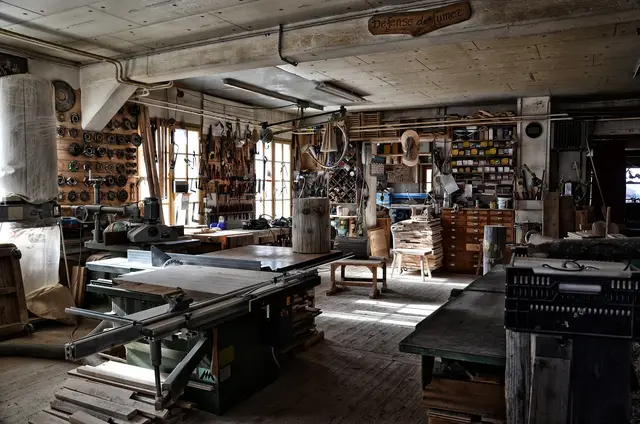
Beginner woodworking classes in a workshop
Teach small groups to make simple pieces like spoons, boards and stools in a rented or shared workshop.
- £2k-10k
- Part-time
- Own premises
Local study centre with tuition
Rent a small unit and offer quiet study space and small-group tuition to local students.
- £3k-12k
- Part-time
- Own premises
Photo: nhicnttcantho on Pixabay