Beginner Woodworking Classes in a Workshop
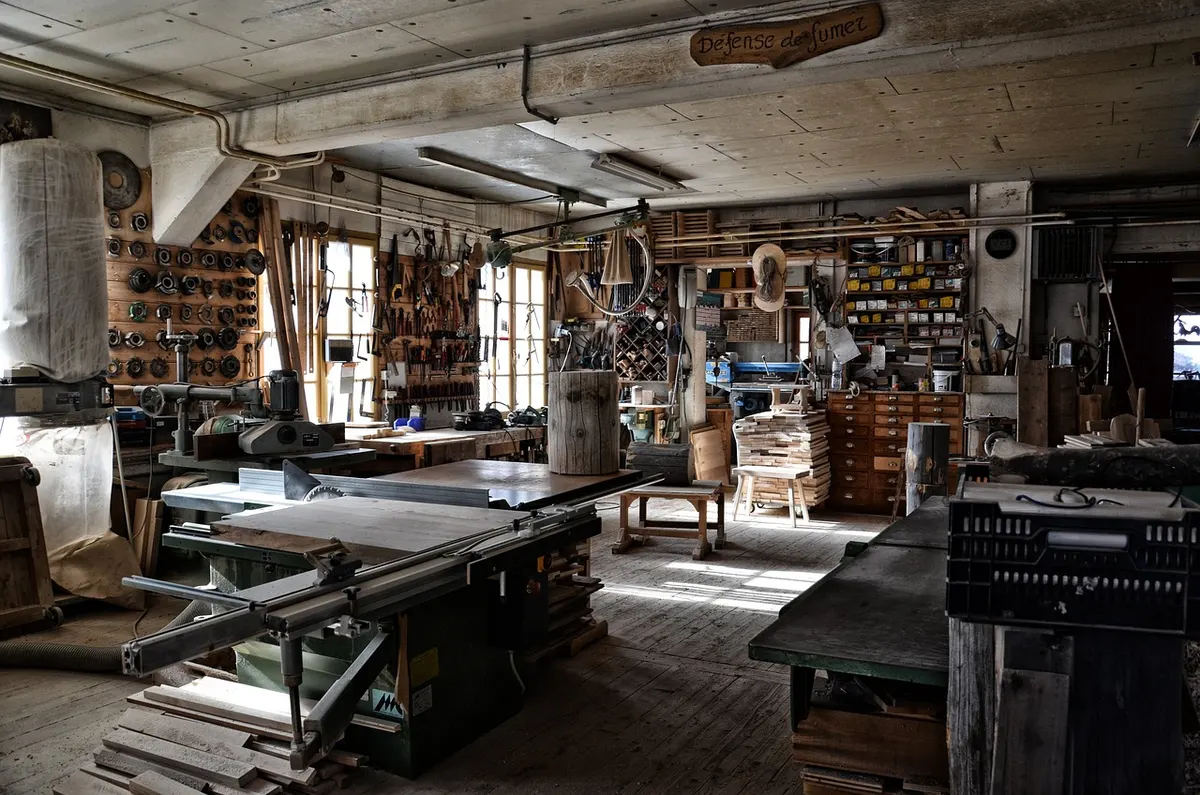
Teach small groups to make simple pieces like spoons, boards and stools in a rented or shared workshop.
- £2k-10k
- Part-time
- Own premises
Estimates for a small start in the UK, not guarantees.
What it is
Taster sessions and short courses for beginners and hobbyists, taught in a workshop with benches and hand tools. Students leave with something they have made.
Your first three steps
- Plan one beginner project that can be finished in a half day and cost out the materials
- Find a unit, shared workshop or makerspace you can hire by the day and get a quote
- Run a test class for friends or local people at a reduced price and collect feedback and photos
Who pays
Adults wanting a new hobby, gift buyers, couples and friends booking together, and sometimes small companies looking for team activities.
How it makes money
A fee per person for a single session or a multi-week course, plus extra for materials. Private group bookings can be priced higher.
Skills that help
- Solid woodworking ability and safe tool use
- Patient, clear teaching
- Basic organising and booking admin
Watch out for
- Public liability insurance that covers teaching and students using tools
- Risk assessments, safety briefings and dust and noise controls in the workshop
- Check with your landlord and council about permitted use of the premises
- Class sizes should match the number of benches and the supervision you can give
- Check how you will handle under-18s and any safeguarding needs
🔒 Full research report for UK
Real cost breakdown with current prices, licences and registration checklist, local competition, pricing, break-even and a 30-day launch plan, with sources.
Coming soonQuestions people ask
How much does it cost to start woodworking classes?
Estimated startup costs are typically around £2,000 to £10,000, depending on your workshop space, benches and tools. Public liability insurance that covers teaching and students using tools is worth checking.
How much can woodworking classes earn?
Monthly revenue is typically estimated at around £600 to £4,000, depending on class sizes, how often you run sessions and your pricing. Class sizes should match the number of benches and the supervision you can give.
What rules and safety points should I check for teaching woodworking?
Check public liability insurance covering teaching, plus risk assessments, safety briefings and dust and noise controls. Also check with your landlord and council about permitted use of the premises, and how you will handle under-18s and safeguarding.
Other ways to run this business
Similar teaching and tutoring ideas

Small maths tuition centre
Rent a small room or unit and run after-school maths classes for several pupils at a time.
- £2k-10k
- Part-time
- Own premises

Independent driving instructor
Qualify as an approved driving instructor and teach learners in your own dual-control car, setting your own hours and prices.
- £3k-10k
- Part-time
- Out and about
Weekend trade skills courses
Teach beginners hands-on skills like carpentry, tiling or plastering in a rented workshop, on evenings and weekends.
- £2k-10k
- Side hustle
- Own premises
Local music school with teachers
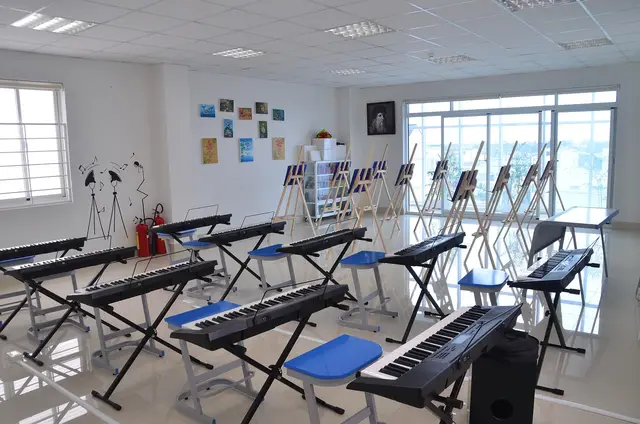
Rent a small space and run a music school with several teachers and termly fees.
- £2k-10k
- Part-time
- Own premises
Summer English day camp
Run a holiday day camp in a hired school or hall, mixing English lessons and activities for young learners.
- £3k-10k
- Part-time
- Own premises

Local study centre with tuition
Rent a small unit and offer quiet study space and small-group tuition to local students.
- £3k-12k
- Part-time
- Own premises
Photo: ThMilherou on Pixabay