Orthopaedic and mobility supplies shop
Open a small shop selling braces, supports and mobility aids to people recovering from injury or living with a condition.
- £15k-60k
- Full-time
- Own premises
Estimates for a small start in the UK, not guarantees.
Official data
2,916 UK companies in this field, 25% registered in the last 2 years
SIC 47749 “Retail sale of medical and orthopaedic goods in specialised stores (not incl. hearing aids) n.e.c.”. Source: Companies House, November 2026.
What it is
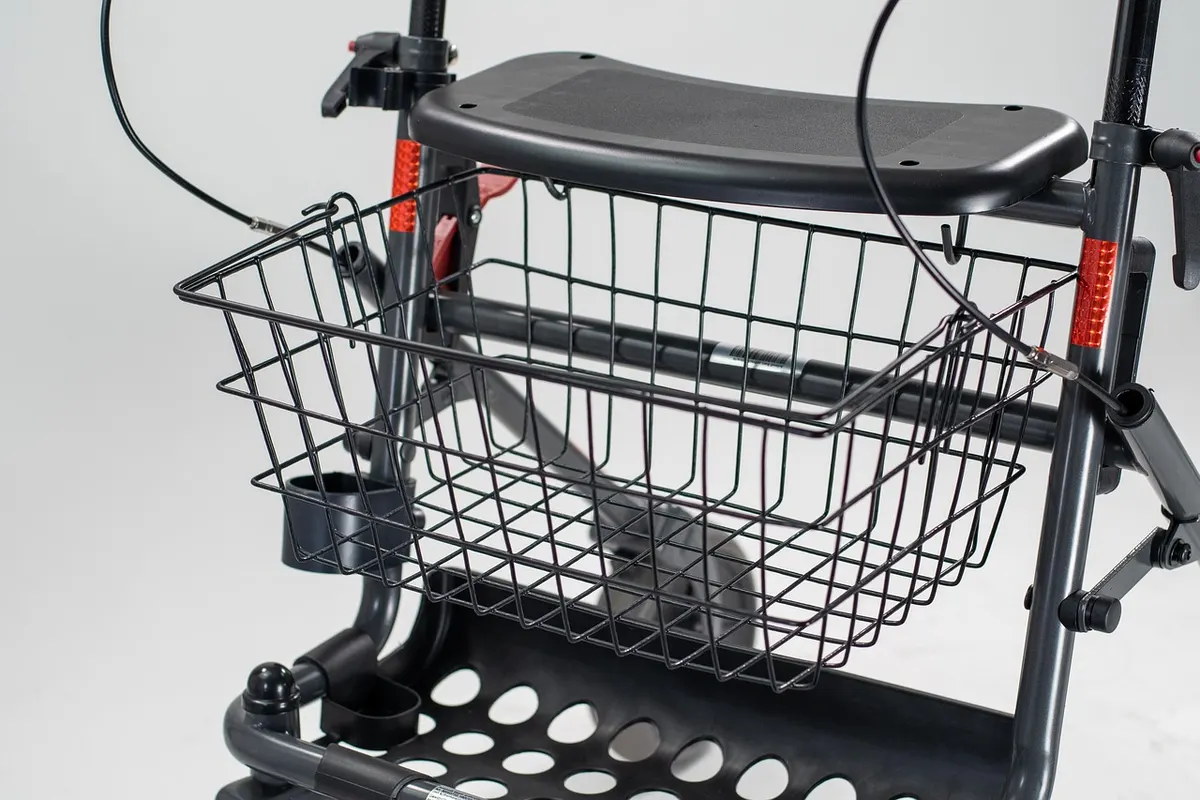
A small high street or retail unit stocking products such as knee and ankle supports, back braces, walking sticks, walking frames, compression wear and daily living aids, with friendly advice on choosing the right item.
Your first three steps
- Visit local shops and look at online prices to see what is already available in your area, and which gaps you could fill
- Contact a few wholesalers and suppliers to compare trade prices, minimum orders and returns terms
- Price up a small unit, shop fit-out and opening stock, then check the lease terms and business rates before committing
Who pays
Individual customers, including older people, people recovering from injuries or surgery, and family members buying on their behalf.
How it makes money
Retail margin on products sold, plus add-ons such as accessories, replacement parts and simple adjustments. Repeat custom comes from people who need ongoing support items.
Skills that help
- Friendly, patient customer service
- Learning product ranges and how they are used
- Stock buying and cash management
- Knowing when to refer to a health professional
Watch out for
- Some products may be classed as medical devices, so check with the supplier and the MHRA that items carry the right markings (such as UKCA or CE) and can be sold to the public
- Avoid giving medical advice or claiming a product treats a condition; check what you can say and when to suggest customers see a GP or physio
- Public liability and product liability insurance, plus stock and contents cover
- Shop premises need a lease, business rates and possibly planning use permission, so check with the landlord and your council
- Slow stock turnover can tie up cash, so start with a focused range
Deep research report · UK
Everything you need to start: orthopaedic and mobility supplies shop
Researched with live web search for United Kingdom: real startup prices, the licences and rules, what others charge, a break-even example, how to find your first customers and a 30-day launch plan. With sources.
- Startup costs with real prices
- Licences, registration and rules
- Pricing: what others charge
- Break-even example
- Finding your first customers
- 30-day launch plan
- Risks and how to reduce them
Questions people ask
How much does it cost to open an orthopaedic supplies shop?
Estimates are typically around £15,000 to £60,000, depending on the premises, fit-out, opening stock and insurance. Slow stock turnover can tie up cash, so a focused starting range may help.
How much can an orthopaedic and mobility shop earn?
Monthly revenue is typically estimated at around £4,000 to £20,000, depending on location, range and footfall. This is revenue, not profit, so allow for stock, rent, business rates and insurance.
What rules apply to selling orthopaedic and mobility products?
Check with your supplier and the MHRA that products carry the right markings, such as UKCA or CE, and can be sold to the public. Check what you can say about conditions, and when to suggest customers see a GP or physio.
Other ways to run this business
Similar retail ideas
Independent menswear shop
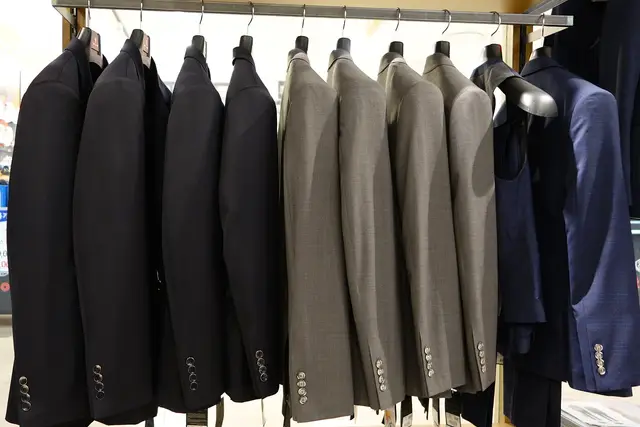
Open a small local shop selling shirts, trousers and suits, with fitting advice customers can't get online.
- £15k-60k
- Full-time
- Own premises

Local Judaica shop
Open a small shop near a Jewish community selling ritual items, books and gifts, with advice and personal service.
- £15k-60k
- Full-time
- Own premises

Computer parts distributor from a small unit
Hold stock of components and systems in a small unit and supply local resellers and repair shops quickly.
- £15k-60k
- Full-time
- Own premises

Local stationery and office supplies shop
Run a small high street shop selling stationery, paper and office basics to nearby businesses, schools and households.
- £15k-60k
- Full-time
- Own premises
Handmade wooden furniture showroom
Open a small shop showing solid wood, traditional-style furniture made by local craftspeople, with made-to-order options.
- £15k-60k
- Full-time
- Own premises
Motorcycle parts and gear shop
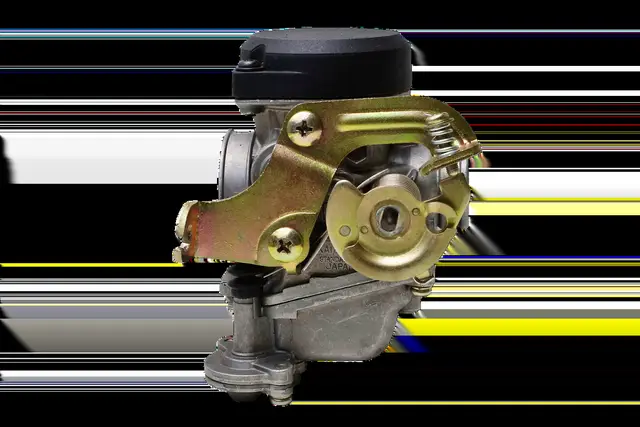
Open a small local shop selling parts, accessories and riding gear to riders and workshops.
- £15k-60k
- Full-time
- Own premises
Photo: Sani-aktiv on Pixabay