Online mobility and support products shop
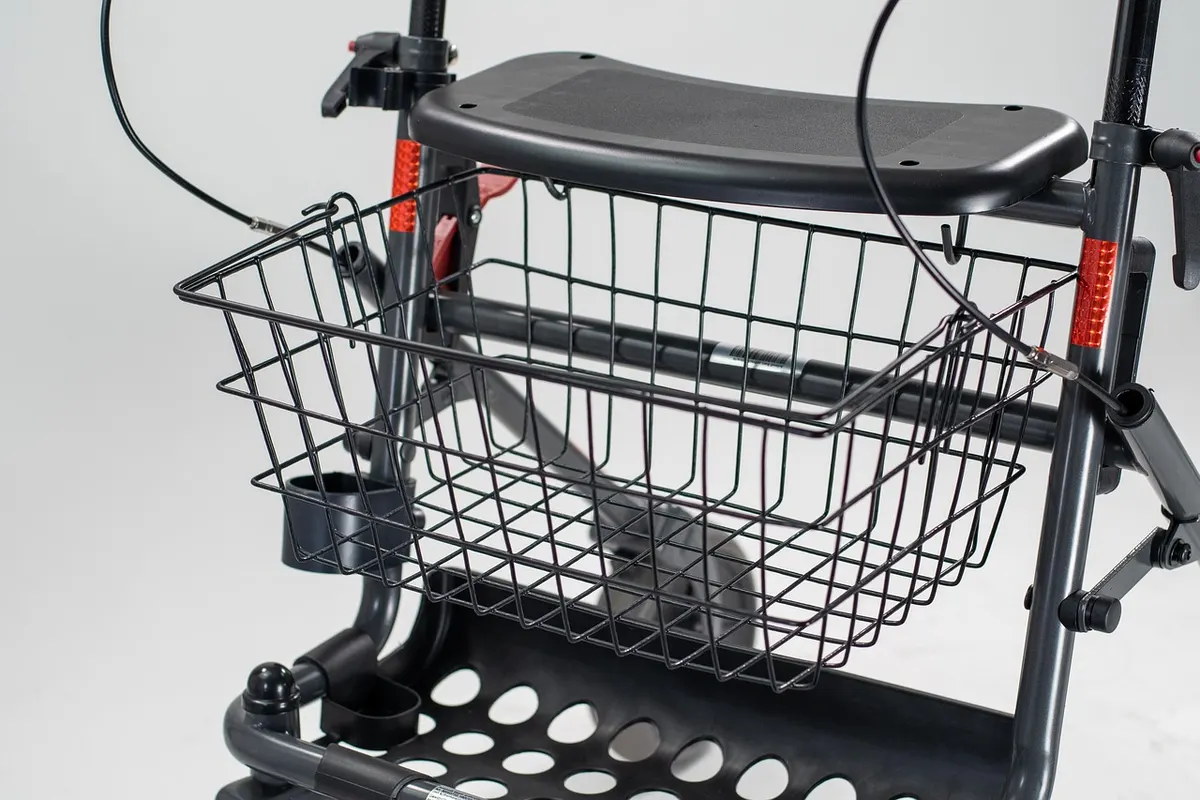
Sell braces, supports and daily living aids from a website, run from home with stock on a shelf or sent by your supplier.
- £1k-5k
- Side hustle
- Online
Estimates for a small start in the UK, not guarantees.
Official data
2,916 UK companies in this field, 25% registered in the last 2 years
SIC 47749 “Retail sale of medical and orthopaedic goods in specialised stores (not incl. hearing aids) n.e.c.”. Source: Companies House, November 2026.
What it is
An online shop focused on a niche such as sports supports, post-surgery recovery items or daily living aids, with clear product guides and easy returns. You can hold a small amount of stock at home or use suppliers who send direct to customers.
Your first three steps
- Choose a narrow niche and compare what established online sellers offer, including prices and delivery options
- Set up with two or three suppliers, ideally some offering dropshipping or small trade orders, and order samples to check quality
- Build a simple shop on an e-commerce platform and write product guides that help customers choose the right size and type
Who pays
Individual customers across the UK, including people recovering from injury, older people and carers buying for someone else.
How it makes money
Retail margin on each sale, with higher average orders from bundles and accessories. Repeat orders come from items that need replacing, such as supports and compression wear.
Skills that help
- Setting up and running an online shop
- Writing clear product descriptions
- Customer service by email and phone
- Stock and order management
Watch out for
- Some products may be classed as medical devices, so check with suppliers and the MHRA that items are correctly marked and can be sold to the public
- Distance selling rules give customers cancellation and returns rights, so check the consumer rules before you launch
- Avoid health claims you cannot back up, and check advertising rules
- Sizing errors lead to returns, so provide clear measuring guides
- Product liability and public liability insurance, plus a check on whether you can run stock from home under your tenancy or mortgage
Deep research report · UK
Everything you need to start: online mobility and support products shop
Researched with live web search for United Kingdom: real startup prices, the licences and rules, what others charge, a break-even example, how to find your first customers and a 30-day launch plan. With sources.
- Startup costs with real prices
- Licences, registration and rules
- Pricing: what others charge
- Break-even example
- Finding your first customers
- 30-day launch plan
- Risks and how to reduce them
Questions people ask
How much does it cost to start an online mobility products shop?
Estimates are typically around £1,000 to £5,000, depending on stock, website set-up, insurance and whether suppliers send direct to customers. Product liability and public liability insurance are worth budgeting for.
How much can an online supports and mobility shop earn?
Monthly revenue is typically estimated at around £500 to £4,000, depending on your niche, range and marketing. Sizing errors lead to returns, so clear measuring guides matter. This is revenue, not profit.
What rules should I check before selling braces and supports online?
Check with suppliers and the MHRA that items are correctly marked and can be sold to the public. Also check distance selling rules on cancellations and returns, and advertising rules so you avoid health claims you cannot back up.
Other ways to run this business
Similar retail ideas
Online refurbished phones and accessories
Sell tested second-hand phones, cases and chargers online from home, with simple repairs as an extra.
- £500-5k
- Side hustle
- Online
Online menswear shop
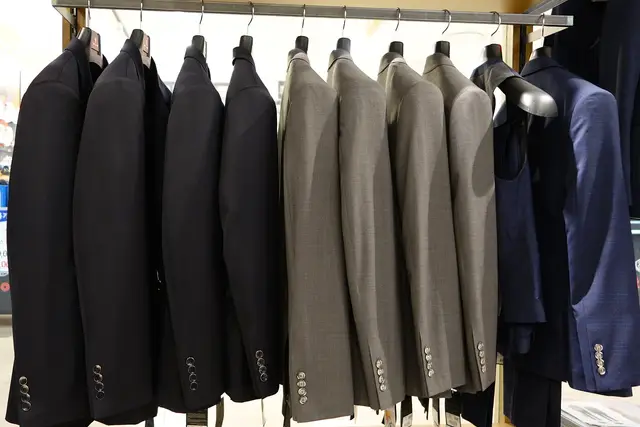
Sell shirts, trousers and smart wear to men through your own website or online marketplaces.
- £1k-5k
- Side hustle
- Online
Flamenco kit stall at classes and festivals
Bring flamenco shoes and dresswear to classes, workshops and festivals for try-on and same-day sales.
- £1k-5k
- Side hustle
- Out and about

Online fabric and haberdashery shop
Sell curated fabrics, trims and sewing supplies to UK makers through your own website or marketplaces.
- £1k-5k
- Side hustle
- Online
Online computer accessories shop
Sell keyboards, mice, cables and storage online from home to buyers across the UK.
- £1k-5k
- Side hustle
- Online
Delivery-only blocks, paving and slabs supplier
Sell concrete blocks, paving and slabs to builders and homeowners, with manufacturers delivering direct to site.
- £1k-5k
- Part-time
- From home
Photo: Sani-aktiv on Pixabay