Domestic plasterer for local homeowners
Skim walls and ceilings, patch up and re-plaster rooms for homeowners and landlords in your area.

- £800-4k
- Part-time
- Out and about
Estimates for a small start in the UK, not guarantees.
Official data
8,934 UK companies in this field, 26% registered in the last 2 years
SIC 43310 “Plastering”. Source: Companies House, November 2026.
What it is
Plastering rooms in people's homes: skimming walls and ceilings, patching after rewiring or damp work, and re-plastering whole rooms. You work on your own and travel to each job.
Your first three steps
- Get a plastering qualification or practise with an experienced plasterer if you are still learning the skim finish
- Buy a core set of tools and arrange public liability insurance
- Tell local builders, electricians and letting agents you are taking on work and ask neighbours for a first small job to photograph
Who pays
Homeowners, landlords, letting agents and small builders who need a room or two done.
How it makes money
Fixed price per room or per square metre, or a day rate. Repeat work and recommendations from local builders and electricians keep the diary full.
Skills that help
- Trained plastering skills (a college course or time as a plasterer's mate)
- Clean, tidy finish
- Quoting and measuring jobs
- Reliable timekeeping
Watch out for
- Public liability insurance, and check whether customers or builders ask for a minimum cover level
- Register as self-employed with HMRC; check whether the Construction Industry Scheme applies when working for builders
- Old plaster in older buildings can contain asbestos, so check before disturbing it
- Physical work with a risk of strain; plan your workload and rest
- Quote carefully, as hidden damp or poor walls can turn a small job into a big one
Deep research report · UK
Everything you need to start: domestic plasterer for local homeowners
Researched with live web search for United Kingdom: real startup prices, the licences and rules, what others charge, a break-even example, how to find your first customers and a 30-day launch plan. With sources.
- Startup costs with real prices
- Licences, registration and rules
- Pricing: what others charge
- Break-even example
- Finding your first customers
- 30-day launch plan
- Risks and how to reduce them
Questions people ask
How much does it cost to start a plastering business in the UK?
Startup costs are typically estimated at around £800 to £4,000, depending on your tools, equipment, insurance and transport. Your own situation, such as whether you already own trade kit, will move you within that range.
What rules and insurance should a domestic plasterer check?
Check you have public liability insurance, and whether customers or builders ask for a minimum cover level. Register as self-employed with HMRC and check whether the Construction Industry Scheme applies when working for builders. Check for asbestos in old plaster before disturbing it.
How much can a self-employed plasterer earn?
Monthly revenue is typically around £1,500 to £6,000, depending on how many jobs you take, their size and your hours. The estimates start from about 20 hours a week. Quote carefully, as hidden damp can turn a small job into a big one.
Other ways to run this business

Similar trades ideas
Plasterboarding for homeowners and builders
Fit and finish plasterboard walls and ceilings for extensions, lofts and renovations in local homes.
- £1k-4k
- Part-time
- Out and about
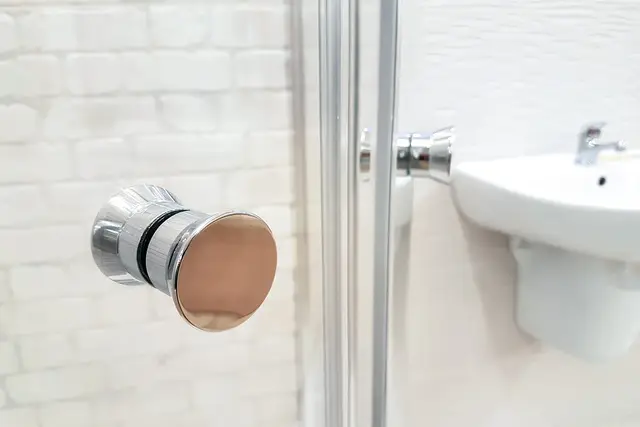
Mobile shower door supply and fit
Measure, supply and fit glass shower doors and enclosures at customers' homes, with no shop needed.
- £800-4k
- Side hustle
- Out and about

Home workshop instrument repairer
Repair and set up guitars, violins or brass from a spare room or garage for local players and teachers.
- £800-4k
- Side hustle
- From home

Home workshop upholsterer
Recover and repair chairs, sofas and footstools from a garage or spare outbuilding for local households.
- £800-4k
- Side hustle
- From home
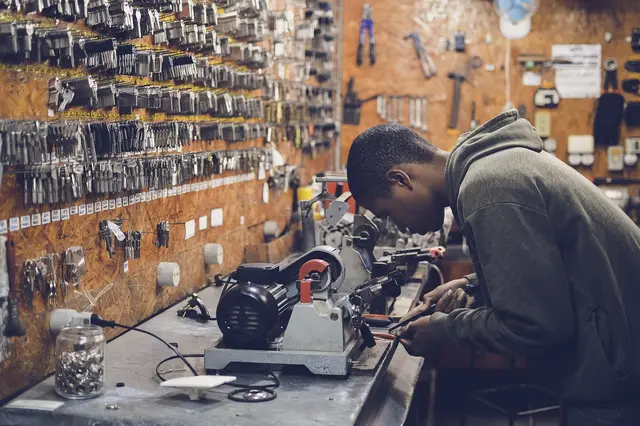
Mobile key cutting van or market stall
Take a portable key cutting machine to markets, car boots and customers' doors.
- £800-4k
- Side hustle
- Out and about
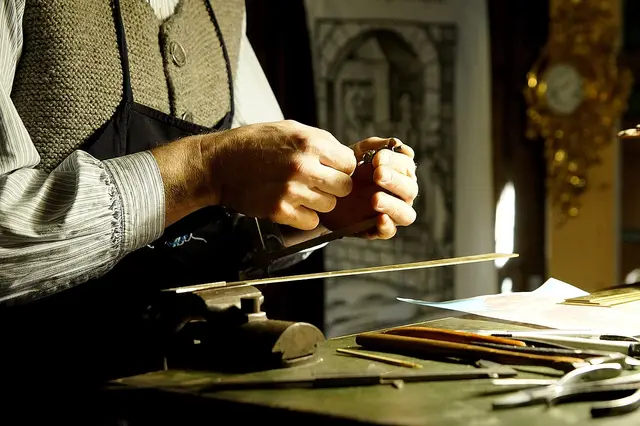
Home workshop clock repairer
Repair and service mantel, wall and longcase clocks from a bench at home, taking jobs from owners and dealers.
- £800-4k
- Side hustle
- From home