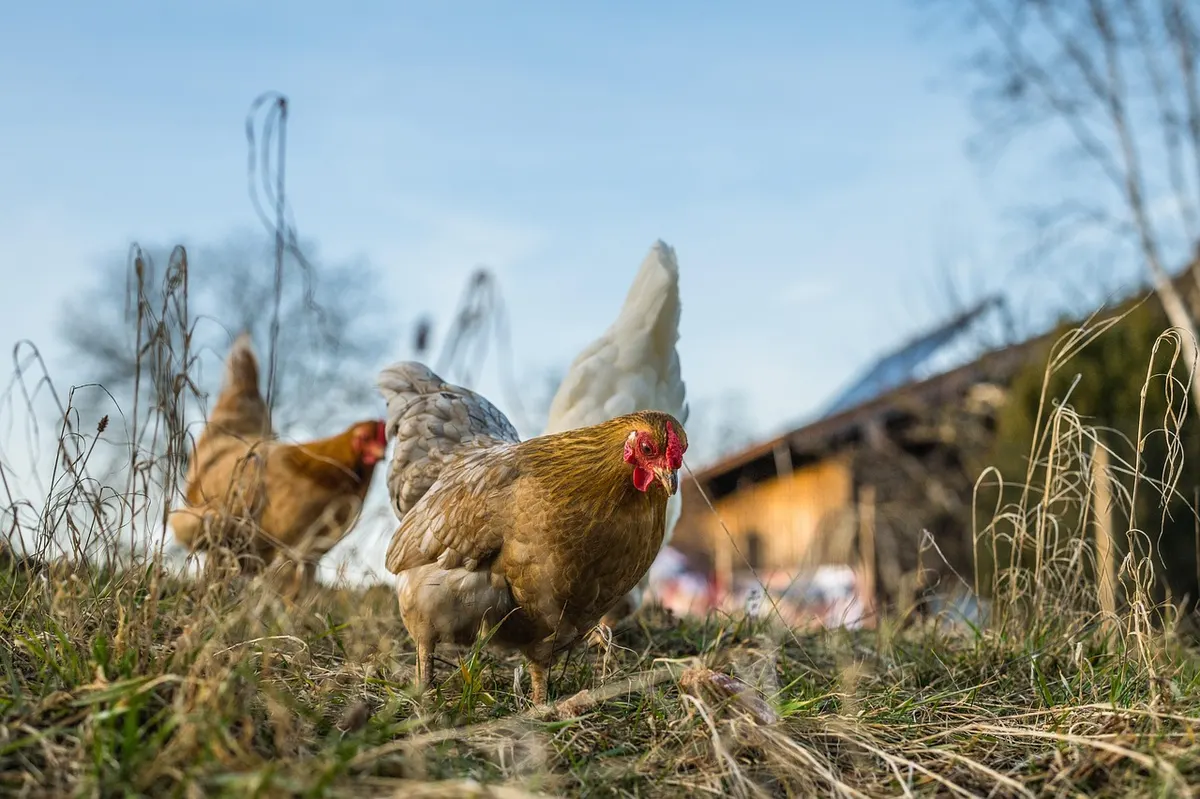
Small free-range egg flock
Keep a flock of hens on a small plot and sell fresh eggs locally from a roadside stall or to neighbours.
- £500-3k
- Side hustle
- From home
- Licence or permit needed
Estimates for a small start in the UK, not guarantees.
Official data
1,448 UK companies in this field, 14% registered in the last 2 years
SIC 01470 “Raising of poultry”. Source: Companies House, November 2026.
What it is
A small flock of laying hens, kept on your own or rented land, producing eggs you sell directly to local buyers. It can start in a garden or paddock and grow slowly.
Your first three steps
- Check the GOV.UK poultry keeping guidance and register your flock before you start trading, as bird registration is required above certain flock sizes and rules differ by nation
- Plan your coop, fencing and run, and price up feed and bedding for a flock of around 20 to 50 hens
- Start with a few regular customers nearby and set up a simple honesty box or order list
Who pays
Neighbours, local households, village shops, cafes and farm shop owners who want local eggs.
How it makes money
Eggs sold by the half dozen or dozen at a fixed price, plus occasional sales of point-of-lay hens. Income depends on flock size, feed costs and how many customers you have.
Skills that help
- Daily animal care
- Basic record keeping
- Selling directly to customers
Watch out for
- Check your registration duties before selling eggs: in Great Britain keepers of 50 or more birds must register with APHA, smaller keepers may be encouraged or required to register depending on nation, and Northern Ireland has its own scheme run by DAERA
- Check egg marketing and labelling rules if you sell beyond direct sales to the end customer, as larger producers and wholesale sales may need producer registration, grading and stamping
- Avian influenza rules may require housing orders and extra biosecurity, check current guidance
- Foxes and other predators, so budget for secure housing and fencing
- Planning permission or tenancy limits on keeping livestock, check with your council or landlord
- Public liability insurance if customers visit your site
Deep research report · UK
Everything you need to start: small free-range egg flock
Researched with live web search for United Kingdom: real startup prices, the licences and rules, what others charge, a break-even example, how to find your first customers and a 30-day launch plan. With sources.
- Startup costs with real prices
- Licences, registration and rules
- Pricing: what others charge
- Break-even example
- Finding your first customers
- 30-day launch plan
- Risks and how to reduce them
Questions people ask
How much does it cost to start keeping hens for eggs?
Startup costs are typically around £500 to £3,000, depending on the size of your flock and how much you spend on secure housing and fencing. These are estimates, so price up your own set-up before you buy any birds.
How much money can a small egg flock bring in?
Monthly revenue is typically around £150 to £750, depending on flock size and how you sell, for example to neighbours, village shops or cafes. This is revenue rather than profit, and feed and housing costs come out of it.
What rules should I check before selling eggs in the UK?
Check your registration duties with APHA, or DAERA in Northern Ireland, and egg marketing and labelling rules if you sell beyond direct sales. Also check avian influenza guidance, planning or tenancy limits on livestock, and public liability insurance.
Other ways to run this business

Similar farming and garden ideas

Home plant nursery selling online and locally
Grow perennials, herbs or veg plants in your garden and sell them through online listings, gate sales and local plant fairs.
- £500-3k
- Side hustle
- From home

Fertiliser sales agent for local farms
Arrange fertiliser and soil product orders for local farms and growers from home, earning a margin or commission without holding stock.
- £500-3k
- Side hustle
- From home

Roadside farm stall or honesty shop
Sell eggs, veg, honey and home-made goods from a small stall or hut at your farm gate or smallholding.
- £300-3k
- Side hustle
- Own premises

Part-time firewood and kindling seller
Buy in logs, season and bag them at home, then sell nets of firewood and kindling to local households.
- £500-3k
- Side hustle
- From home
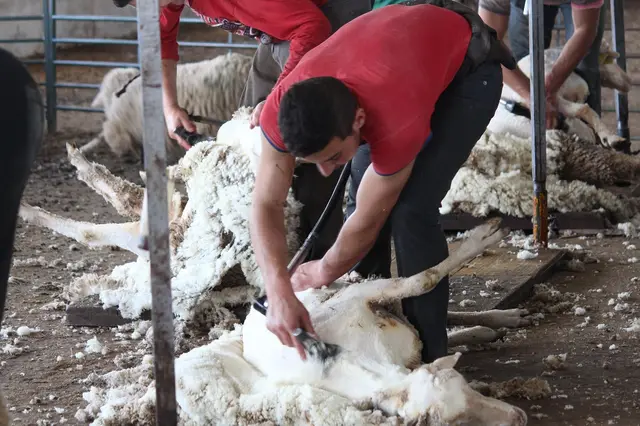
Seasonal sheep shearing contractor
Shear sheep on local farms and smallholdings through the summer clipping season, paid per animal.
- £800-3k
- Side hustle
- Out and about
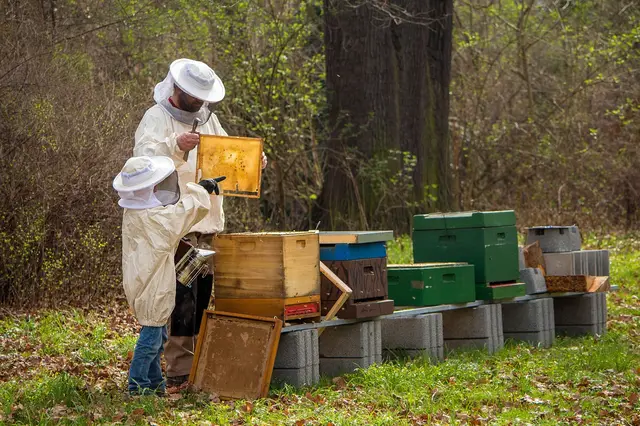
Small-scale local honey producer
Keep a handful of hives and sell jars of local honey at markets, to neighbours and to local shops.
- £600-2.5k
- Side hustle
- Out and about
Photo: munzelminka on Pixabay