Small rock music club with its own venue
Run a small live music venue with a bar, putting on rock nights and hiring the room to local promoters.

- £25k-120k
- Full-time
- Own premises
- Licence or permit needed
Estimates for a small start in the UK, not guarantees.
What it is
A small venue, often a few hundred capacity or less, with a stage, sound system and bar. It hosts gigs, club nights and hired-out events, mostly in the evenings and at weekends.
Your first three steps
- Visit similar venues, talk to local promoters and bands, and sketch a simple budget showing how many paying customers you need each night
- Look at available premises and ask the council's licensing team what a premises licence would involve for that location
- Book a few trial nights in an existing room to prove demand and build a mailing list before you sign a lease
Who pays
Gig-goers buying tickets and drinks, plus touring bands, local promoters and private hirers paying for the room.
How it makes money
Ticket income or door splits, bar takings (usually the biggest part), room hire to promoters, and extras such as merchandise commission or private parties.
Skills that help
- Booking bands and managing relationships
- Running a bar and a team of casual staff
- Marketing to a local music scene
- Careful cash and budget control
Watch out for
- A premises licence for alcohol and live music, plus a named premises supervisor with a personal licence (rules differ in Scotland, so check with your council)
- Music licensing such as PRS and PPL for performances and recorded music
- Noise complaints from neighbours, check planning use and soundproofing before committing to a lease
- Fire safety, capacity limits and a risk assessment
- Door staff may need SIA licences, and insurance should cover public liability, contents and employer's liability once you hire
- Thin margins and a high fixed rent, so test demand first
Deep research report · UK
Everything you need to start: small rock music club with its own venue
Researched with live web search for United Kingdom: real startup prices, the licences and rules, what others charge, a break-even example, how to find your first customers and a 30-day launch plan. With sources.
- Startup costs with real prices
- Licences, registration and rules
- Pricing: what others charge
- Break-even example
- Finding your first customers
- 30-day launch plan
- Risks and how to reduce them
Questions people ask
How much does it cost to open a small rock music venue?
Startup costs are typically around £25,000 to £120,000, depending on the premises, fit-out and sound equipment. Monthly revenue is estimated at around £8,000 to £40,000, depending on capacity, event nights and bar takings.
What licences and rules should I check for a music venue?
Check whether you need a premises licence for alcohol and live music, plus a named premises supervisor with a personal licence (rules differ in Scotland). Also check PRS and PPL licensing, noise and planning use, fire safety and capacity, and whether door staff need SIA licences.
How much time and what skills does running a music club take?
The estimate is at least around 30 hours a week, mostly evenings and weekends. Useful skills include booking bands, running a bar and casual team, marketing to a local music scene and careful cash control. Margins can be thin with high fixed rent.
Other ways to run this business

Similar hospitality ideas

Neighbourhood bar with live music nights
Run a small local bar where drinks pay the bills and live acts a few nights a week bring people in.
- £30k-120k
- Full-time
- Own premises
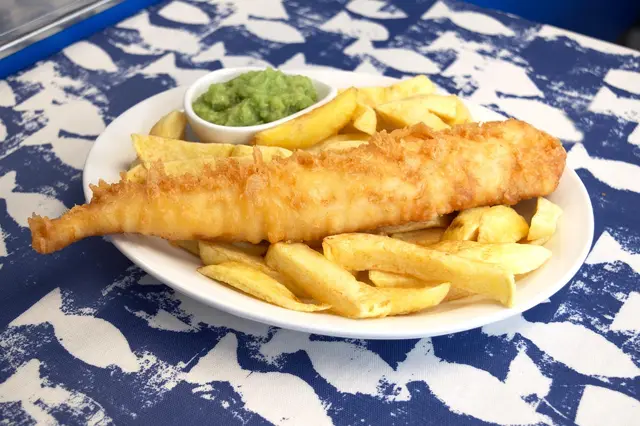
Neighbourhood fish and chip shop
Run a takeaway shop selling freshly fried fish and chips to local families, workers and passing trade.
- £30k-120k
- Full-time
- Own premises

Neighbourhood wine bar
Open a small, relaxed wine bar serving good wine by the glass and simple sharing plates.
- £25k-120k
- Full-time
- Own premises

Small shisha lounge with soft drinks and snacks
Open a small lounge where customers relax over a hookah, with teas, soft drinks and light snacks, in a compliant space.
- £30k-120k
- Full-time
- Own premises

Self-catering farm cottage
Convert a spare cottage or barn into a holiday let for guests who want their own space on the farm.
- £30k-120k
- Part-time
- Own premises
Cat cafe with its own premises
Open a small cafe where guests pay to relax with rescue cats while enjoying coffee and cake.
- £30k-120k
- Full-time
- Own premises
Photo: Pexels on Pixabay