Regular rubbish round for small businesses
Collect waste on a set schedule from shops, offices and sites that need regular pickups.
- £5k-25k
- Part-time
- Out and about
- Licence or permit needed
Estimates for a small start in the UK, not guarantees.
Official data
6,717 UK companies in this field, 35% registered in the last 2 years
SIC 38110 “Collection of non-hazardous waste”. Source: Companies House, November 2026.
What it is
A scheduled collection service for small commercial customers, taking their general or mixed waste from bins or sacks and delivering it to licensed disposal sites. Usually run with a tipper or a larger van.
Your first three steps
- Check waste carrier registration requirements and what paperwork commercial customers will expect from you
- Visit businesses along a compact route to find who is unhappy with their current collection and what they pay
- Price a few trial customers, work out disposal costs per load, and agree written terms with them
Who pays
Small shops, cafes, offices, workshops, building sites and landlords of blocks of flats.
How it makes money
A monthly or per-collection fee agreed in advance, so repeat customers give steadier income than one-off clearances. Disposal costs are factored into the price.
Skills that help
- Route planning and reliability
- Basic record keeping
- Dealing with business customers
Watch out for
- Waste carrier registration, and keep waste transfer notes for commercial waste, so check the current rules
- Larger commercial vehicles may need extra checks, such as weight limits and driver rules, so check what applies to your vehicle
- Employer's liability insurance if you take on staff, plus public liability cover
- Large national firms compete on price, so know your costs before quoting
- Some waste, such as food waste or hazardous items, may have separate rules, so check before agreeing to take it
Deep research report · UK
Everything you need to start: regular rubbish round for small businesses
Researched with live web search for United Kingdom: real startup prices, the licences and rules, what others charge, a break-even example, how to find your first customers and a 30-day launch plan. With sources.
- Startup costs with real prices
- Licences, registration and rules
- Pricing: what others charge
- Break-even example
- Finding your first customers
- 30-day launch plan
- Risks and how to reduce them
Questions people ask
How much does it cost to start a rubbish collection round?
Startup costs are typically around £5,000 to £25,000, depending on the vehicle you buy, your insurance and how much you spend on marketing. This is an estimate, so get real quotes for your vehicle and cover before committing.
How much can a commercial rubbish round earn?
Monthly revenue is typically around £2,000 to £10,000, depending on how many regular customers you sign up, your prices and your running costs. These are estimates, not guarantees, and large national firms compete on price.
What rules should I check before collecting commercial waste?
Check the current rules on waste carrier registration and keeping waste transfer notes for commercial waste. Also check any extra vehicle requirements such as weight limits and driver rules, and whether food or hazardous waste has separate rules.
Similar cleaning ideas
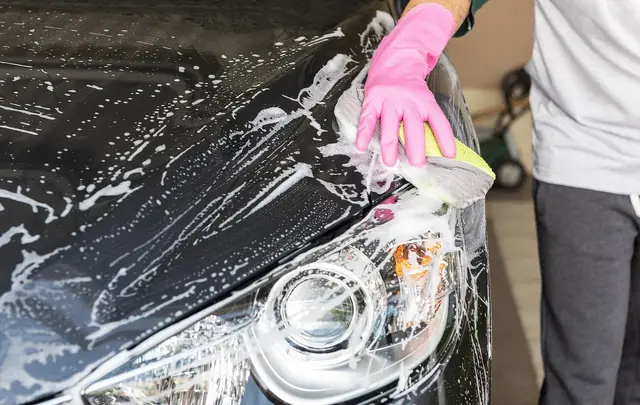
Hand car wash on a rented site
Run a hand car wash and valet bay on a small rented site, with walk-in and regular customers.
- £5k-25k
- Full-time
- Own premises
Workshop blasting for parts and restoration
Strip rust and paint from vehicle parts, frames and metalwork brought to your unit.
- £5k-25k
- Part-time
- Own premises
Full house and office clearance team
Clear whole properties and commercial units with a small team and a larger vehicle, and sell or recycle what you can.
- £5k-25k
- Full-time
- Out and about
Mobile blast cleaning service
Travel to homes, farms and small firms to strip paint, rust and grime from surfaces with blasting kit.
- £4k-15k
- Part-time
- Out and about
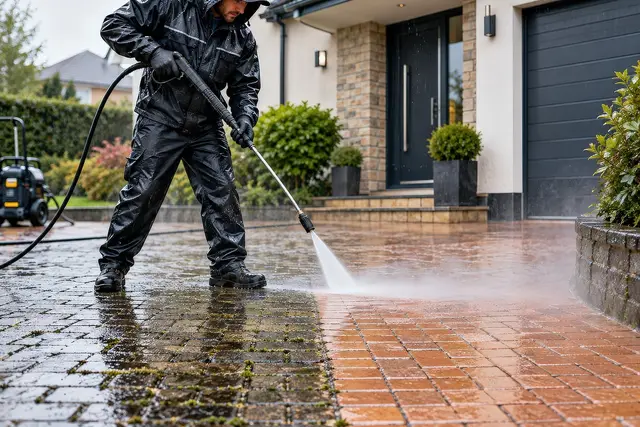
Commercial and fleet pressure washing
Win regular contracts to wash shopfronts, forecourts, bin areas and work vehicles.
- £3k-15k
- Part-time
- Out and about
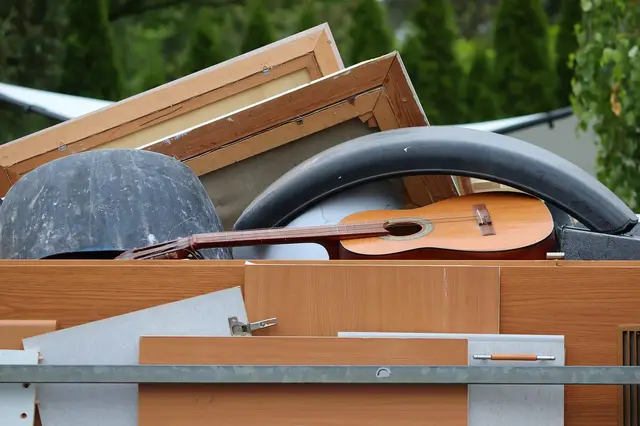
Van-based house clearance
Clear homes after bereavements, moves and tenancies using your own van and a licensed waste route.
- £3k-12k
- Part-time
- Out and about