Seasonal grazing lets for small livestock keepers
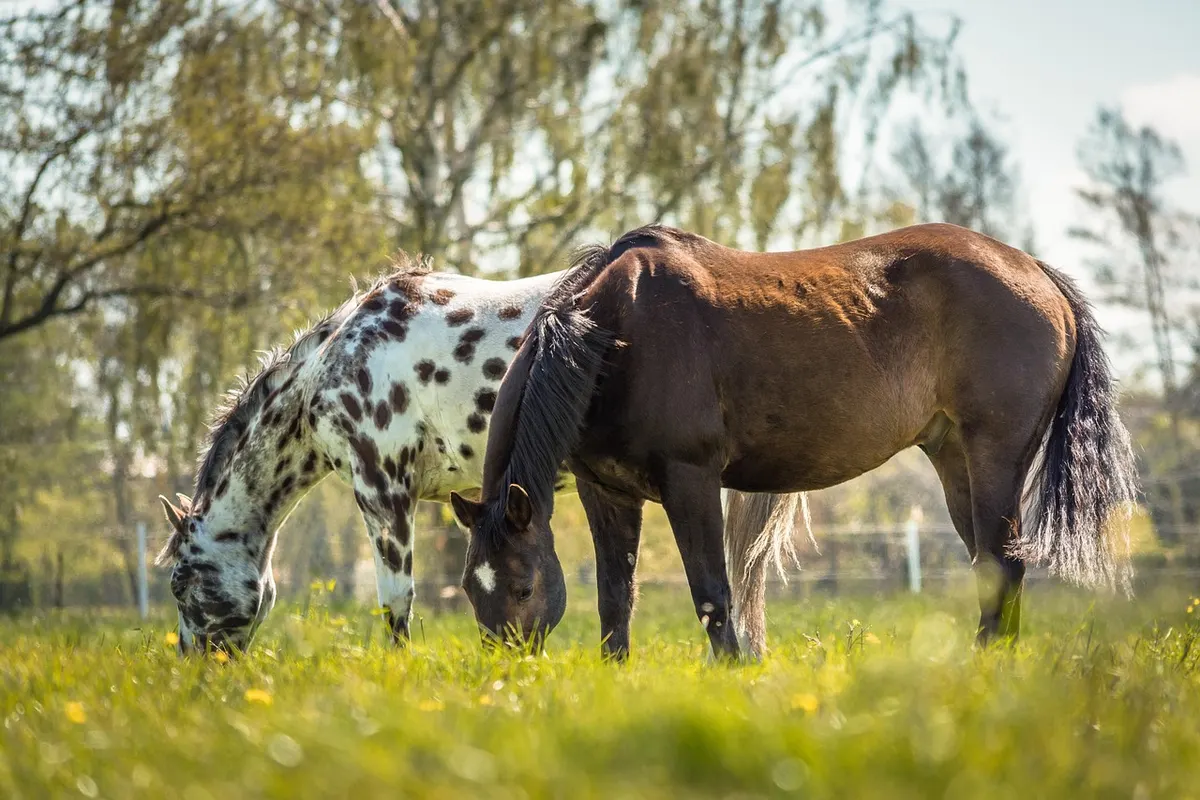
Let spare fields to sheep, pony or cattle owners for the grazing season and keep your own time input low.
- £500-4k
- Side hustle
- Own premises
Estimates for a small start in the UK, not guarantees.
Official data
1,562 UK companies in this field, 26% registered in the last 2 years
SIC 01621 “Farm animal boarding and care”. Source: Companies House, November 2026.
What it is
You let fields or parcels of land for grazing, often for a season at a time. The livestock owner does most of the daily care. You provide fencing, water and a safe field, with occasional checks.
Your first three steps
- Check your fields for secure boundaries, a reliable water source and safe access, and fix any gaps
- Ask local farmers, smallholder groups and your county agricultural society what grazing rents are charged nearby
- Draft a grazing licence covering stock numbers, dates, repairs and insurance, and have a solicitor or land agent check it
Who pays
Smallholders, hobby sheep or pony keepers, conservation grazing groups and farmers who need extra grass.
How it makes money
A fee per animal per month, or a fixed price per field or acre for the season, agreed in a written grazing licence.
Skills that help
- Basic fencing and field upkeep
- Understanding grass growth and stocking levels
- Clear written agreements
Watch out for
- A badly written agreement may give the grazier tenancy rights, take professional advice before letting land
- Livestock keepers need their own holding number and animal records, check the current rules with APHA or Defra
- Public liability insurance, plus check the grazier carries their own cover
- Land in farm schemes or with a mortgage or tenancy may restrict letting, check first
- Overgrazing and poaching of wet ground, set stocking limits and end dates
Deep research report · UK
Everything you need to start: seasonal grazing lets for small livestock keepers
Researched with live web search for United Kingdom: real startup prices, the licences and rules, what others charge, a break-even example, how to find your first customers and a 30-day launch plan. With sources.
- Startup costs with real prices
- Licences, registration and rules
- Pricing: what others charge
- Break-even example
- Finding your first customers
- 30-day launch plan
- Risks and how to reduce them
Questions people ask
How much does it cost to start letting land for grazing?
Startup costs are typically around £500 to £4,000, depending on the condition of your fencing, water supply and insurance. These are estimates, so check what each field needs before you let it.
How much can you earn from seasonal grazing lets?
Monthly revenue is typically around £150 to £750, depending on how much land you let and for how long. Estimates suggest at least about 3 hours a week for checks and upkeep.
What should I check before letting land for grazing?
Take professional advice on the agreement, as a badly written one may give the grazier tenancy rights. Check APHA or Defra rules on holding numbers and records, insurance, and whether a mortgage, tenancy or farm scheme restricts letting.
Other ways to run this business

Similar farming and garden ideas

Online seed shop for gardeners
Sell flower, vegetable and herb seeds to home gardeners through your own website and online marketplaces.
- £500-4k
- Side hustle
- Online

Tree planting and woodland upkeep
Plant trees, fit tree guards and clear weeds for landowners creating or restoring woodland, as a seasonal or part-time job.
- £500-4k
- Side hustle
- Out and about
Local produce supplier run from home
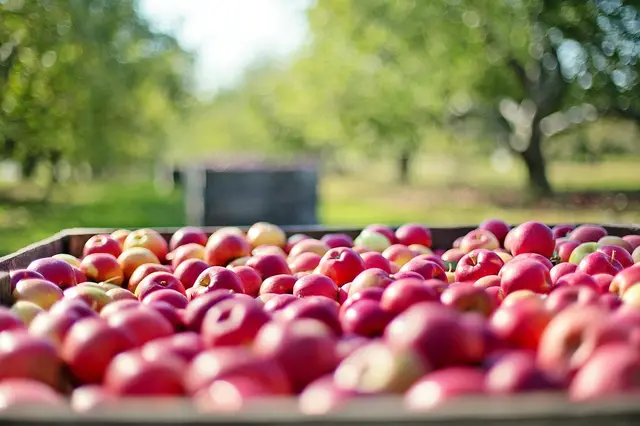
Buy from nearby growers and sell to cafes, delis and restaurants, working from home with no warehouse.
- £800-4k
- Part-time
- From home

Home greenhouse orchid grower
Grow orchids in a greenhouse or conservatory and sell them online and at plant fairs.
- £800-4k
- Side hustle
- From home

Online hydroponics supplies shop
Sell grow lights, nutrients and starter systems online to home growers, using suppliers who post direct to customers.
- £500-4k
- Side hustle
- Online

Home plant nursery selling online and locally
Grow perennials, herbs or veg plants in your garden and sell them through online listings, gate sales and local plant fairs.
- £500-3k
- Side hustle
- From home
Photo: Seaq68 on Pixabay