Shoe stall at local markets
Sell footwear from a market stall or pop-up, a lower-cost way to test a shoe business.

- £3k-12k
- Side hustle
- Out and about
Estimates for a small start in the UK, not guarantees.
Official data
2,909 UK companies in this field, 29% registered in the last 2 years
SIC 47721 “Retail sale of footwear in specialised stores”. Source: Companies House, November 2026.
What it is
A stall or pop-up selling shoes for adults and children at weekly markets, fairs and community events. It lets you build a customer base before taking on shop rent.
Your first three steps
- Visit nearby markets, see which sell footwear and ask the organisers about pitch availability and fees
- Set up trade accounts with a couple of wholesalers and buy a small, size-balanced range
- Book a trial pitch for a few weeks and track what sells
Who pays
Market shoppers looking for good-value footwear, families buying children's shoes and people wanting a particular style or size.
How it makes money
You buy stock from wholesalers or brands and sell at a mark-up, with pitch fees as your main running cost. Add-ons like insoles and shoe care help the basket size.
Skills that help
- Selling face to face
- Choosing stock that suits your market
- Being organised with setting up, packing down and stock counts
Watch out for
- Market pitch rules and any street trading consent, check with the market operator or your council
- Public liability insurance, which many markets ask to see
- Weather, storage and transport of stock, so you may need a van or a lot of boot space
- Consumer rights on returns still apply, and online sales have extra rules, check with Trading Standards
- Limited space means fitting advice is harder, so stick to ranges that are easy to size
Deep research report · UK
Everything you need to start: shoe stall at local markets
Researched with live web search for United Kingdom: real startup prices, the licences and rules, what others charge, a break-even example, how to find your first customers and a 30-day launch plan. With sources.
- Startup costs with real prices
- Licences, registration and rules
- Pricing: what others charge
- Break-even example
- Finding your first customers
- 30-day launch plan
- Risks and how to reduce them
Questions people ask
How much does it cost to start a shoe stall?
Startup costs are typically estimated at around £3,000 to £12,000, depending on how much stock you buy, the stall equipment you need and how you transport it. A stall can be a cheaper way to test demand.
How much revenue can a market shoe stall make?
Monthly revenue is typically estimated at around £1,500 to £7,000, depending on how many markets you trade at, the weather, your stock and your prices. This is revenue before costs, not profit.
What rules apply to selling shoes at markets?
Check market pitch rules and any street trading consent with the market operator or your council. Also check public liability insurance, which many markets ask to see, and consumer rights on returns and online sales with Trading Standards.
Other ways to run this business
Similar retail ideas
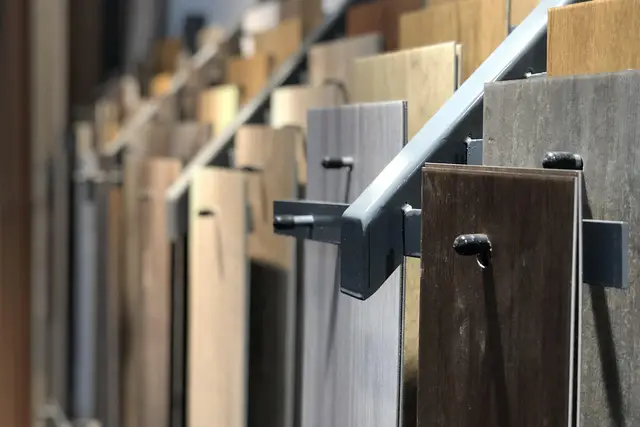
Mobile flooring sales with samples
Take flooring samples to customers' homes, measure up and order direct from suppliers, with no shop rent.
- £3k-12k
- Part-time
- Out and about

Kilt hire from home with online booking
Hire out kilts and Highland outfits for weddings and events, with fittings by appointment and posting across the UK.
- £3k-12k
- Side hustle
- From home
Online fridge seller with local delivery
Sell fridges and fridge-freezers through your own website or marketplaces, and deliver locally from a small storage space.
- £2.5k-12k
- Side hustle
- Online

Seasonal Christmas pop-up shop
Rent a short-term unit or market stall from autumn to Christmas and sell decorations and gifts face to face.
- £2k-12k
- Part-time
- Own premises

Mobile supportive shoe fitting service
Bring a range of supportive shoes to homes and care settings, measure feet and fit them in comfort.
- £3k-12k
- Side hustle
- Out and about
Furniture pop-up stand in a supermarket or centre
Rent display space inside or beside a supermarket or shopping centre to show furniture and take orders for later delivery.
- £3k-12k
- Side hustle
- Out and about