Self-employed steel erector
Work as a self-employed steel erector, joining erecting gangs on building sites for steelwork contractors.
- £800-3.5k
- Full-time
- Out and about
Estimates for a small start in the UK, not guarantees.
What it is
You bolt, align and fix structural steel beams and columns on site as a self-employed worker, usually as part of a gang led by someone else. You bring your own PPE and hand tools, and the contractor provides the steel and lifting plant.
Your first three steps
- Get the site safety card and working at height training that steelwork contractors ask for, and check which are needed for your area
- Register as a self-employed subcontractor with HMRC under the Construction Industry Scheme (CIS) and set up Self Assessment
- Contact local steelwork contractors and labour agencies, and ask whether they take on new erectors or trainees
Who pays
Steelwork contractors and main contractors on commercial, industrial and housing sites.
How it makes money
A day rate or an agreed price per job or per tonne erected. Income depends on the work you can line up and how many days you are on site each week.
Skills that help
- Comfortable working at height
- Reading drawings and following a site plan
- Physically fit and safety-minded
- Working well in a team
Watch out for
- Public liability insurance, and check whether contractors expect you to carry it
- Work at height and lifting operations are high risk, so make sure you are properly trained and follow site rules
- CIS tax deductions and employment status, check with HMRC if you are unsure whether you are genuinely self-employed
- Work can be patchy and weather dependent, so keep some savings aside
Deep research report · UK
Everything you need to start: self-employed steel erector
Researched with live web search for United Kingdom: real startup prices, the licences and rules, what others charge, a break-even example, how to find your first customers and a 30-day launch plan. With sources.
- Startup costs with real prices
- Licences, registration and rules
- Pricing: what others charge
- Break-even example
- Finding your first customers
- 30-day launch plan
- Risks and how to reduce them
Questions people ask
How much does it cost to become a self-employed steel erector?
Startup costs are typically around £800 to £3,500, depending on the PPE, hand tools and training you need. These are estimates, so check what each contractor expects you to bring before you buy.
How much can a self-employed steel erector earn?
Monthly revenue is typically around £2,500 to £6,000, depending on how steady your work is and the hours you put in. Work can be patchy and weather dependent, so keep some savings aside.
What rules should I check before working as a steel erector?
Check public liability insurance and whether contractors expect you to carry it. Work at height and lifting are high risk, so make sure you are properly trained. Check CIS deductions and employment status with HMRC if unsure.
Other ways to run this business
Similar trades ideas

Bathroom and kitchen tiler
Tile bathrooms, kitchens and floors in local homes, working on your own for homeowners and landlords.
- £800-3.5k
- Part-time
- Out and about
Made-to-size glass and mirror cutting
Cut glass and mirrors to size from a garage or outbuilding for households, picture framers and local crafters.
- £800-3.5k
- Side hustle
- From home
Mobile piano tuner
Visit homes, schools and venues to tune pianos to pitch, with regular yearly clients.
- £500-3.5k
- Side hustle
- Out and about

Home workshop mower and engine repairs
Fix and service garden machinery in a garage or shed workshop, with drop-off or collection.
- £800-3.5k
- Side hustle
- From home
Plasterboarding for homeowners and builders
Fit and finish plasterboard walls and ceilings for extensions, lofts and renovations in local homes.
- £1k-4k
- Part-time
- Out and about
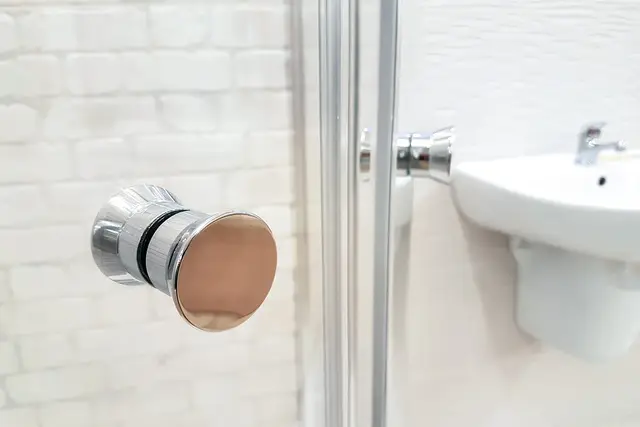
Mobile shower door supply and fit
Measure, supply and fit glass shower doors and enclosures at customers' homes, with no shop needed.
- £800-4k
- Side hustle
- Out and about