Bathroom and kitchen tiler
Tile bathrooms, kitchens and floors in local homes, working on your own for homeowners and landlords.

- £800-3.5k
- Part-time
- Out and about
Estimates for a small start in the UK, not guarantees.
Official data
11,547 UK companies in this field, 25% registered in the last 2 years
SIC 43330 “Floor and wall covering”. Source: Companies House, November 2026.
What it is
Laying wall and floor tiles in homes: bathrooms, kitchens, hallways and splashbacks. This includes preparing surfaces, setting out, cutting, adhesive, grouting and sealing.
Your first three steps
- Train or practise: take a tiling course or work as a tiler's labourer to build skills and a portfolio
- Buy core tools (tile cutter, trowels, spacers, levels) and get public liability insurance
- Photograph your best work and ask local bathroom fitters, builders and letting agents for small jobs
Who pays
Homeowners, landlords, letting agents and small local builders or bathroom fitters who need a reliable tiler.
How it makes money
Usually a price per square metre or a fixed quote per room, plus charges for preparation work, materials handling and awkward layouts.
Skills that help
- Accurate measuring and cutting
- Patience and an eye for detail
- Quoting jobs and managing customers
Watch out for
- Public liability insurance, and check whether your customers or contractors ask for a particular level of cover
- Physical strain on knees and back, plan your workload and use proper kneepads and lifting methods
- Silica dust from cutting, check guidance on dust control and wearing suitable masks
- Poor subfloors or damp can cause tiles to fail, so agree extra preparation work in writing before starting
- Register as a sole trader with HMRC, and check whether you need to join a scheme such as CIS if you work for builders
Deep research report · UK
Everything you need to start: bathroom and kitchen tiler
Researched with live web search for United Kingdom: real startup prices, the licences and rules, what others charge, a break-even example, how to find your first customers and a 30-day launch plan. With sources.
- Startup costs with real prices
- Licences, registration and rules
- Pricing: what others charge
- Break-even example
- Finding your first customers
- 30-day launch plan
- Risks and how to reduce them
Questions people ask
How much does it cost to start a tiling business?
Startup costs are typically estimated at around £800 to £3,500, depending on the tools, cutting equipment, protective gear and insurance you need. If you already own some tools, your costs may be nearer the lower end.
How much can a self-employed tiler earn?
Monthly revenue is typically estimated at around £1,500 to £5,000, depending on how many hours you work, the jobs you take and your local rates. These are estimates rather than guaranteed income.
What do I need to check before working as a tiler?
Check that your public liability insurance level matches what customers or contractors ask for, and look at guidance on silica dust control and masks. Register as a sole trader with HMRC and check whether CIS applies if you work for builders.
Other ways to run this business
Similar trades ideas
Made-to-size glass and mirror cutting
Cut glass and mirrors to size from a garage or outbuilding for households, picture framers and local crafters.
- £800-3.5k
- Side hustle
- From home
Mobile piano tuner
Visit homes, schools and venues to tune pianos to pitch, with regular yearly clients.
- £500-3.5k
- Side hustle
- Out and about

Home workshop mower and engine repairs
Fix and service garden machinery in a garage or shed workshop, with drop-off or collection.
- £800-3.5k
- Side hustle
- From home
Self-employed steel erector
Work as a self-employed steel erector, joining erecting gangs on building sites for steelwork contractors.
- £800-3.5k
- Full-time
- Out and about
Plasterboarding for homeowners and builders
Fit and finish plasterboard walls and ceilings for extensions, lofts and renovations in local homes.
- £1k-4k
- Part-time
- Out and about
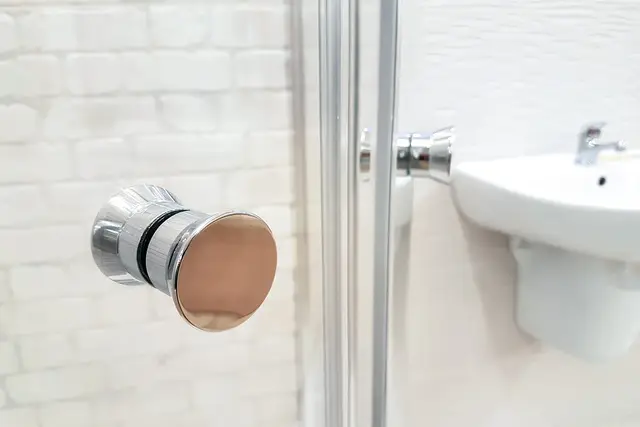
Mobile shower door supply and fit
Measure, supply and fit glass shower doors and enclosures at customers' homes, with no shop needed.
- £800-4k
- Side hustle
- Out and about
Photo: jarmoluk on Pixabay