Small-unit toolmaking workshop
Make precision moulds, dies and fixtures for local manufacturers from a rented workshop unit.
- £25k-120k
- Full-time
- Own premises
Estimates for a small start in the UK, not guarantees.
Official data
937 UK companies in this field, 15% registered in the last 2 years
SIC 25730 “Manufacture of tools”. Source: Companies House, November 2026.
What it is
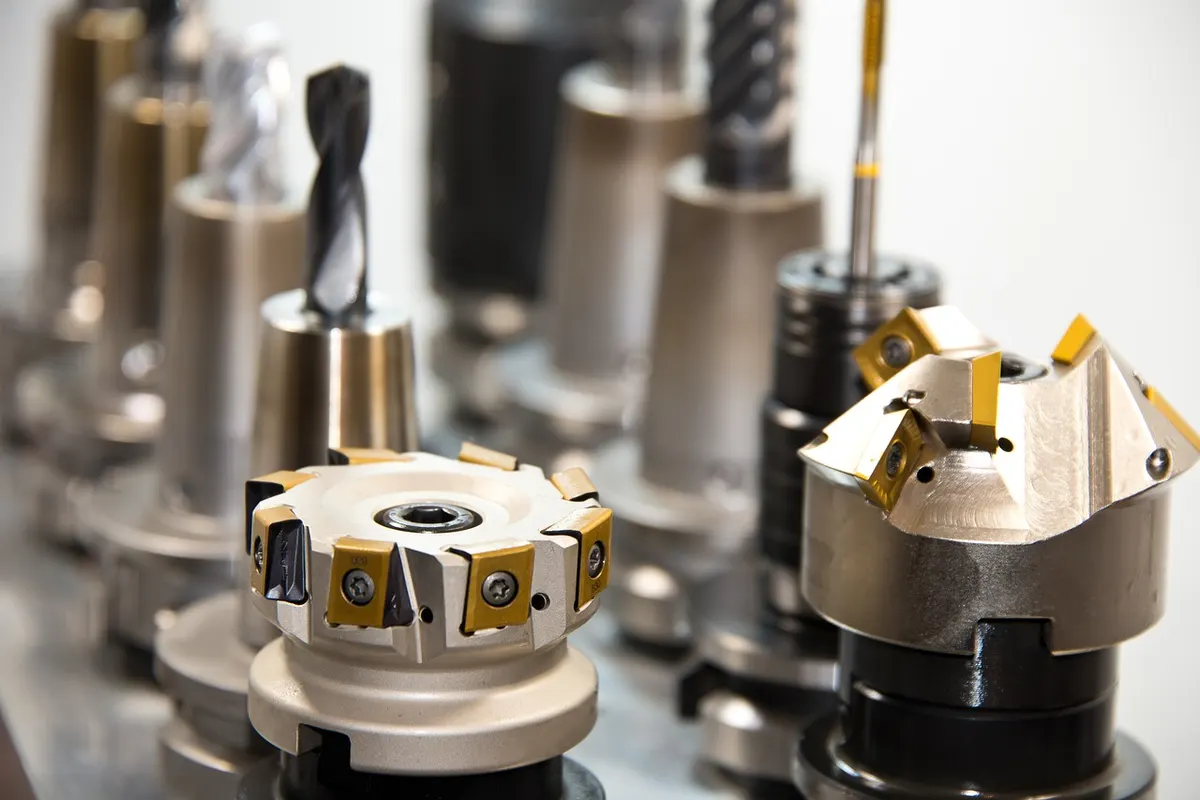
A small toolroom in a rented industrial unit that makes and maintains custom tooling, such as press tools, injection moulds, jigs and fixtures. You work from customer drawings or 3D models using milling, turning, grinding and often CNC machines.
Your first three steps
- Write a list of the machines and measuring kit you need, and get quotes for second-hand equipment and a rented unit
- Talk to three or four local manufacturers or former employers about the tooling work they currently outsource
- Set up as a sole trader or limited company and get quotes for insurance, including public liability and cover for your machinery
Who pays
Local manufacturers, plastics and pressing firms, engineering companies and product designers who need custom metal tooling.
How it makes money
Quoted price per job or tool, plus repeat income from repairs, modifications and spare parts for tools you have built.
Skills that help
- Toolmaking or precision machining experience
- Reading engineering drawings
- CNC programming or CAD/CAM
- Accurate quoting and job planning
Watch out for
- Public liability and machinery insurance, and employers' liability once you hire
- Check the unit's lease, business rates and any planning or use restrictions with the landlord and council
- Heavy machinery and cutting fluids carry safety duties, so check HSE guidance on machine guarding and risk assessments
- Relying on one or two big customers can leave income exposed if they leave, and some may pay slowly
- Large upfront machine costs, so consider leasing or buying second-hand to start
Deep research report · UK
Everything you need to start: small-unit toolmaking workshop
Researched with live web search for United Kingdom: real startup prices, the licences and rules, what others charge, a break-even example, how to find your first customers and a 30-day launch plan. With sources.
- Startup costs with real prices
- Licences, registration and rules
- Pricing: what others charge
- Break-even example
- Finding your first customers
- 30-day launch plan
- Risks and how to reduce them
Questions people ask
How much does it cost to start a toolmaking workshop?
Startup costs are typically around £25,000 to £120,000, depending on the machines you buy and the unit you rent. These are estimates. Machine costs are large upfront, so consider leasing or buying second-hand to start.
How much can a small toolroom earn?
Monthly revenue is typically around £6,000 to £25,000, depending on your machines, capacity and customers. These are estimates. Relying on one or two big customers can leave income exposed if they leave, and some may pay slowly.
What should I check before opening a toolmaking workshop?
Check public liability and machinery insurance, and employers' liability once you hire. Check the unit's lease, business rates and any planning or use restrictions with the landlord and council. Review HSE guidance on machine guarding and risk assessments.
Other ways to run this business
Similar making and manufacturing ideas

Small-unit toolroom for local manufacturers
Make and repair jigs, fixtures, dies and moulds to order for manufacturers in your area.
- £25k-120k
- Full-time
- Own premises
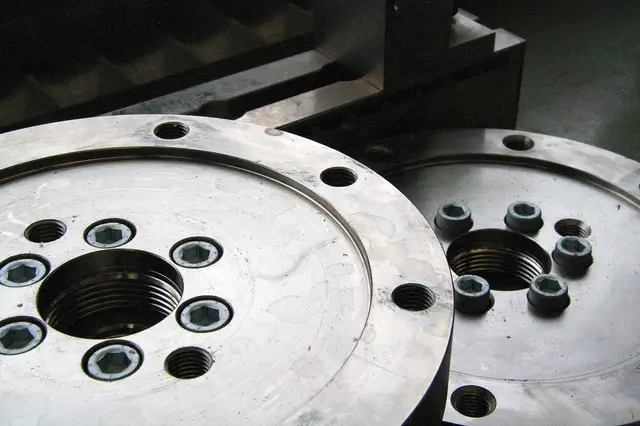
Small CNC machine shop for replacement parts
Rent a small unit and make replacement and custom metal parts for local factories, farms and repair firms.
- £25k-120k
- Full-time
- Own premises
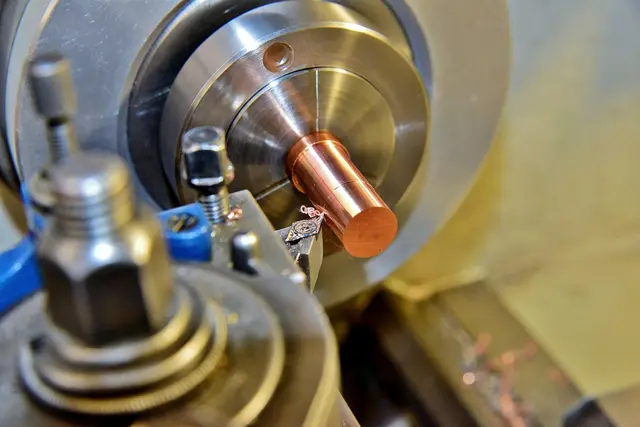
CNC machining unit for local manufacturers
Rent a small industrial unit and make repeat batches of precision parts for local firms.
- £25k-120k
- Full-time
- Own premises

Marble supplier with a small stock unit
Hold marble slabs and tiles in a small unit so trade customers can view, choose and collect or have them delivered.
- £25k-100k
- Full-time
- Own premises

Laser cutting service from a small unit
Run a larger laser cutter from a rented unit, cutting parts and signs for trade and business customers.
- £25k-100k
- Full-time
- Own premises

Local metal stockist with a trade counter
Run a small unit stocking sheet, bar and tube for local fabricators, engineers and builders who need metal fast.
- £25k-100k
- Full-time
- Own premises
Photo: blickpixel on Pixabay