Marble supplier with a small stock unit
Hold marble slabs and tiles in a small unit so trade customers can view, choose and collect or have them delivered.

- £25k-100k
- Full-time
- Own premises
Estimates for a small start in the UK, not guarantees.
What it is
You rent a small warehouse or yard unit, hold a range of marble slabs and tiles, and let customers come to see the real stone. You might add basic cutting to size or arrange it with a local fabricator.
Your first three steps
- Agree trade accounts with a few importers and work out which popular marbles you can afford to stock
- Find a ground-floor unit with good access for lorries and a forklift, and check the lease and permitted use
- Visit local fitters and masons to show them your range and ask what they struggle to get quickly
Who pays
Kitchen fitters, stonemasons, builders, developers and homeowners who want to pick their own slab.
How it makes money
Margin on stone sold, plus charges for delivery, cutting to size and sometimes edge finishing.
Skills that help
- Knowledge of marble types and finishes
- Safe handling of heavy materials
- Sales, stock control and customer service
Watch out for
- Cutting or grinding stone creates dust containing silica, check HSE guidance on controlling exposure before offering any cutting
- Heavy slabs need proper lifting equipment and trained handling, check the rules for forklifts and lifting gear
- Stock tied up in expensive slabs is a cash flow risk, so start with a small range
- Insurance for stock, public liability, and employer's liability once you take on staff
- Check import costs, customs and VAT if you buy from outside the UK, and planning or business rates for your unit
🔒 Full research report for UK
Real cost breakdown with current prices, licences and registration checklist, local competition, pricing, break-even and a 30-day launch plan, with sources.
Coming soonQuestions people ask
How much does it cost to open a marble stock unit?
Startup costs are typically around £25,000 to £100,000, depending on the unit, the range of slabs and tiles you hold, and any handling equipment. Stock is a cash flow risk, so starting with a small range helps.
How much can a marble supplier with a unit earn?
Monthly revenue is typically around £8,000 to £40,000, depending on your stock range, your trade customers and your location. These are estimates, not guarantees, and unit costs come out of that revenue.
What safety rules apply to running a marble stock unit?
Cutting or grinding stone creates dust containing silica, so check HSE guidance before offering cutting. Heavy slabs need proper lifting equipment and trained handling, so check the rules for forklifts and lifting gear. Also check your insurance, including employer's liability if you take on staff.
Other ways to run this business
Similar making and manufacturing ideas

Laser cutting service from a small unit
Run a larger laser cutter from a rented unit, cutting parts and signs for trade and business customers.
- £25k-100k
- Full-time
- Own premises

Local metal stockist with a trade counter
Run a small unit stocking sheet, bar and tube for local fabricators, engineers and builders who need metal fast.
- £25k-100k
- Full-time
- Own premises

Local steel stockholder with a small yard
Hold popular steel sizes in a small unit and supply fabricators and builders quickly, cut to length.
- £25k-100k
- Full-time
- Own premises

Small-batch gin or spirits distillery
Make a distinctive local gin or spirit on a small still and sell it through shops, bars, events and online.
- £25k-100k
- Part-time
- Own premises
Small aluminium window workshop
Cut, assemble and glaze aluminium windows to order from a small unit, then sell to builders and homeowners or fit them yourself.
- £25k-90k
- Full-time
- Own premises
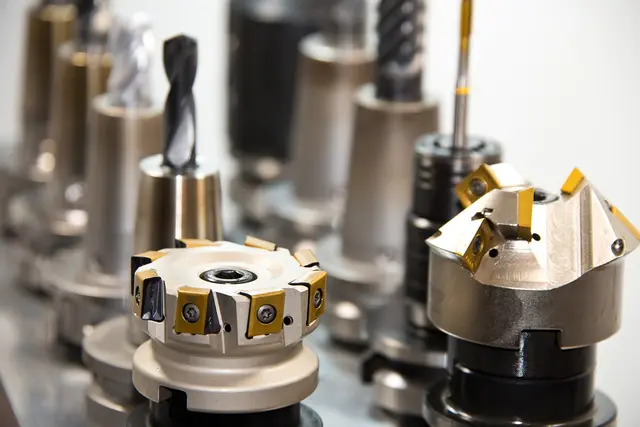
Small-unit toolmaking workshop
Make precision moulds, dies and fixtures for local manufacturers from a rented workshop unit.
- £25k-120k
- Full-time
- Own premises
Photo: North_Studio on Pixabay