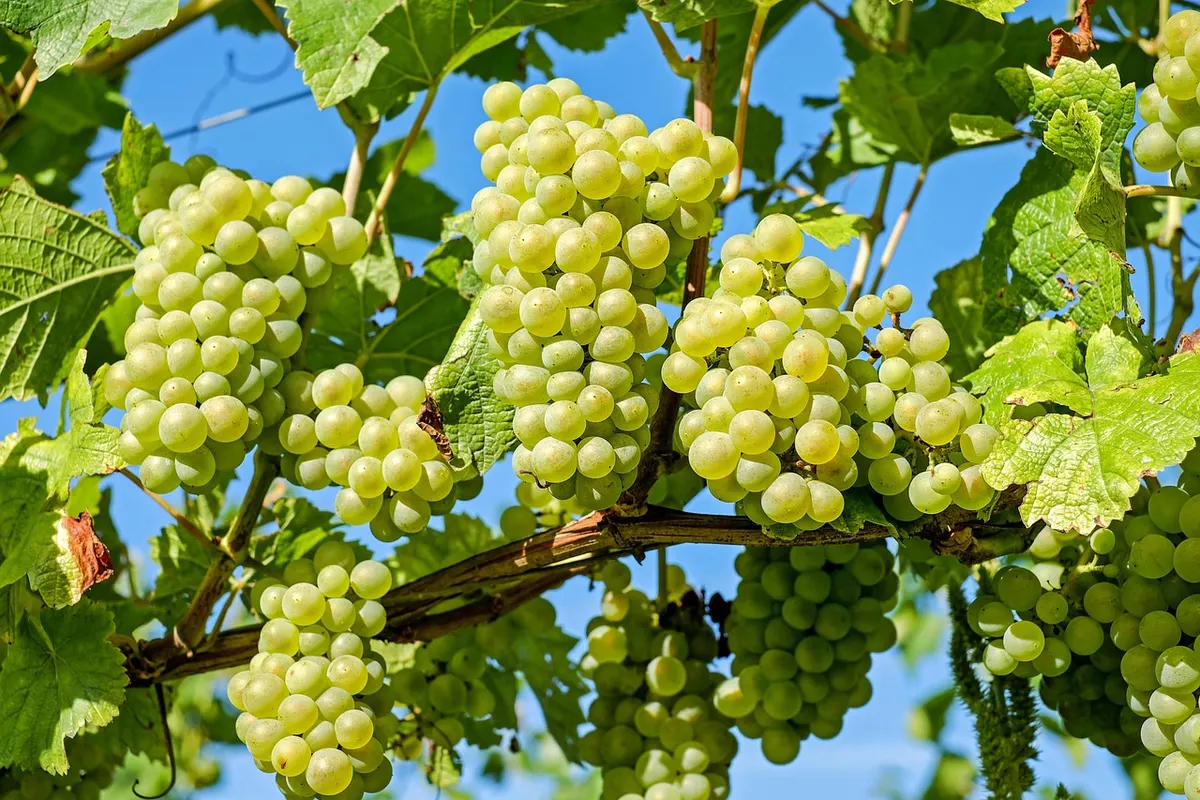
Small estate vineyard with your own wine
Grow grapes, have them made into your own English wine, and sell direct to visitors, shops and restaurants.
- £50k-250k
- Part-time
- Own premises
- Licence or permit needed
Estimates for a small start in the UK, not guarantees.
Official data
271 UK companies in this field, 17% registered in the last 2 years
SIC 01210 “Growing of grapes”. Source: Companies House, November 2026.
What it is
A small vineyard where you grow the grapes and have them turned into wine under your own label, often by a contract winemaker. You then sell bottles directly and through local outlets, and may add tastings or tours.
Your first three steps
- Visit several small English vineyards and ask about their costs, yields and what they would do differently
- Write a business plan covering land, planting, contract winemaking, bottling and years of costs before sales
- Speak to contract winemakers about their requirements, fees and minimum volumes before you plant
Who pays
Visitors and local customers, online buyers, restaurants, pubs, delis, farm shops and gift buyers.
How it makes money
Bottle sales at a higher price than selling grapes, plus extras such as tastings, tours and events. It takes several years to reach a first full harvest and sales, so you need funds to cover the wait.
Skills that help
- Outdoor and practical farm work
- Marketing and selling to consumers
- Budgeting over a multi-year start-up
- Customer service and hosting
Watch out for
- Alcohol licensing: selling wine usually needs a premises licence and a personal licence holder, so check with your local council
- Check HMRC rules on alcohol duty, wine production and wholesale registration before you sell
- Check whether you must register the vineyard and make harvest declarations, and follow wine labelling rules
- Planning permission may be needed for a tasting room, shop, car park or events
- Weather and disease can reduce or wipe out a harvest, so check insurance options
- Public liability insurance, and product liability cover for the wine
Deep research report · UK
Everything you need to start: small estate vineyard with your own wine
Researched with live web search for United Kingdom: real startup prices, the licences and rules, what others charge, a break-even example, how to find your first customers and a 30-day launch plan. With sources.
- Startup costs with real prices
- Licences, registration and rules
- Pricing: what others charge
- Break-even example
- Finding your first customers
- 30-day launch plan
- Risks and how to reduce them
Questions people ask
How much does it cost to start an estate vineyard?
Startup costs are typically around £50,000 to £250,000, depending on your land, scale and whether you add a tasting room or shop. Budget for a multi-year start-up, as weather and disease can reduce or wipe out a harvest.
How much can an estate vineyard earn?
Monthly revenue is typically around £2,000 to £10,000, depending on how many bottles you sell and through which outlets, such as direct sales, shops or restaurants. Plan carefully for a multi-year start-up before sales build.
What licences and rules apply to selling English wine?
Check whether selling wine needs a premises licence and a personal licence holder with your local council, and check HMRC rules on alcohol duty and wholesale registration. Also check vineyard registration, harvest declarations and labelling rules.
Other ways to run this business

Similar farming and garden ideas
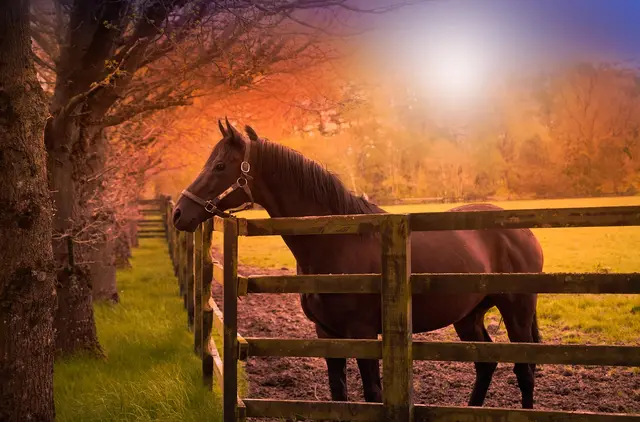
Stallion at stud and mare services
Stand a stallion and offer covering or AI services to mare owners, alongside breeding your own foals.
- £50k-250k
- Part-time
- Own premises
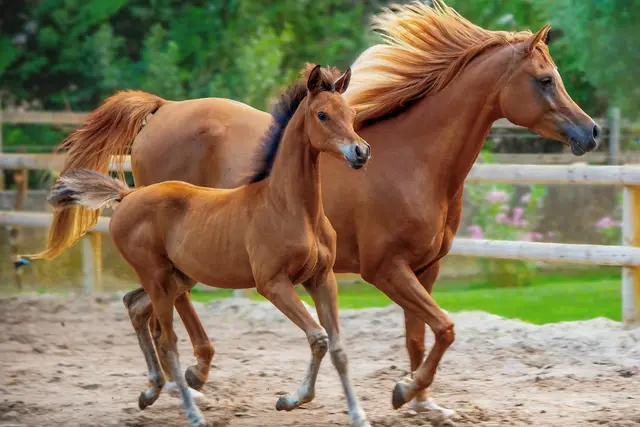
Full-time stud breeding and producing youngsters
Run a small stud with several mares, raise and start youngsters, and sell them on to riders.
- £30k-150k
- Full-time
- Own premises

Arable farm on rented land using contractors
Rent or contract-farm fields, grow cereals or oilseeds, and hire contractors for heavy jobs rather than buying machinery.
- £30k-150k
- Full-time
- Own premises
Indoor recirculating tank fish farm
Grow fish in tanks inside a shed or unit with filtered, recycled water, and sell fresh to local buyers.
- £40k-150k
- Part-time
- Own premises

Small-scale turf grower and supplier
Grow, harvest and sell your own turf from rented or owned land to local landscapers and homeowners.
- £25k-120k
- Full-time
- Own premises
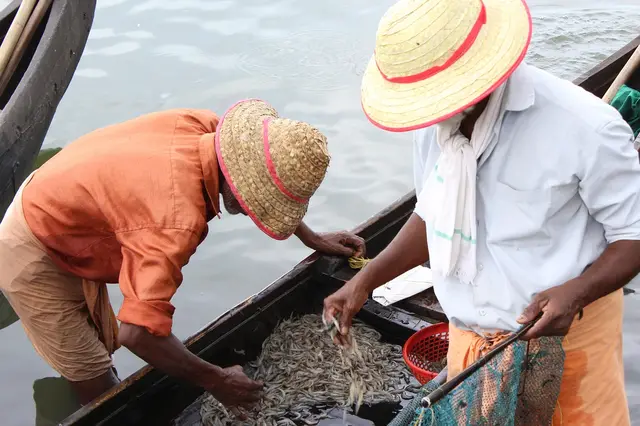
Small inshore prawn boat
Run a small licensed boat catching prawns in local waters and sell to merchants, markets or restaurants.
- £20k-100k
- Part-time
- Out and about
Photo: Couleur on Pixabay