Specialist grocery wholesaler from a small unit
Stock a focused range, such as world foods or snacks, in a small unit and supply independent retailers on trade terms.

- £15k-60k
- Full-time
- Own premises
Estimates for a small start in the UK, not guarantees.
Official data
6,300 UK companies in this field, 43% registered in the last 2 years
SIC 46390 “Non-specialised wholesale of food, beverages and tobacco”. Source: Companies House, November 2026.
What it is
A small trade supplier working from rented warehouse or industrial unit space. You focus on a niche range, for example South Asian, Caribbean, Polish or other world foods, or confectionery and snacks, rather than competing with the big cash-and-carries on everything. Customers can order by phone or message and either collect or receive delivery.
Your first three steps
- Choose a niche and speak to local shops about what they struggle to source or get delivered
- Get quotes from importers and manufacturers, and price a starter range with minimum order sizes
- Find a suitable small unit and set up basic stock, ordering and invoicing systems before taking first orders
Who pays
Independent grocers, ethnic food shops, convenience stores, cafes, restaurants and takeaways that want a specialist range in smaller quantities than large wholesalers offer.
How it makes money
You sell cases and multipacks at trade prices above your bulk buying cost. A specialist range can support slightly better margins than general grocery, but it relies on repeat orders and good stock rotation.
Skills that help
- Knowledge of your chosen product range and its customers
- Stock control and managing dates
- Negotiating with importers and suppliers
- Credit control and invoicing
Watch out for
- Register your food business with your local council and check hygiene requirements for your unit before you stock food
- Check import rules, labelling requirements and allergen information if you buy from importers or from abroad
- Short shelf lives and wastage can eat into thin margins, so start with a modest range
- Insurance for stock, public liability and product liability, plus employer's liability once you hire
- Unit lease terms and whether the permitted use covers food storage
- Check VAT registration rules and how they apply to your product lines
Deep research report · UK
Everything you need to start: specialist grocery wholesaler from a small unit
Researched with live web search for United Kingdom: real startup prices, the licences and rules, what others charge, a break-even example, how to find your first customers and a 30-day launch plan. With sources.
- Startup costs with real prices
- Licences, registration and rules
- Pricing: what others charge
- Break-even example
- Finding your first customers
- 30-day launch plan
- Risks and how to reduce them
Questions people ask
How much does it cost to start a grocery wholesale business in the UK?
Estimates suggest startup costs are typically around £15,000 to £60,000, depending on your unit, your chosen range and how much stock you buy. Starting with a modest range can help limit wastage on short shelf-life items.
What should I check before stocking food as a wholesaler?
Check whether you need to register your food business with your local council, and what hygiene requirements apply to your unit. Also check import rules, labelling and allergen information if you buy from importers, and whether your lease permits food storage.
How much revenue can a small grocery wholesaler make?
Estimates suggest monthly revenue is typically around £8,000 to £40,000, depending on your range, your customers and your delivery area. Revenue is not profit, and short shelf lives and wastage can eat into thin margins.
Other ways to run this business
Similar food ideas
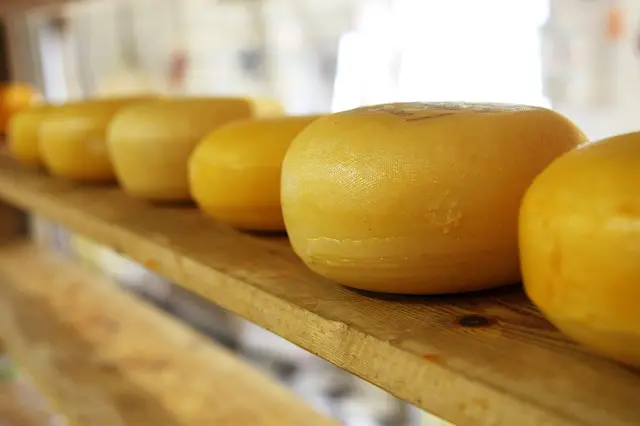
Small-batch cheese and yoghurt maker
Buy in local milk and make cheese, yoghurt or butter in a small rented unit for delis and markets.
- £15k-60k
- Part-time
- Own premises
Local frozen food shop
Open a small high street shop selling frozen meals, ingredients and desserts to local households.
- £15k-60k
- Full-time
- Own premises
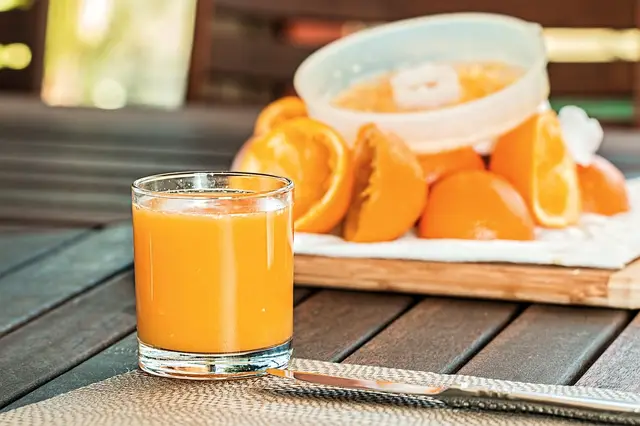
Juice and smoothie bar
Run a small shop serving fresh juices and smoothies made to order for locals, workers and gym-goers.
- £15k-60k
- Full-time
- Own premises

Russian and Eastern European grocery shop
Open a small shop selling Russian and Eastern European foods, drinks and treats to local shoppers.
- £15k-60k
- Full-time
- Own premises

Niche wine importer using a bonded warehouse
Bring in wines from a region you know well and sell them to independent restaurants, bars and shops.
- £15k-60k
- Part-time
- From home
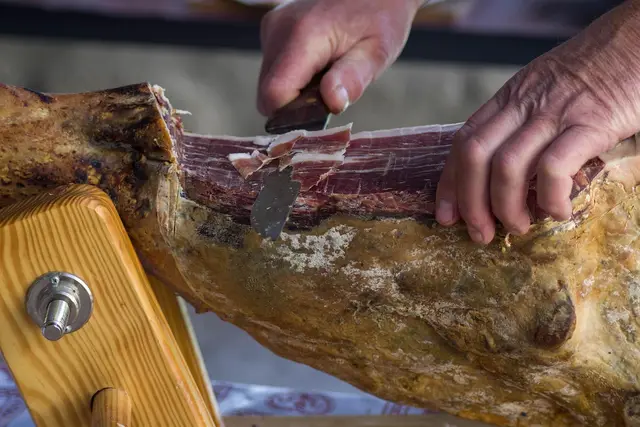
Cured ham and charcuterie shop
Run a small high street shop selling whole and sliced cured hams, salamis and matching extras to local food lovers.
- £15k-60k
- Full-time
- Own premises