Solo wood floor fitter for homes
Lay solid and engineered wood floors in local homes, charging for your labour and materials.

- £1.5k-6k
- Part-time
- Out and about
Estimates for a small start in the UK, not guarantees.
Official data
11,547 UK companies in this field, 25% registered in the last 2 years
SIC 43330 “Floor and wall covering”. Source: Companies House, November 2026.
What it is
Fitting solid and engineered wood flooring in houses and flats. This includes preparing the subfloor, laying the boards (glued, nailed or floating), and finishing with trims and beading.
Your first three steps
- Get hands-on experience by working with an established fitter or taking a flooring fitting course
- Buy core tools (saws, nailer, spacers, moisture meter) and get public liability insurance
- Show your work to local builders, estate agents and landlords and ask for a first small job to photograph
Who pays
Homeowners, landlords, interior designers and small builders who need a fitter they can rely on.
How it makes money
A price per square metre for labour, or a day rate. You can also add a margin on flooring and underlay you supply, or charge for subfloor prep and removing old floors.
Skills that help
- Accurate measuring and cutting
- Carpentry or flooring experience
- Patience and attention to detail
- Clear quoting and customer service
Watch out for
- Public liability insurance, and check whether your cover includes damage to customers' property
- Subfloor moisture and levelness: a poor subfloor can ruin a new floor, so check before quoting and agree who is responsible
- Need for a van to carry boards and tools
- Heavy, physical work with kneeling, plan to look after your back and knees
- Quoting carefully so wastage and extra prep are covered
Deep research report · UK
Everything you need to start: solo wood floor fitter for homes
Researched with live web search for United Kingdom: real startup prices, the licences and rules, what others charge, a break-even example, how to find your first customers and a 30-day launch plan. With sources.
- Startup costs with real prices
- Licences, registration and rules
- Pricing: what others charge
- Break-even example
- Finding your first customers
- 30-day launch plan
- Risks and how to reduce them
Questions people ask
How much does it cost to start as a wood floor fitter?
Startup costs are typically around £1,500 to £6,000, depending on tools, a van and insurance. Monthly revenue is typically estimated at around £1,500 to £6,000, depending on how many jobs you take and the size of each fitting.
What should I check before fitting wood floors for customers?
Check public liability insurance, including whether it covers damage to customers' property. Check subfloor moisture and levelness before quoting and agree who is responsible. Quote carefully so wastage and extra preparation are covered, and plan for needing a van.
What skills and time do I need to fit wood floors?
You need accurate measuring and cutting, carpentry or flooring experience, patience, and clear quoting. The work is heavy and physical, with kneeling. The estimate is at least around 15 hours a week, depending on your bookings.
Other ways to run this business
Similar trades ideas
Online air tools shop for garages and trades
Sell air tools, fittings and hoses online to garages, workshops and tradespeople across the UK.
- £1k-6k
- Side hustle
- Online

Granite and stone slab broker
Source granite slabs from importers and quarries, and sell them on to local fabricators and builders without holding much stock.
- £1.5k-6k
- Part-time
- From home
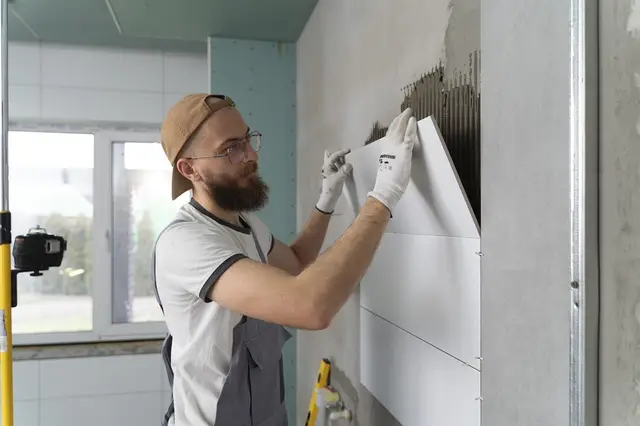
Solo bathroom fitter
Strip out and refit bathrooms for local homeowners, from basic replacements to full tiled refits.
- £1.5k-6k
- Part-time
- Out and about
Prefabricated garage installer
Fit timber, concrete or steel garage kits on prepared bases for homeowners and kit suppliers.
- £1.5k-6k
- Part-time
- Out and about

Mobile piano repair technician
Visit homes, schools and churches to fix sticking keys, broken strings and worn piano actions.
- £1.5k-6k
- Side hustle
- Out and about
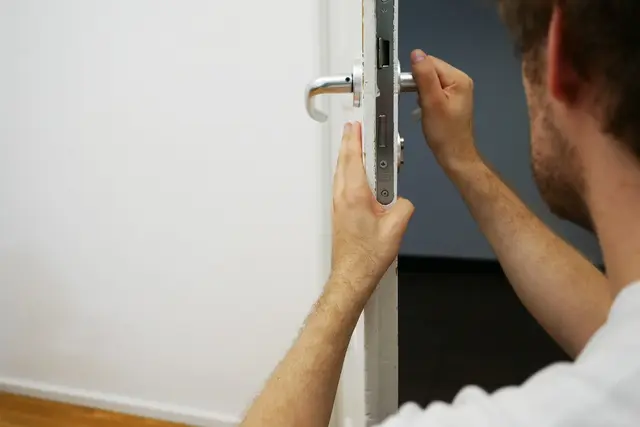
Mobile locksmith
Get people back into their homes and fit better locks, travelling to customers in a van or car.
- £1.5k-6k
- Part-time
- Out and about