Local auto body parts sourcing and delivery
Source and deliver bumpers, panels and trim to independent body shops, without holding a big stock.
- $2k-10k
- Part-time
- Out and about
Estimates for a small start in the US, not guarantees.
Official data
12,266 US businesses with employees in this field, -0.9% in a year
NAICS 423120 “Motor vehicle supplies and new parts merchant wholesalers”. Source: U.S. Census Bureau, County Business Patterns 2023.
What it is
You act as a local parts supplier for collision repair shops. You find new aftermarket, OEM, or recycled body parts from wholesalers, distributors and salvage yards, then deliver them to the shop. Most items are ordered per job rather than held in stock.
Your first three steps
- Visit local independent body shops and ask what parts they struggle to get quickly, and which suppliers they use now
- Open trade accounts with a few regional wholesalers, distributors and salvage yards, and compare prices and return policies
- Register your business (LLC or sole proprietorship), get an EIN, and offer one or two shops a trial order with fast delivery
Who pays
Independent body shops, small collision repairers, mobile dent and paint repairers, and sometimes fleet operators.
How it makes money
You buy at trade price and sell with a markup per part, plus a delivery fee on small orders. Repeat orders from a handful of shops make up most of the income.
Skills that help
- Knowing vehicle parts and fitment
- Sales and building trade relationships
- Organizing orders and deliveries
- Reliable driving
Watch out for
- Check your state's rules on a reseller or sales tax permit, and how resale certificates work with your shop customers
- Check whether your city or county requires a business license, and whether any dealer or dismantler license applies if you handle used or salvage parts
- General liability and commercial auto insurance, and check what covers parts in your vehicle
- Wrong or damaged parts: agree return and restocking terms with suppliers before promising customers
- Shops may pay on 30-day terms, so plan your cash flow
- Some insurers push shops toward specific parts programs, so check what shops are allowed to use
Deep research report · US
Everything you need to start: local auto body parts sourcing and delivery
Researched with live web search for United States: real startup prices, the licences and rules, what others charge, a break-even example, how to find your first customers and a 30-day launch plan. With sources.
- Startup costs with real prices
- Licences, registration and rules
- Pricing: what others charge
- Break-even example
- Finding your first customers
- 30-day launch plan
- Risks and how to reduce them
Questions people ask
How much does it cost to start an auto body parts delivery business?
Startup costs are typically around $2,000 to $10,000, depending on your vehicle, supplier accounts and insurance. Most parts are ordered per job rather than held in stock. These figures are estimates, not guarantees.
How much can a body parts supplier earn?
Monthly revenue is typically around $3,000 to $15,000, depending on how many shops you serve and how many jobs you supply. Shops may pay on 30-day terms, so plan for cash flow. Expect at least about 15 hours a week.
What licenses and rules should I check?
Check your state's reseller or sales tax permit and how resale certificates work with shop customers. Check whether your city or county requires a business license, and whether any dealer or dismantler license applies to used or salvage parts. Review general liability and commercial auto insurance.
Other ways to run this business
Similar car and vehicle ideas
Online tune-up parts store
Sell spark plugs, filters, belts and ignition parts online to DIY owners and small repair shops.
- $2k-10k
- Side hustle
- Online
Race car broker and consignment seller
Sell race and track-day cars for owners online and earn a commission, without buying stock.
- $1.5k-10k
- Side hustle
- From home

Mobile car alarm and tracker installer
Fit car alarms, remote starts and GPS trackers at customers' homes or workplaces.
- $2k-10k
- Part-time
- Out and about
Used moped and scooter reseller
Buy used mopeds and scooters, tidy them up and sell them online and locally to commuters and students.
- $2k-10k
- Side hustle
- From home
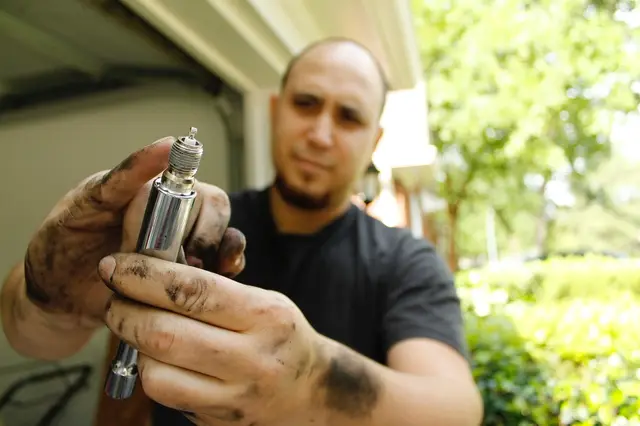
Mobile car tune-up service
Drive to customers' homes and workplaces to change spark plugs, filters and fluids.
- $2.5k-10k
- Side hustle
- Out and about
License plate frame wholesaler
Buy frames in bulk and sell them to auto accessory shops, garages and online resellers.
- $2k-10k
- Side hustle
- From home