Local building materials yard
Run a small yard stocking cement, mortar, sand, gravel and rebar, with counter sales and local delivery.
- $40k-150k
- Full-time
- Own premises
Estimates for a small start in the US, not guarantees.
Official data
3,736 US businesses with employees in this field, +0.4% in a year
NAICS 423320 “Brick, stone, and related construction material merchant wholesalers”. Source: U.S. Census Bureau, County Business Patterns 2023.
What it is
A small yard or unit where builders and homeowners collect cement, mortar, concrete mix, aggregates, rebar and masonry tools, with delivery offered for larger orders.
Your first three steps
- Research local demand and competitors, then talk to contractors about what they struggle to get nearby
- Open trade accounts with several wholesale suppliers and get quotes on bulk bagged goods, aggregates and rebar
- Check zoning for a yard or unit with your city or county, then price a lease and the equipment you would need
Who pays
Local contractors, masons, landscapers, DIY homeowners and small developers who want fast pickup and local service.
How it makes money
Markup on materials sold at the counter, plus delivery fees. Trade accounts with regular customers bring steady repeat orders.
Skills that help
- Stock control and ordering
- Sales and customer service
- Knowledge of building materials
- Managing a small team
Watch out for
- No single industry license is usually required to sell building materials, but check with your city or county about a general business license, zoning approval, a certificate of occupancy and any permits for outdoor storage, plus stormwater and dust rules
- If you deliver with heavy trucks, check federal and state rules on commercial driver's licenses, vehicle registration and weight limits with your state DMV or transport department
- General liability, commercial property and workers' compensation insurance once you hire
- Equipment safety: forklift operators need training under OSHA rules
- Cash tied up in stock, and bags spoil if they get wet or sit too long
- Sales tax registration and resale certificate rules in your state
🔒 Full research report for US
Real cost breakdown with current prices, licences and registration checklist, local competition, pricing, break-even and a 30-day launch plan, with sources.
Coming soonQuestions people ask
How much does it cost to start a building materials yard?
Startup costs are typically around $40,000 to $150,000, depending on your premises, the amount of stock you carry and whether you add delivery vehicles or equipment. This is an estimate, and cash tied up in stock is worth planning for.
How much can a small building materials yard earn?
Monthly revenue is typically around $15,000 to $60,000, depending on your location, product range and how many contractors and homeowners buy from you. This is an estimate of revenue, not profit, and it assumes at least about 40 hours a week.
What rules should I check before opening a supply yard?
Check with your city or county about a general business license, zoning, a certificate of occupancy, outdoor storage permits, and stormwater and dust rules. Also check commercial driver rules for heavy trucks, OSHA forklift training, insurance, and sales tax registration and resale certificates.
Other ways to run this business
Similar trades ideas

Small warehouse tool wholesaler
Rent a small unit, stock tools in volume and supply local contractors, retailers and bulk buyers.
- $40k-150k
- Full-time
- Own premises

Small countertop fabrication and install shop
Run a small workshop that cuts and finishes stone, quartz and solid surface countertops, then installs them.
- $30k-150k
- Full-time
- Own premises

Local garage door trade counter and delivery
Stock doors, springs and openers in a small warehouse and supply local installers and builders with same-day pickup or delivery.
- $40k-150k
- Full-time
- Own premises

Local door and hardware showroom
Open a small showroom and stockroom supplying doors, frames and hardware to local builders and homeowners.
- $40k-150k
- Full-time
- Own premises
Local electrical supply trade counter
Stock a small warehouse with everyday electrical parts so local electricians can pick up what they need fast.
- $40k-150k
- Full-time
- Own premises
Window and glazing supply counter
Run a small unit stocking windows, glass units and hardware for local glaziers and builders.
- $40k-150k
- Full-time
- Own premises
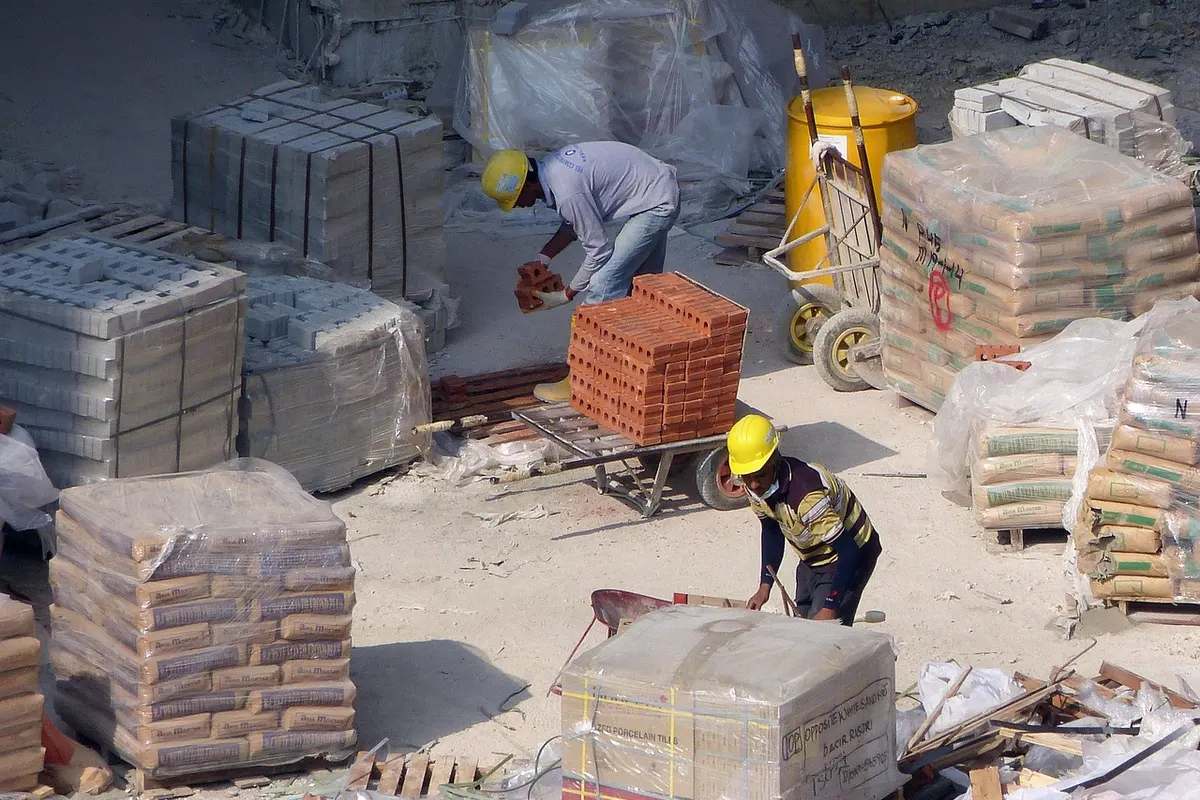
Photo: cegoh on Pixabay